La Forma foto darchivio Serrone
Serrone. La Forma

The village of La Forma is the largest of Serrone and stretches along the Via Prenestina.

Its origins were in early 1700s and are due to the presence of a water source.

Its location along a busy street of communication made it grow rapidly and today it is a commercial area.

Located at an altitude of 420 meters, here are cultivated the vines and the olive trees from which we get the famous wine Cesanese del Piglio DOCG and the oil Rosciola.
 

powered by social2s
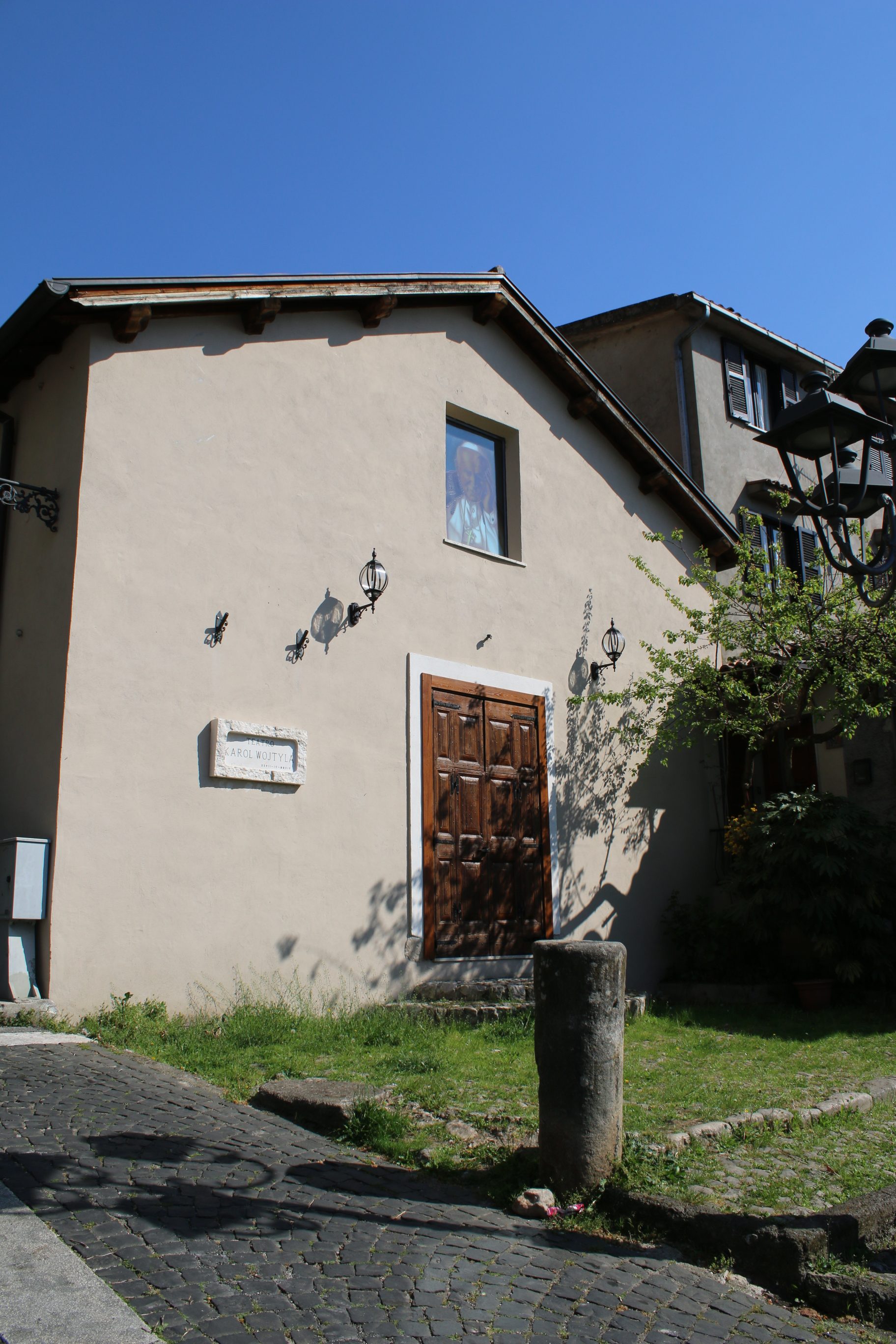
Serrone. Theatre

In Serrone, after the construction of the new church of La Forma in 1957, the old church has been used as a theatre.

it has a capacity of about 90 seats, that is operated and owned by the Parish of the Sacred Heart.

powered by social2s
Paliano Strada del Vino cesanese
Serrone. Cesanese Wine Route

Serrone is part of the Cesanese del Piglio DOCG wine area and is crossed by the Cesanese Wine Route.

The association was created to promote wine tourism and to raise awareness of the particularities of this enchanting land.

The cultivation is widespread and has long been in virtually every family who then sold in bulk to local towns, while today there are Cellars which bottle fine wine.

Along the road are the Cesanese Wineries where you can sip the famous wine and taste some typical products of this territory.
 

powered by social2s

Like many municipalities in Lazio, in Serrone are the remains of ancient cyclopean or polygonal walls.

Their name is derived from the size of the stones and how these fit together perfectly.

They are traced back to the Ernici people who constructed them, but legend has it that all the towns of southern Lazio who have these walls were founded by the greek god Saturn.

The stretch of the polygonal walls is located in the village of San Quirico.

powered by social2s
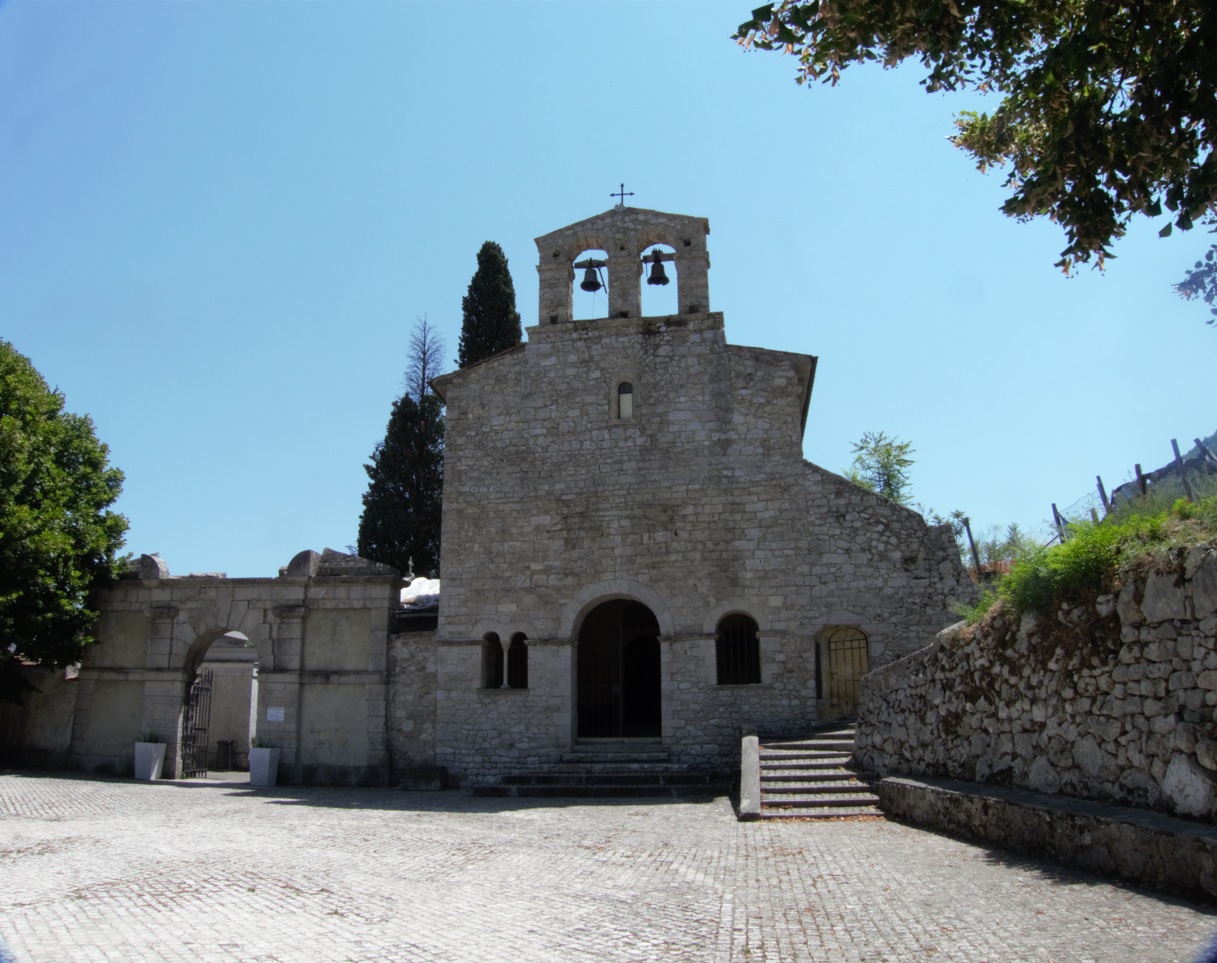
Abbey of Santa Maria in Viano

The Abbey of Santa Maria in Viano near the cemetery of Sgurgola dates back to the eleventh century and was part of a Cistercian monastery.

The ruins of the monastery can be seen by visiting the cemetery where also were found ossuaries of the monastery.

The church has a rectangular plan and is characterized by two areas: a vestibule or porch and a frescoed internal room.

In the lunette of the main door of the church is a restored medieval fresco in the Byzantine style representing Christ with a hand raised in blessing and the other holding a book.

The facade is made of stone and is asymmetric, with a mullioned window on the left and a single lancet window on the right, and ends with a bell tower with two bells.

In this monastery women were hosted from important families like Maria, the sister of Rinaldo of Supino, wife of Francesco Caetani, a great-nephew of Pope Boniface VIII, who was elected Cardinal.

Maria would eventually become Santa Maria in Cosmedin.

Mary gave two sons to her husband, and then she entered the convent when he was appointed cardinal.

powered by social2s
Sgurgola. Church of Santa Maria Assunta

The Church of Santa Maria Assunta in Sgurgola is eighteenth-century, and the facade was rebuilt in 1966 in brick, and fortunately later renovated with a plaster render.

The three bronze doors of the church were executed by the sculptor Pietro Gismondi from Anagni (1906-2003).

Inside you can admire a beautiful painted ceiling and a peaceful environment against the bustle through the square.

powered by social2s
Sgurgola. Church of St John the Baptist

The Church of St John the Baptist (chiesa di San Giovanni Battista) in Sgurgola was built in a semi-Gothic style.

It was then remodeled in the eighteenth century according to the Baroque style.

The church is located in Via Fontanella in the lower part of the town and can be reached directly from the street or from the main square through characteristic alleys and stairways.

powered by social2s

Recommended

Subscribe to Newsletter

Discover a territory through the emotions of the people that have lived it.