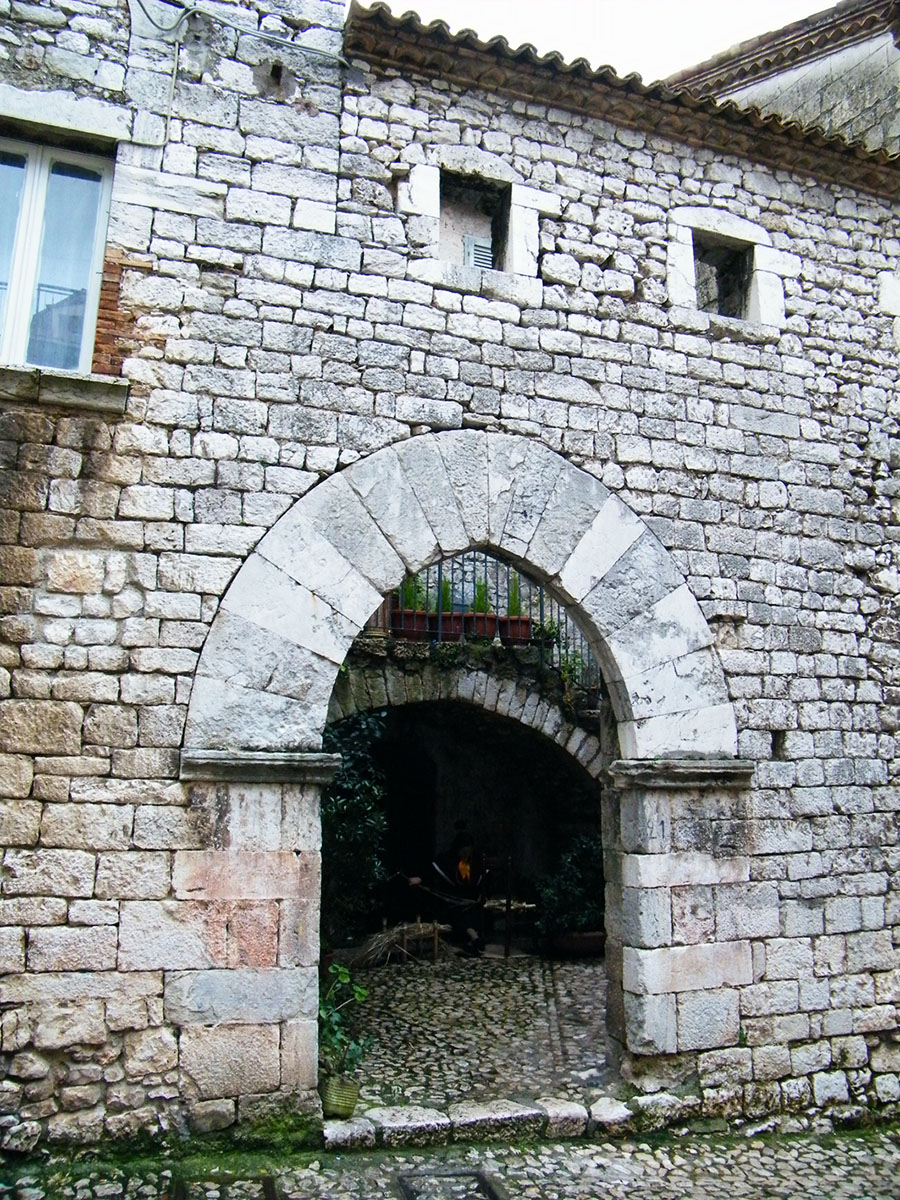
The Museum of Territory in Santa Marinella tells the relationship between man and the territory understood as an agricultural and mining landscape.

For many years, the Santo Spirito Hospital that managed all this territory had benefited from mining operations (we are not far from the Tolfa Mountains rich in alum deposits). As regards the agricultural exploitation of the land, then, we must remember that many areas were still swamps and that agriculture had to make these villages self-sufficient.

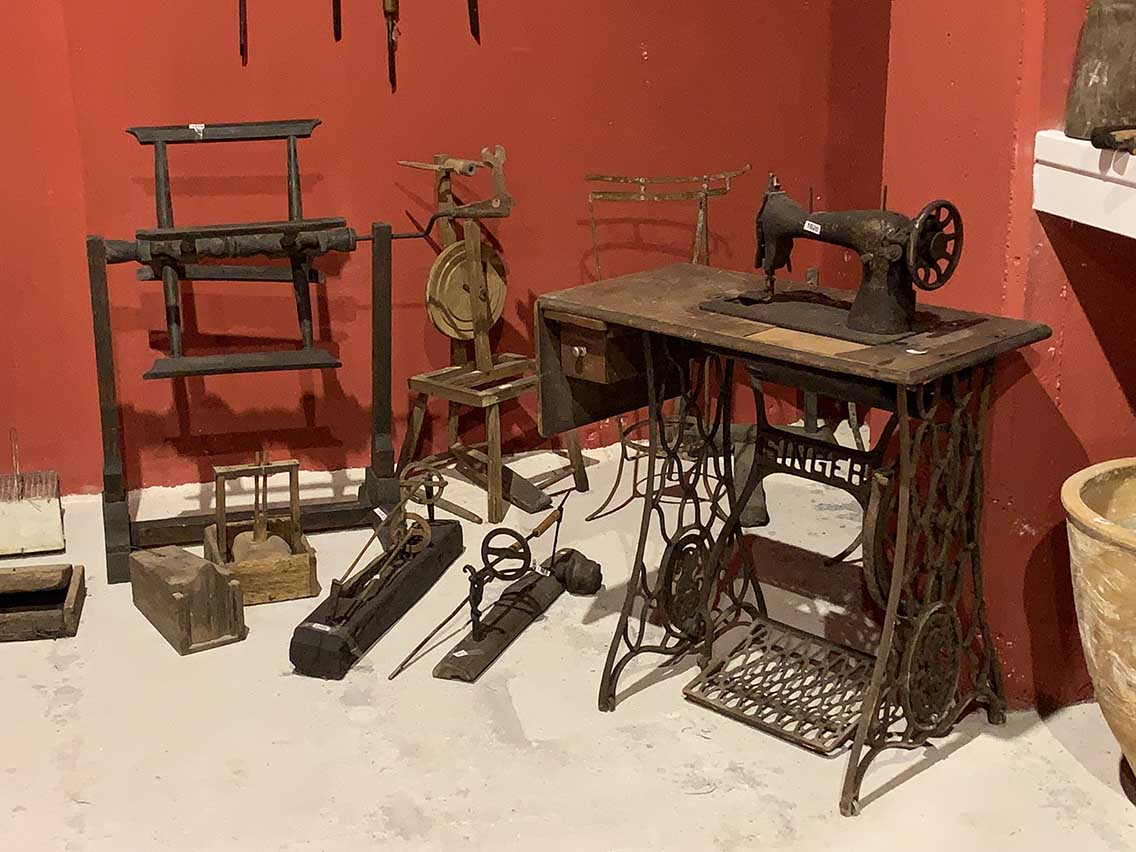
In the museum, therefore, geological peculiarities are represented and agricultural tools used during the last centuries are highlighted.

The museum is located inside the Castle of Santa Severa and includes both internal rooms and external areas, such as the barozze or calessi square, where you can admire some agricultural vehicles and milling machines that make up a fountain.
powered by social2s
Cellino San Marco. Agrifani Museum of Salento Civilization

[metaslider id="100259"]
The Museum of Salento Civilization in Cellino San Marco has a large collection of over 5000 pieces with agricultural equipment and tools of the past used until the mid-twentieth century. The exhibition winds along the corridors creating thematic spaces where you can find the artisanal laboratories of shoemakers, farriers, iron workers, umbrella fabricaters, sharpeners and others.

All of the domestic life was then reconstructed inside the houses with kitchen equipment, spinning mills and home weavers.
A large section is dedicated to agriculture and field work, with an incredible collection of ploughs and harnesses used for horses and donkeys. The Salento area could not go without the grape harvest and wine production area, while a special section is dedicated to the wonderful Sicilian carts.

The collection was started by the Agrifani family, collectors for three generations starting from Mario born in 1905 up to Marcello, agronomist and head of the Forestry Corps of Brindisi who toured all the countryside collecting the abandoned tools.

The museum is located inside the Due Palme winery

powered by social2s

The church of St Francis was built from 1575 on a pre-existing structure from the Roman era in Frascati.

The facade of the church is in Renaissance style with very simple lines and is inserted in a convent of the Capuchin fathers with an internal cloister.

The building rests on a roof garden and the simplicity of the architecture is compared with the splendid panorama.

In 1909 the Ethiopian museum was opened inside it in honor of Cardinal Guglielmo Massaia, a missionary who was very active in the treatment of smallpox so much so that he was called the nickname "Padre del Fantatà", Lord of Smallpox.

Inside, the church has a single central nave overlooked by chapels adorned with paintings and canvases including one by Giulio Romano and one by Pomarancio.

powered by social2s
Torri in Sabina. Permanent Exhibition Arts and Crafts and Peasant Civilization

In March, the town of Torri in Sabina opens to the public the rooms of its "Permanent Exhibition of Arts and Crafts and Rural Civilization" set up at the Vecchio Frantoio.

More than 600 pieces are exhibited that trace in their organization a journey into the past and into the old Sabina peasant traditions.

Machines, agricultural tools and various objects in perfect conditions that transmit to the visitor the everyday life of the past.

powered by social2s

The Museum of Peasant Life is located in the basement of Palazzo Sforza in Proceno.

the musum collects material used in traditional work by peasants of the past.

You can see old tools and wagons used in the past to transport goods and pulled by animals.

powered by social2s
Permanent Exhibition of Ciociara Civilization

The Permanent Exhibition of Ciociara Civilization is located in the Sala degli Armigeri inside Palazzo Quinones in Veroli.

The palace was the residence of Cardinal Francisco Quinones who was governor of Veroli in the sixteenth century.

The exhibited objects date back to the early 1900s and give a glimpse of the life of the people in Ciociaria.

From the classic wrought iron bed with the crochet blanket, the frame with which the typical 'cialoni' rugs were made up to the pots in copper and a series of photographs of the era.

powered by social2s

Subscribe to Newsletter

Discover a territory through the emotions of the people that have lived it.