Piglio


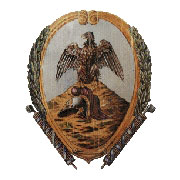
Coat of arms of Piglio

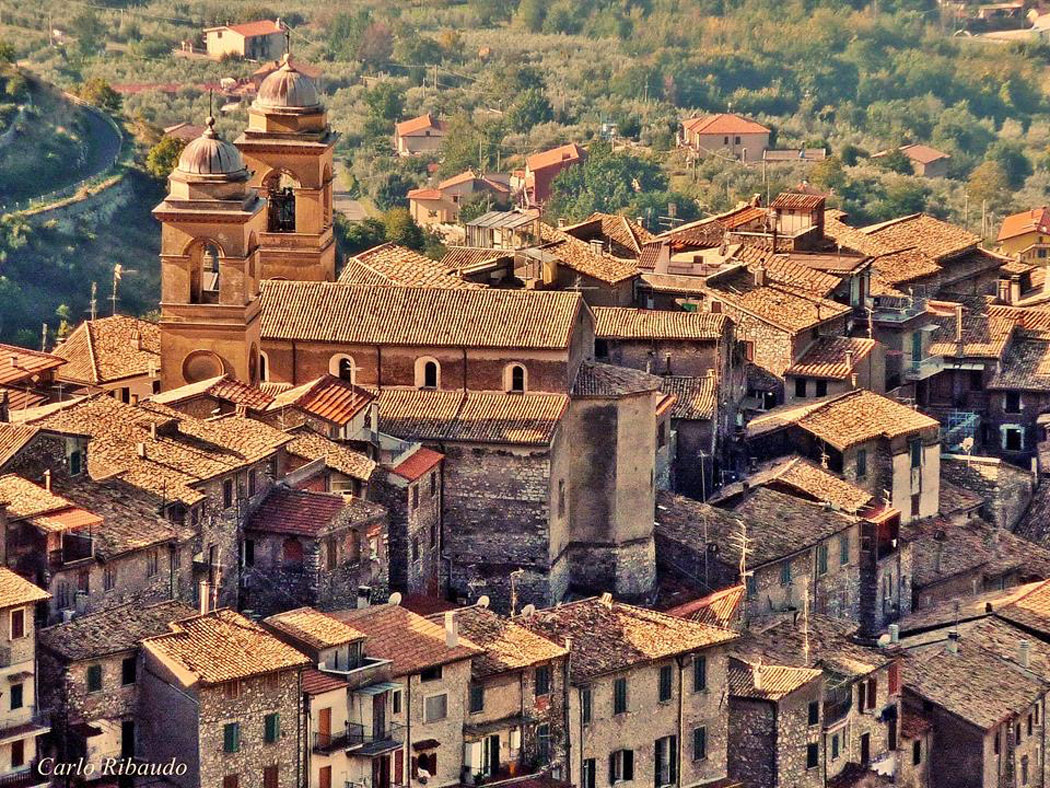
Piglio is located in a panoramic position on a spur of Mount Scalambra on the old Roman road across the Appennines. Its origins date back to Ernici of which there are few remains, but many legends.

In the second century BC, the territory was conquered by the Romans who established many houses in the lower part of the valley, where the Second Punic War, the fierce battle between the Romans and Hannibal's army, was fought.

After the fall of the Roman Empire, the population sought refuge in a castrum on a spur of the mountain. The Pileum Castrum name appears officially in 1088 in a bull of Pope Urban II and according to legend, the name comes from Pileum, the Roman helmet that would fall due to a strong wind from the commander Quintus Fabius Maximus the ‘Cunctator’ (or procrastinator) as he passed in the territory.

The history of Piglio is connected with that of Frederick II of Swabia, thanks to one of his illegitimate sons, Conrad of Antioch, who ruled the town.

In Piglio centuries passed under the control of the Caetani, of Conrad of Antioch, the Colonna, the Orsini, Borgia and finally back to the Colonna.

In 1656 the population was decimated by the plague, which, according to legend, was arrested by the miraculous image of the "Madonna of the Roses". The anniversary is still celebrated today every year on October 30th.

The town was destroyed twice: it was burned down by French soldiers of Napoleon's army and bombed by the Allies during World War II.

The town center retains its herringbone structure and the houses, built on a steep slope on the edges of the hill had defensive functions, in the absence of boundary walls.



powered by social2s

Typical products 

It is a delicate liqueur made with rosehips harvested in the fall. It is served with a meal, especially during the Christmas holidays, or diluted with...

Panpepato (Pappery bread) is one of the traditional products of the Christmas period, with ancient origins. It is a compound of different types of nuts,...
Typical Dishes 

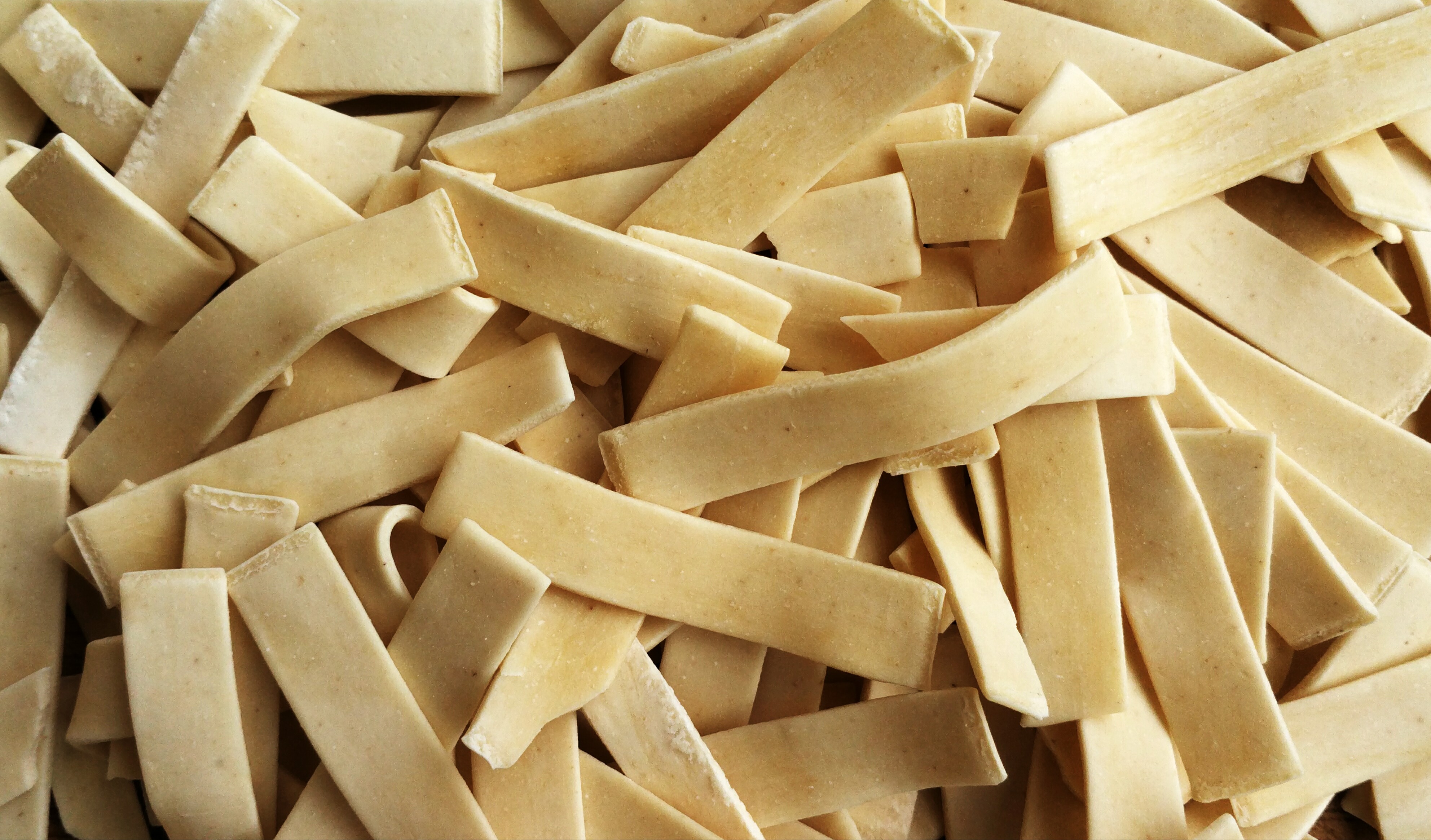
‘Sagnaccie’ with beans and chickpeas is a typical local dish of Piglio and of the Ciociaria region.  Pasta soups with legumes have been the basis of people's...

Archeotourism 

In Fontana di Grano di Piglio, among vineyards and olive groves, was found a villa "Patrizia" of the Roman era, dating from I-II century BC. Part of the...
Festivals 

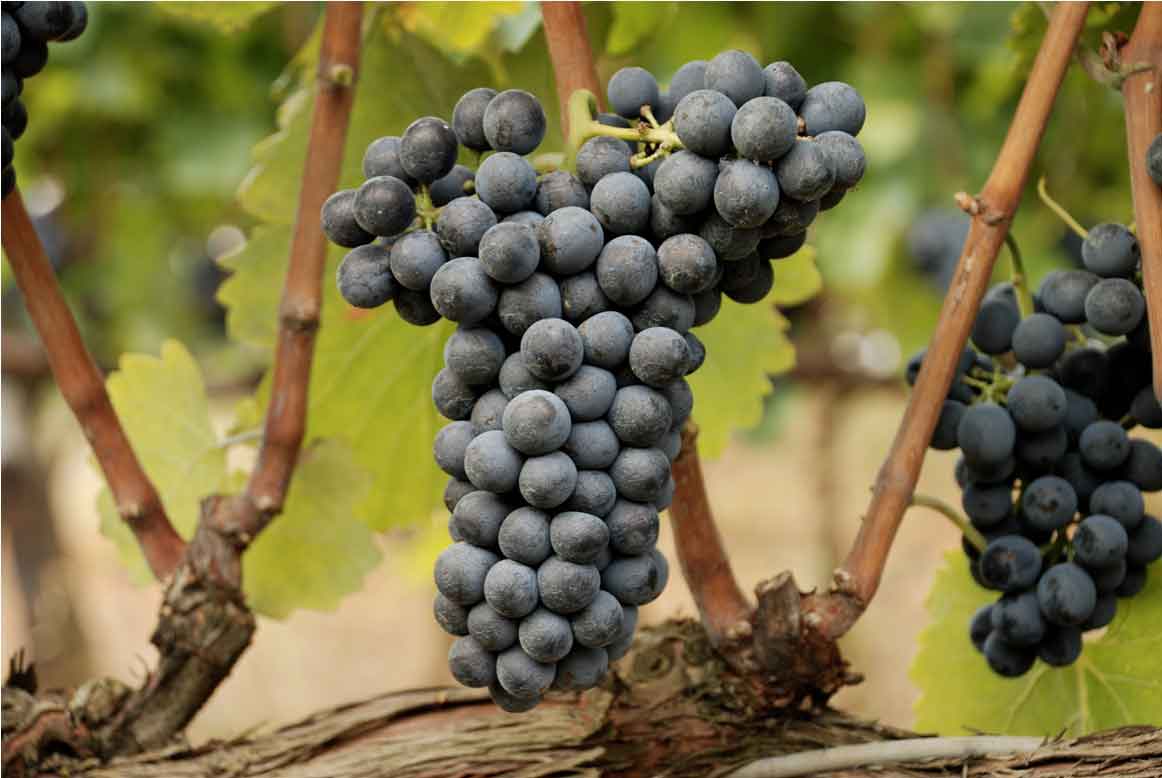
The Grape Festival Cesanese is the most important festival in Piglio, the heart of the production of the famous Cesanese del Piglio DOCG, the only red wine to...

The tradition of St Martin in Piglio has been celebrated for years, at the beginning at the Massimi palace in the center of the town and in recent years at...
Celebrations 

  Every year in Piglio, on the day dedicated to San Martino, the Massimi Berucci family organizes a tasting event of the new wine.  Novelli e Vergini...

The Mountain Festival takes place in September in the centre of the town of Piglio. The event includes sports, folklore, gastronomy and shows to enhance the...
Religious Celebrations 

The feast of San Lorenzo is celebrated on August 10 in Piglio. A very nice and do not miss the fireworks. The night before a nocturnal procession is held...
Countryside Experiences 

The territory of Piglio is littered with caves which are of great importance for their beauty and for the presence of stalagmites and stalactites. Among the,...

Churches & Places of Worship 

Saint Lucia is a recent era church in Piglio with a single nave and a very simple interior. It was restored in 1957 and is dedicated to the Virgin of...

The church and convent of St John are located in the countryside of Piglio, on the side of the new cemetery, and are governed by the Minor Friars. The...
Architecture and monuments 

The Lower castle, the "Palatium inferius" is the best preserved and is on the north side of the town of Piglio. Currently it spreads over two floors, ground...

After a period of closure, Casa Massimi has been reopened to the public in Piglio.  The ancient and historic house of Massimi – Berucci  has always been at...

Lifestyle 

Who would not want to have a connection with the great Frederick II of Swabia, the man who changed the course of history in Italy? Piglio has its link through...
Art & Architecture 

Have you ever viewed one of the houses of Pompeii or shops of ancient Rome or Greece? They were all frescoed and colourful, as were the statues. The tomb of...
Meet Special People 

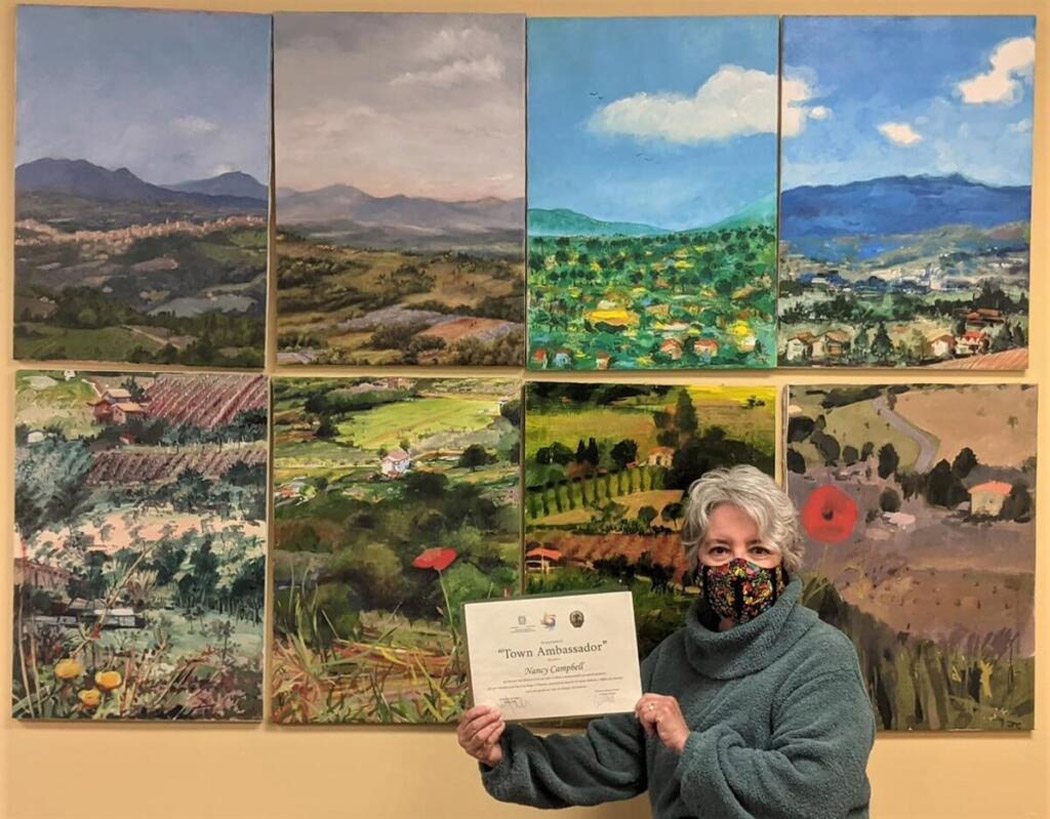
Town Ambassador Award to Nancy Campbell for her love for Piglio and Ciociaria and everything she created after discovering her Italian roots. There have been...

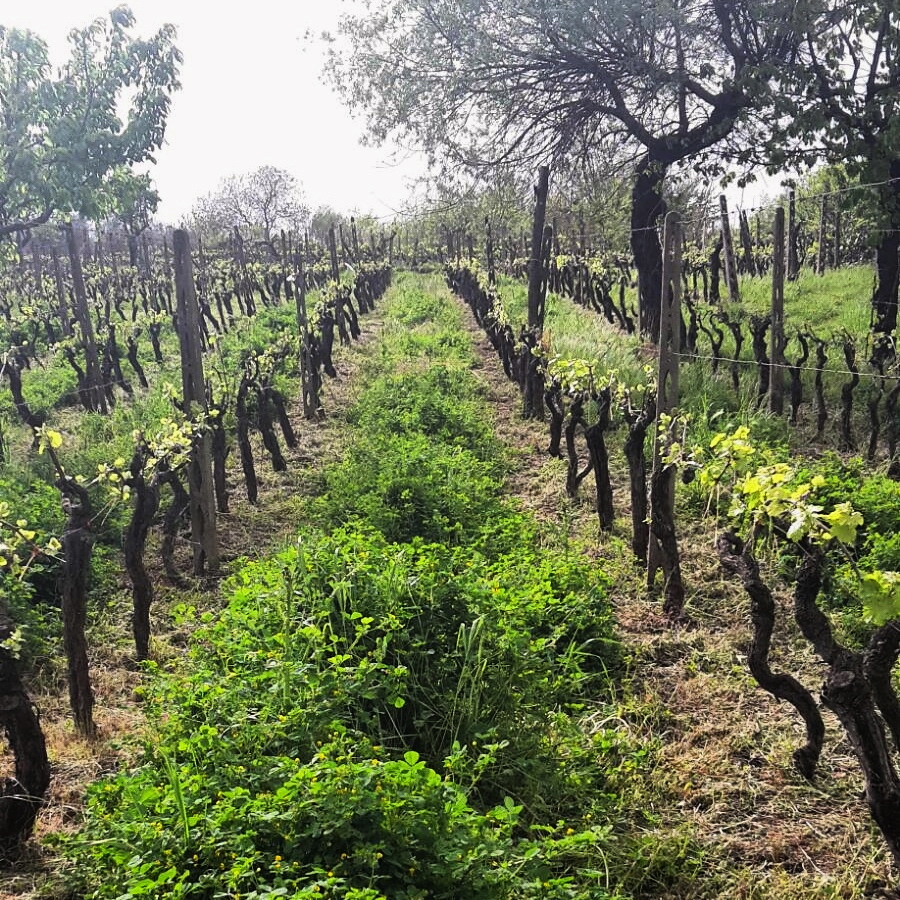
Piglio is famous for its Cesanese DOCG red wine and now also its fame will grow due to the particular way in which some winemakers are taking care of their...
Food & Wine 

Arringo is like the ancient internal square of Castello di Piglio. In the Middle Ages it was accessed via a stone staircase, which descended steeply from the...
Special Places 

Piglio and its surrounds were subject of much attention by the factions engaged in destruction during the second world war. As with many other places of...

A church packed with votive offerings, two processions every year, a brotherhood, a family that cares for the statue of the Madonna and the competition to...
Tourism Pills by Claudia Bettiol 

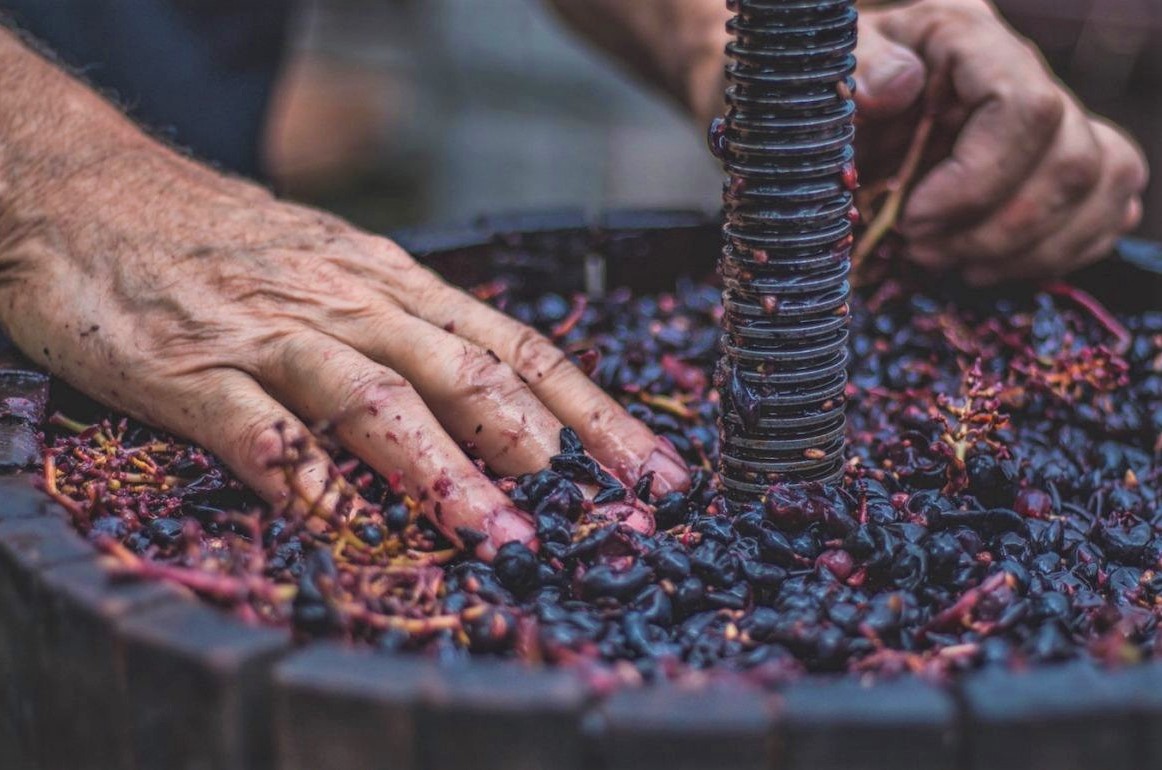
There is an absolute modernity in the concept of 'community winery' that can be fully perceived when one visits one of these cellars managed with the love and...
Blog 

The collaboration of Discoverplaces with the research centre of the University of Tor Vergata powers on and we continue to share typically Italian experiences...

On Wednesday December 19th  at 6.00 pm in the Cantina Sociale of Piglio, 15 producers from Cesanese set up tasting tables to introduce their wine, the...
Town Ambassador
Discover your italian Roots


Subscribe to Newsletter

Discover a territory through the emotions of the people that have lived it.