Priverno. The 'Bazzoffia' Soup

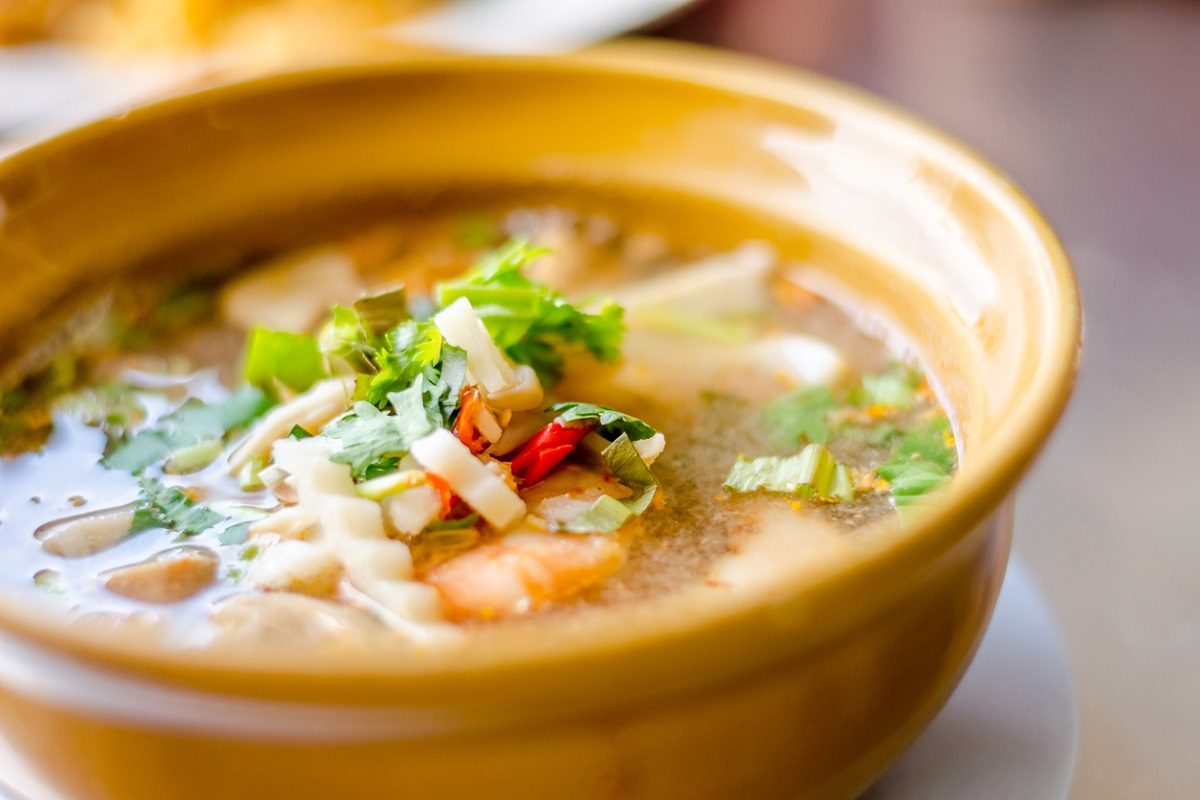
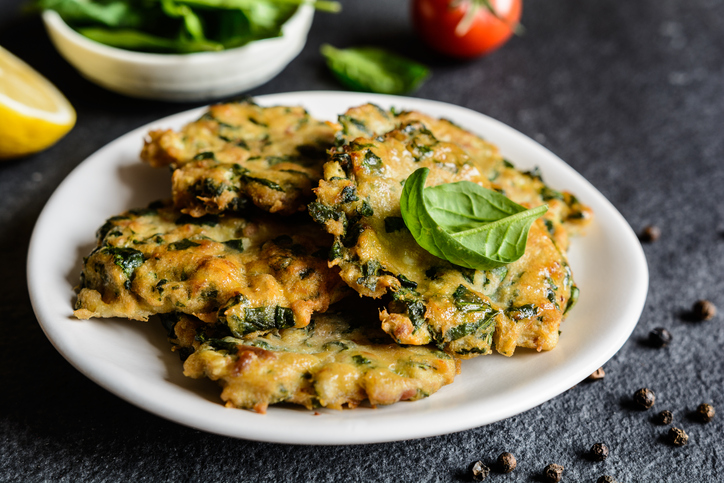
The Bazzoffia of Priverno is a soup of stale bread and seasonal vegetables which is part of the rural tradition.

This dish is prepared especially in the spring with fresh seasonal vegetables such as artichokes, beans, peas, chard, lettuce and onion.

The vegetables are cooked with olive oil, and the dish is enriched with eggs and grated pecorino.

powered by social2s
Priverno. The Falia Bread

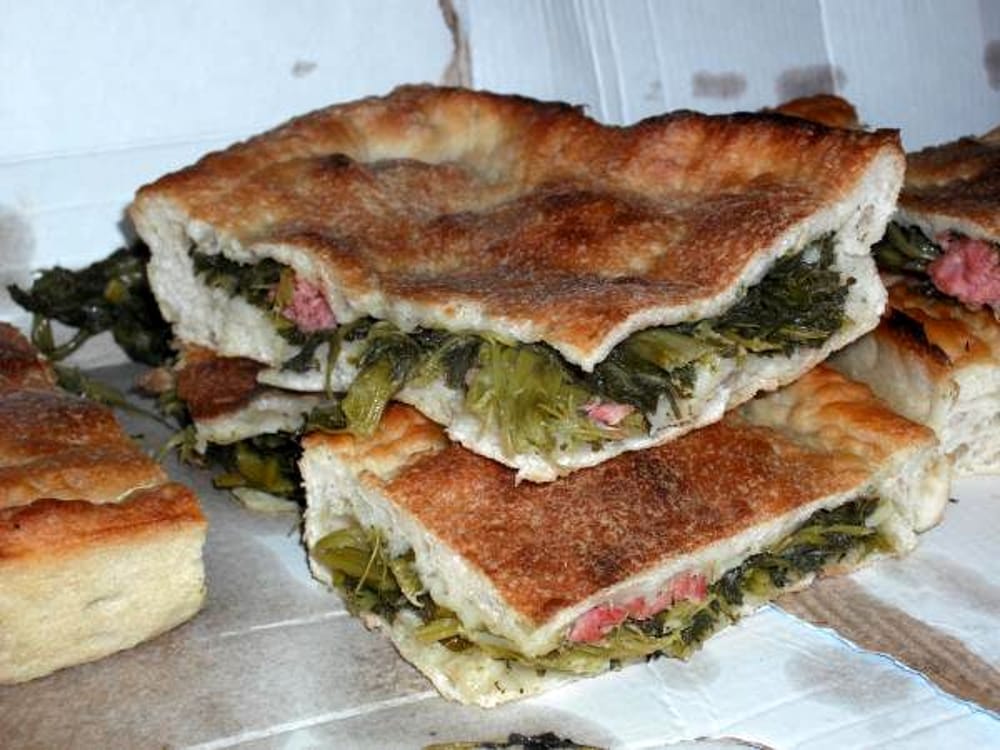
The 'Falia' of Priverno is a particular type of local bread that can be considered a cross between bread and pizza with a little salt.

It is to be enjoyed especially with broccoli and local sausages.

Every year the city of Priverno dedicates a Festival to Falia with Broccoletti (Sagra della Falia e Broccoletti).

powered by social2s
Priverno. Artichokes

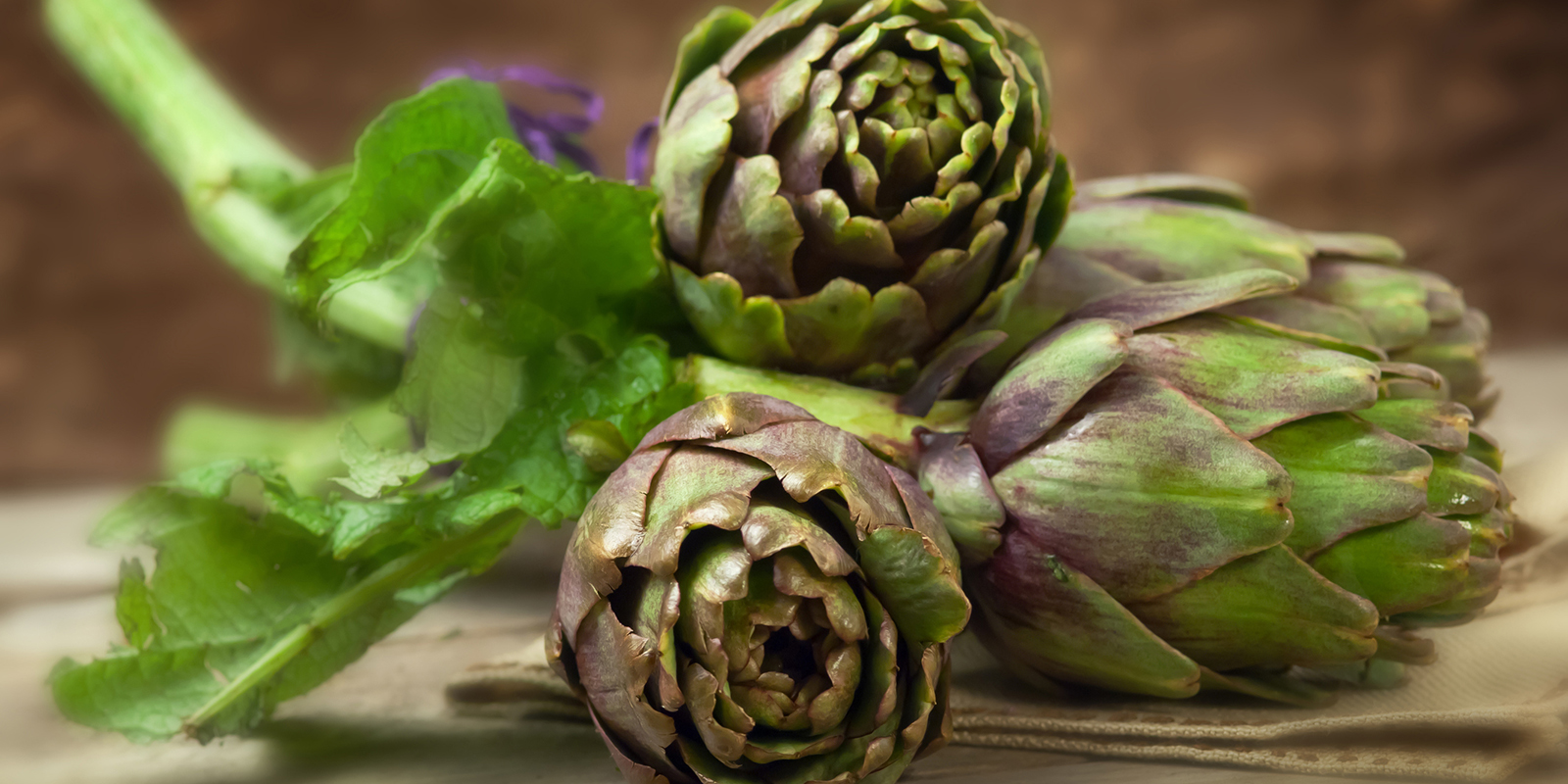
The artichokes area of cultivation in Priverno is widespread in the 'Roman Artichoke varieties of Sezze IGP'.

The Romanesco Artichoke is particularly large and reaches a size of about 10 cm in diameter, has a characteristic rounded shape and has no thorns or fluff. Its flavor is intense with sweet notes and has high nutritional properties.

Artichokes are plants rich in sodium, potassium, phosphorus, calcium and vitamins C, K and B.

Artichokes are traditionally cooked 'in the Jewish style' or preserved in oil.

powered by social2s
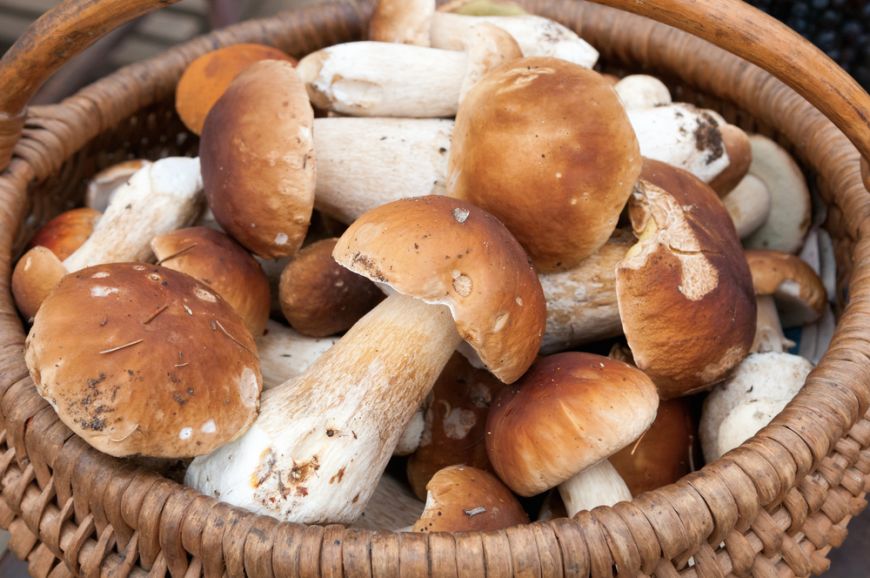
Porcini Mushrooms of Bellegra

Bellegra forests are rich in mushrooms of various species.

The peculiarity of the composition of the soil and the type of woods makes these mushrooms especially tasty and of particular renown is the 'porcini'.

The mushrooms are so well regarded that they are celebrated in a festival during October, the main month of collection.
 

powered by social2s
bellegra- tacchie ai funghi porcini

The Tacchie are a handmade pasta typical of Bellegra.

Pasta is madefrom water, flour and eggs that are "mixed together", stretched out on a wooden board and finally cut by hand in the classical shape of irregular rectangles.

They are eaten served with different sauces but the classic Bellegrana dish combines the tacchie with the famous and tasty porcini mushrooms from the Bellegra woods.

Every year, the city of Bellegra organises a festival dedicated to this pasta, the well known Sagra delle Tacchie ai Funghi Porcini. 

powered by social2s
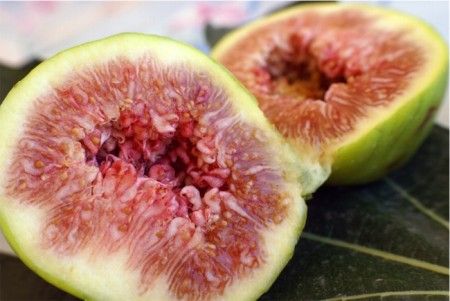
Fellacciano Fico di Bellegra

The fig is probably the first tree cultivated by man and its origins come from Asia Minor. The Greeks and the Romans have since spread it throughout the Mediterranean basin.

In Bellegra, for centuries, the fig has had great importance because it was produced locally and used for trade with the neighbouring populations until the middle of 20th century.

From the 40s-50s of the twentieth century, marketing began of the fresh fruit from the fig tree variety called 'fallacciano'. In the '70s the first Fallacciano Festival was born.

The tree is medium in size and can reach 8-10 meters in height. The Fallacciano plant (Ficus Carica Sativa) is a female plant and the wild fig (Ficus carica caprificus) is the male. Fertilization of the fig trees is performed by a wasp called 'blastophaga psenes' – a co-evolutionary process that is maybe 80 million years old.

The fruits of Fallacciano Fig Tree of Bellegra are of two types: the 'fioroni', called fallacciani, are produced on the branches at two years age while the 'forniti' are produced on the branches growing in that year.

The maturation of the fruit lasts about three weeks from the second ten days of July. The forniti are smaller and are intended for feeding pigs.

powered by social2s
Rocca Priora preparazione Scottone
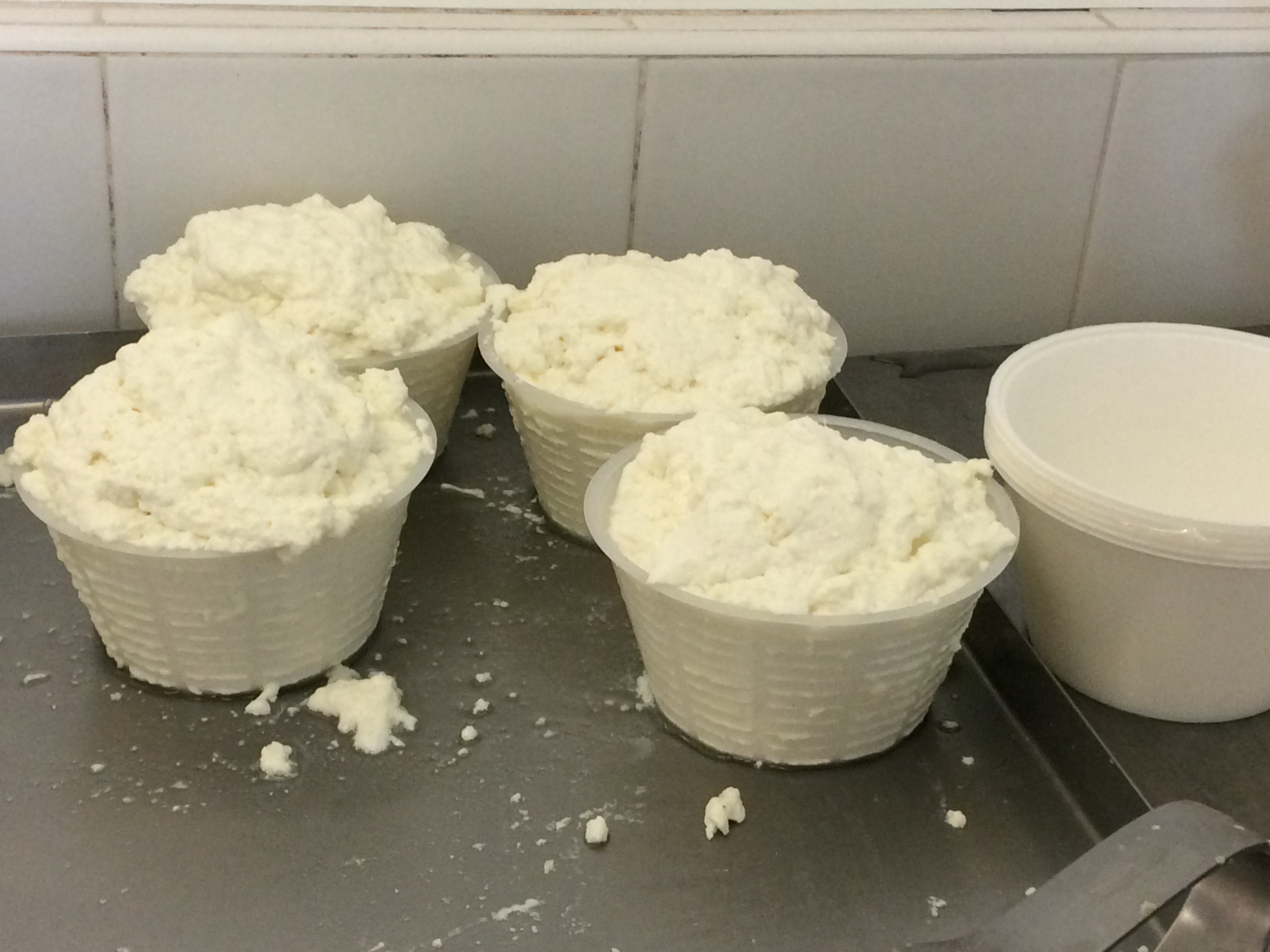
Rocca Priora. Scottone Cheese

The 'Scottone' Cheese of Rocca Priora is a semi-liquid cheese-curd and its name comes from the fact that is served hot.

It is made by boiling the milk twice. Normally it is enjoying in earthenware bowls that, according to tradition, improve the taste.

Every year the city of Rocca Priora celebrate the Scottone Cheese with a festival (Sagra dello Scottone).

powered by social2s

Subscribe to Newsletter

Discover a territory through the emotions of the people that have lived it.