


Finally, the province (where I have happily chosen to live forever) is coming back, with ever-growing interest from international investors and local institutions.
While recent news has revealed the incredible number of small investors purchasing properties in historic centers like Veroli and Arpino, as well as businesses in our Ciociaria villages (see the report ), the Center for the Development of Rural Areas and Agriculture has been launched in Frosinone.
It all started with an idea by UNICAS, which, due to its history, is deeply rooted in the region, and with the collaboration between the university and the Lazio region.
As we've previously reported , during its years of crisis, UNICAS strengthened its mission as a local university by actively collaborating with businesses and local governments in southern Lazio and neighboring regions. It performed this task so well that many young graduates have remained in their hometowns and actively contribute to their growth and, therefore, to the region's development.
And perhaps this is also why Ciociaria is experiencing a magical moment of strong tourist attraction and the emergence of so many small agricultural businesses and wineries, including our own Donna Vittori Borgo Agricolo (www.donnavittori.com).
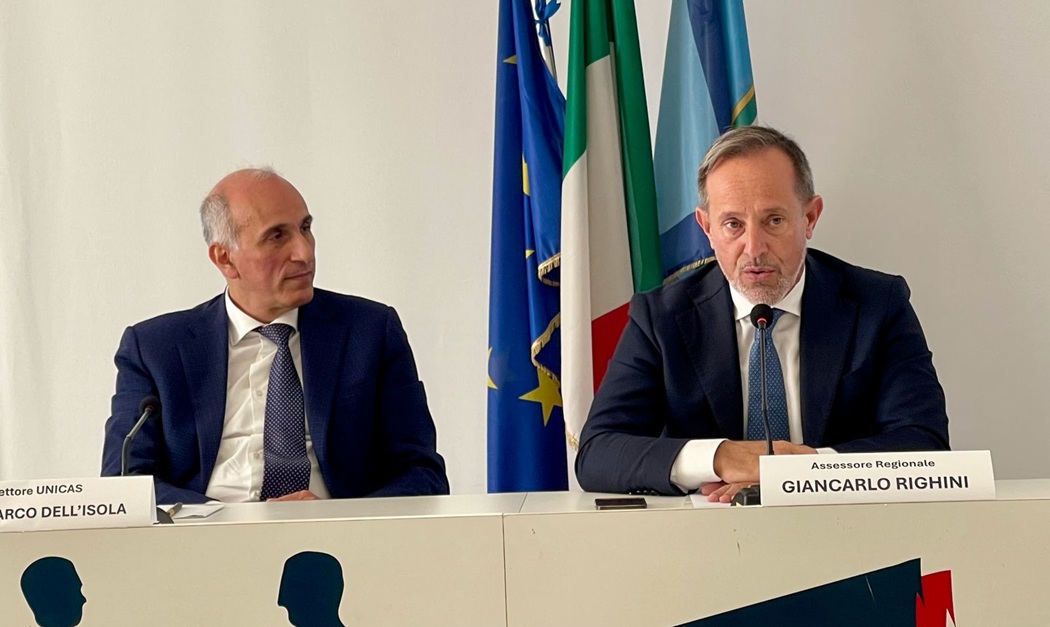
We are particularly pleased to have made our small contribution: in fact, the first official meeting between Rector Marco Dell'Isola and Regional Councilor Giancarlo Righini took place during the conference on Wheat and Pasta Tourism in Frosinone , where the location for the center was identified within some unused premises of the ADA – Decentralized Agriculture Area of the Lazio Region.
After a few bureaucratic complexities to overcome (and this I would call the mysterious charm of Italy), finally last week the agreement was signed between the Lazio Region and UNICAS, with immediate funding for the work by the university, which hopes to begin in the next academic year.
"The Center will be a center for research, training, culture, and innovation dedicated to enhancing rural areas and strengthening the agricultural sector," explained Rector Marco dell'Isola, "with a strong focus on innovation and technology transfer to businesses to foster regional growth."
The decentralization of certain regional activities, strongly advocated by Councilor for Agriculture and Budget Giancarlo Righini, "is one of the pillars for supporting and simplifying the lives of farmers, who, more than ever, have become one of the driving forces of the regional economy.
And not only because they export their produce or because of their fundamental role in protecting the beauty of the landscape, but also (and perhaps above all) they are the main attraction for tourism in smaller areas."
This is described in Roberta Garibaldi's report on food and wine tourism, but we can also confirm it from our own firsthand experience as a small agricultural business in a district of Paliano. After our establishment, we saw a myriad of Chinese, Swedish, American, and Korean tourists strolling through our countryside, enjoying an aperitif in the square, and asking the price of nearby homes.
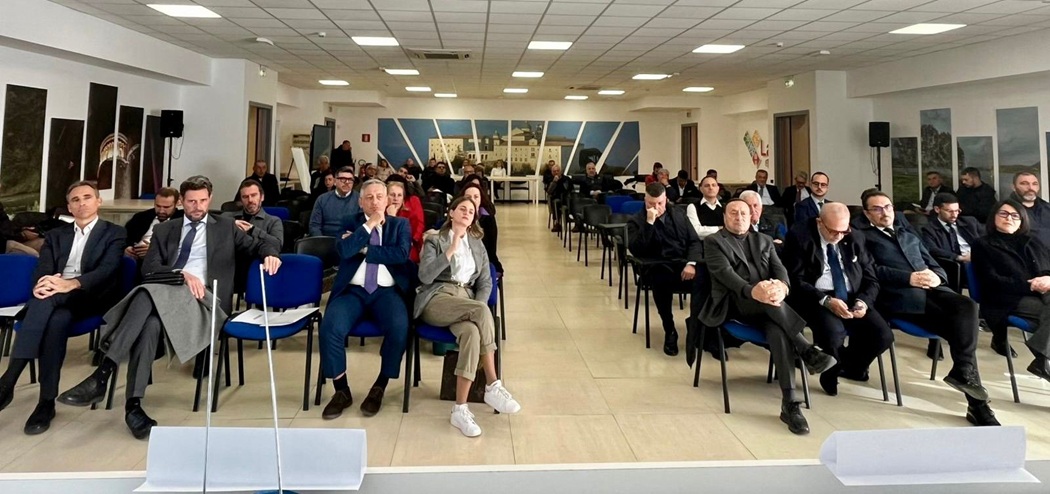
The ceremony was also attended by the mayor of Frosinone, Riccardo Mastrangeli, who has always been a staunch supporter and promoter of the UNICAS branch in Frosinone, which is growing above the national average in terms of student numbers, and by regional councilor Daniele Maura, whose tenacity has made this success possible.
We can't wait to share more success stories from our Ciociaria (and our company)!




Follow us