


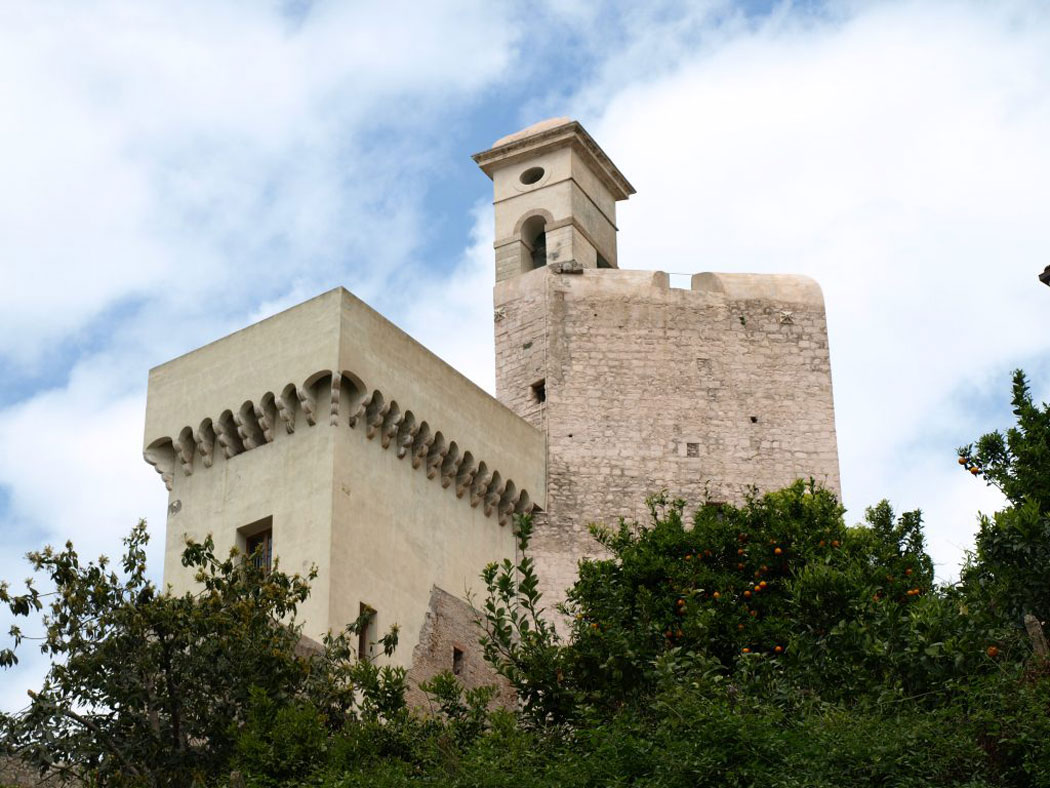

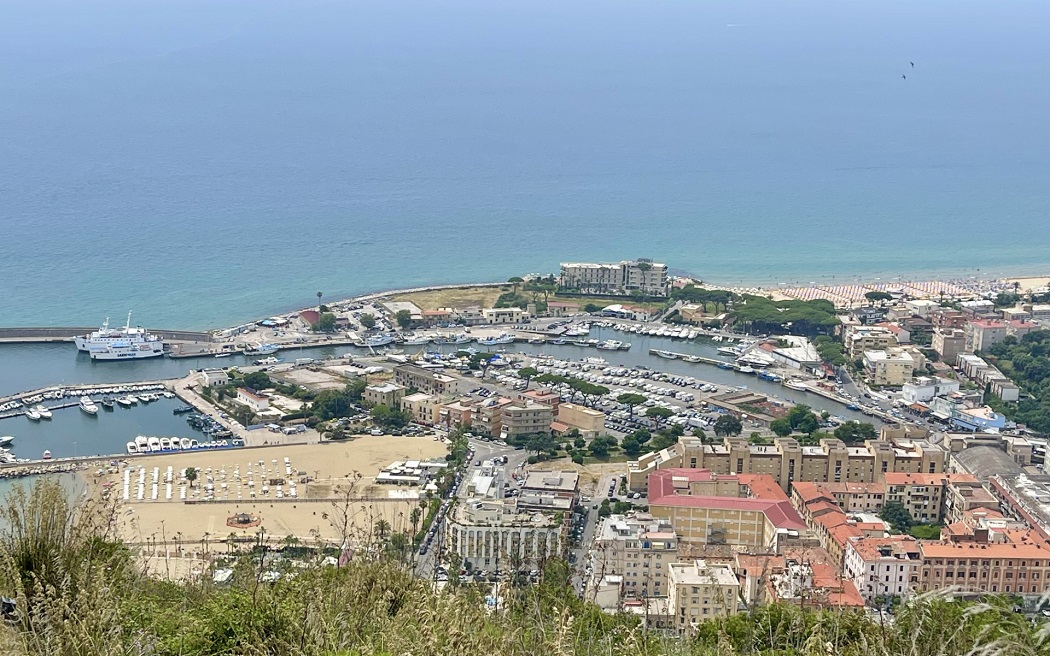
Terracina is one of the most important towns on the southern coast of Lazio and is located in a strategic position at the end of the Pontine plain, where Mount St Angel, which is part of the Aurunci Regional Park, reaches the sea.
On the other side of the mountain opens the Fondi plain with its microclimate that allows the cultivation of oranges.
The history of Terracina has its roots in time (in nearby San Felice Circeo, remains of a prehistoric man have been found) so much so that it has two names: Terracina from the Etruscan and Anxur from the Volscian people.
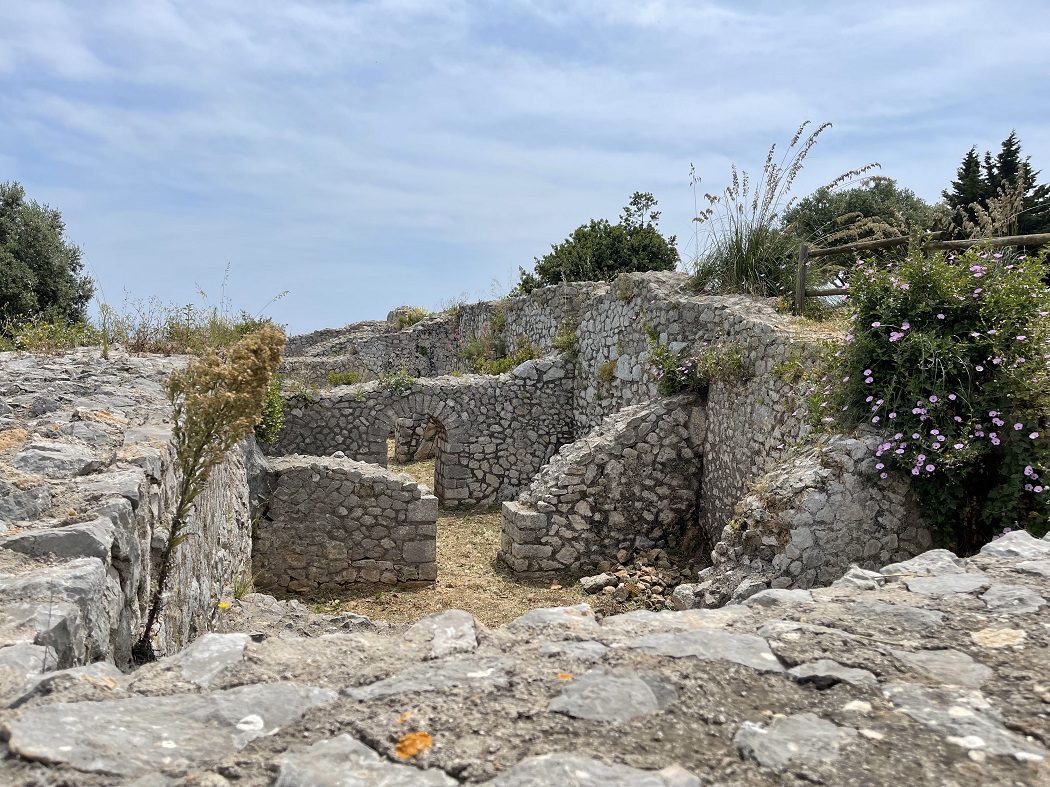
According to mythology, in the area of the acropolis above Mount St Angel - Monte Sant’Angelo where the famous Temple of Jupiter Anxur is located, the sorceress Circe lived and this is the place where Ulysses climbed and from where he saw the island of Aeaea.
The history of Terracina has always been linked to the port, even if the ancient city was born on a hill located behind the port and in a protected position. According to other legends, the city was founded by refugees from the city of Sparta.
The known history begins with the 7 kings of Rome and is mentioned in events related to Tarquinius Superbus, while Terracina is also mentioned in the first war against Carthage.
The fortified city was often disputed between the Romans and the Volscians until the Romans occupied all southern Lazio and built the Appian Way in 312 BC, the route of which can be admired in the historic center of Terracina.
The construction of the theater and the start of the Emilian Forum, which are now in the main square of the historic center, are also due to the leader Silla. A curiosity: the ancient Roman theater had been completely submerged by medieval buildings and has only recently been restored to its original splendor.
Imperial Rome loved this area so much that the emperor Trajan built his own villa just south of Terracina along the Flacca Road that connects it to Gaeta. Trajan is also responsible for cutting a spur of the mountain and enlarging the port.
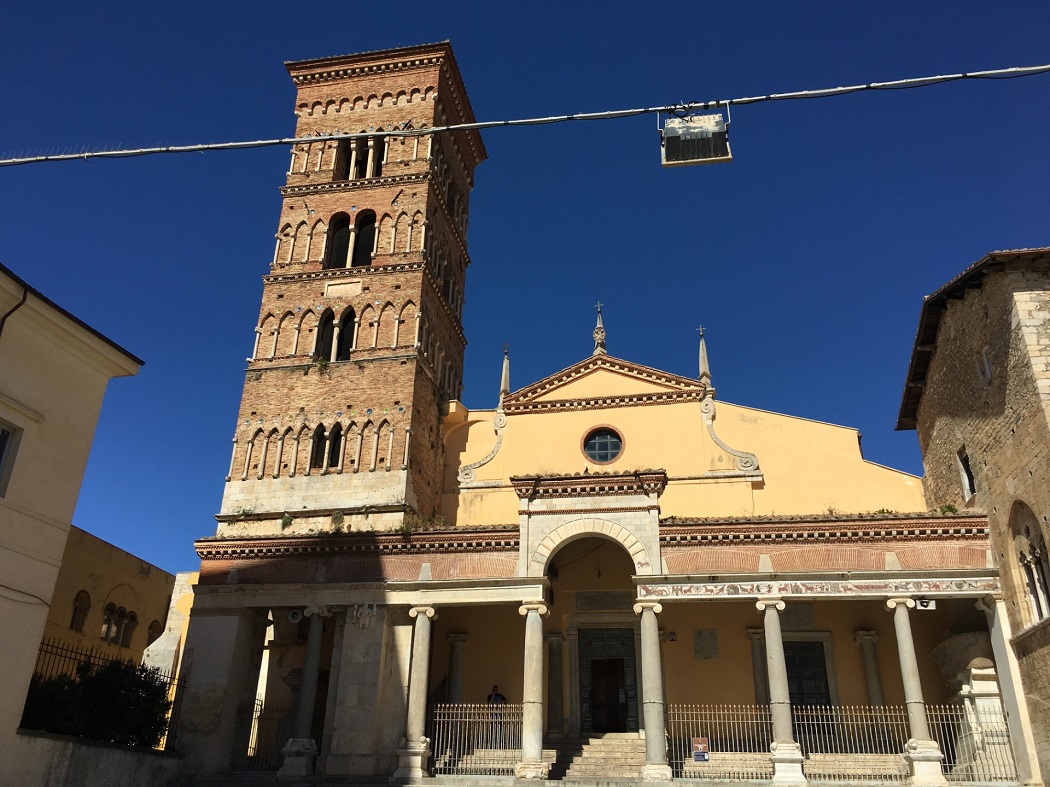
Terracina is also linked to the history of the martyrdom of St Cesareo to whom the Byzantine cathedral built on a previous Roman temple is dedicated.
Throughout the Middle Ages, Terracina maintained its strategic importance linked to the port and the Appia Road and was long disputed between the Papal State and the Lombards of the Duchy of Benevento, who even managed to sack it.
In the meantime, the marshes covered the Pontine plain and the road connecting northern and southern Italy moved along the foothills of the Lepini Mountains, continuing to pass through the historic center of Terracina. After the year 1000, Terracina definitively entered the Papal State and in its cathedral the election of Pope Urban II took place in 1088.
Many families succeeded one another in governing the city, including the despotic Frangipane, the Annibaldi, the da Ceccano and finally the Caetani family with Pope Boniface VIII. As a border city, for many years it was disputed between the Papal State and the Kingdom of Naples, so much so that these struggles led to the decline of Terracina itself and the loss of its strategic importance.
In 1534 it was sacked by the famous pirate Barbarossa, the Turk Khayr al Din, and in the following years malaria killed almost the entire population. In 1589, Pope Sixtus V passed through Terracina and began the first reclamation works with the regulation of the waters on the Badino canal.
During the Romantic period, Terracina was one of the stops on the Grand Tour, the journey to Italy of European nobles and intellectuals such as Goethe.
A second attempt at reclamation occurred in 1785 with Pope Pius VI who created a navigable canal port. But Napoleon and the French fueled the chaos and the phenomenon of political brigandage such as that of Giuseppe Mastrilli's gang born in Terracina.
In 1870 Terracina was annexed to the Kingdom of Italy and its development is due to the Pontine reclamation wanted by Mussolini who transformed the marshes into one of the most important agricultural centers of Lazio and an area dedicated to seaside tourism.
Terracina was then bombed by the Allied army during the Second World War and part of its beautiful historic center was hit.
Today the entire center of the ancient Roman city has returned to shine and Terracina with its magnificent Temple of Giova Anxur is an important tourist city, where visitors are attracted by the sea but also by its compelling history.







Follow us