Castelliri. Red Garlic IGP

The town of Castelliri in Val di Comino Valley is very famous for the production of Red Garlic IGP.

The Castelliri's garlic was created from a cross between the white and the pink garlic.

After harvesting the plants are left to dry in the ground for 4-5 days and then are joined into braids according to the traditional method.

powered by social2s
Campoli Appennino. The Truffle

Campoli Appennino is in the National Park of Abruzzo, Lazio and Molise and is the city of bear and truffles of Ciociaria.

People collect truffles on the hieghts of the park. Due to its high quality they are largely exported.

Truffle hunters collect the Black Truffle and White Truffle, from October to January. In spring it is possible to taste the Bianchetto Truffles (otherwise known as marzuolo) while in summer the 'Scorzone' Truffle is widespread.

The use of truffles in the cuisine  is very diverse: from the simple seasoning used for fresh pasta, sauces to flavour the croutons and dishes including desserts.

Every year, Campoli Appennino organizes a National Fair dedicated to valuable truffles (Fiera Nazionale del Tartufo Bianco Pregiato e Nero Pregiato). 


powered by social2s
Ausonia. Marzolina Goat Cheese

 Marzolina Goat Cheese ia the typical spring cheese in the southern Ciociaria region.

The milk comes from goats grown up in the fields of Lepini Mountains, Ausoni and Aurunci Mountains and Comino Valley.

Here there is an ideal climatic conditions for the drying of Goat Cheese of Ausonia.

The name 'Marzolina' comes from the production month that once took place only in March, during lactation of the goats.

The cheese can be eaten fresh or aged on wooden racks called "baskets".

When it has reached perfect ripeness you can also store it in glass jars with olive oil.

According to an ancient recipe the seasoned cheese is grated on top of dishes.

A perfect match to enjoy marzolina is with Gaeta black olives and Sperlonga celery. IGP.
 

powered by social2s
Atina. Cannellini Beans DOP

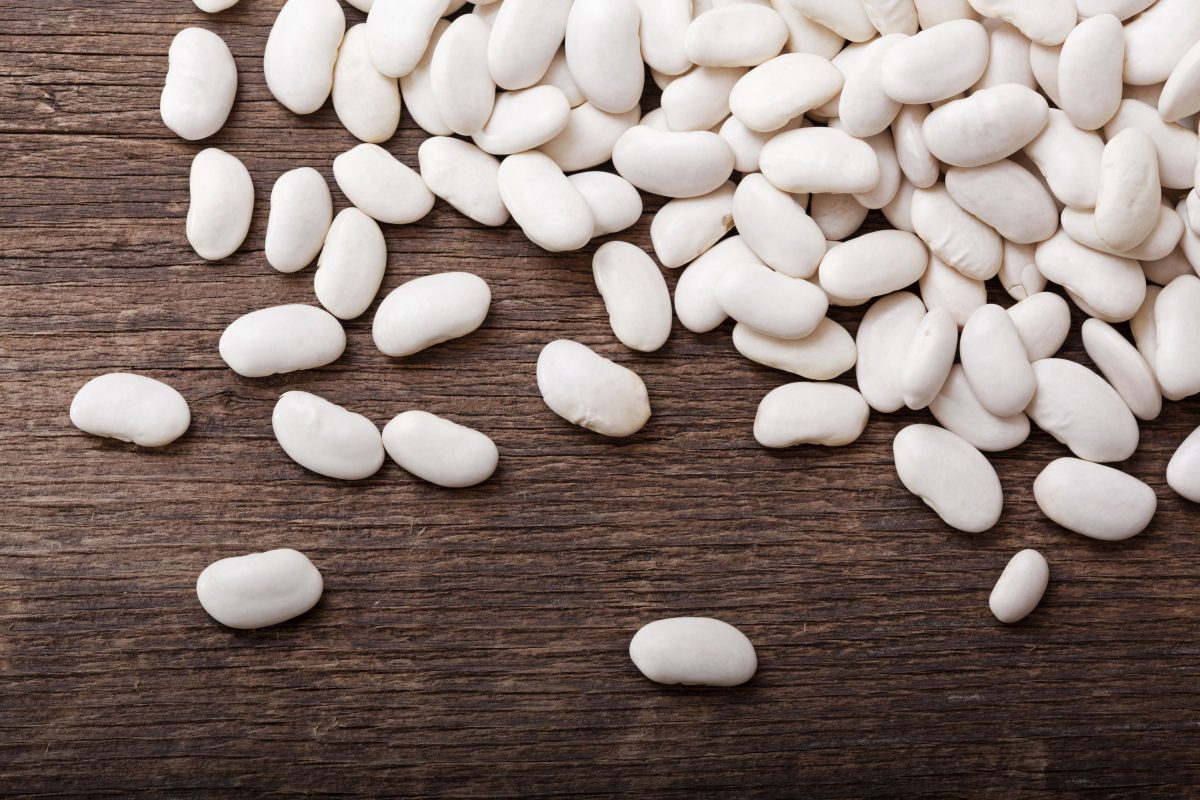
For centuries, the Atina Cannellini Beans DOP has represented the main food of the local people and today it is still cultivated according to ancient traditions.

The soil before sowing is not fertilized, even with organic fertilizer, the harvest is done manually and plants are tied together in bunches and dried with natural ventilation.

The story of Atina Cannellini Beans is connected to that of Atina Cabernet DOC wine which has been introduced during XVIII century. The beans were cultivated between the lines of vineyard to fertilise the soil. 


powered by social2s
Atina. Single Variety Marina Olive Oil

This local Atina olive Cultivar is called Marina and has a little voluminous foliage, short branches to the fruit, small pale green leaves.

The variety was introduced in the eighteenth century by the Marini family, pharmacists who brought it here from the heights between France and Spain.

The oil is healthy, tasty and sought after, always linked to the people of the enchanting Comino Valley, where the medieval town of Atina is located on a top of a hill.

The olive tree was introduced by the Samnites to the area in the first centuries BC.

powered by social2s
Acquafondata. Potatoes's Gnocchi

Potatoes grown in Acquafondata countryside are famous for their quality and organoleptic (sensory) qualities. Their quality are recognise with the denomination Patate Alto Viterbesi IGP (Upper Viterbo Potatoes PGI - Protected Geographical Indication).

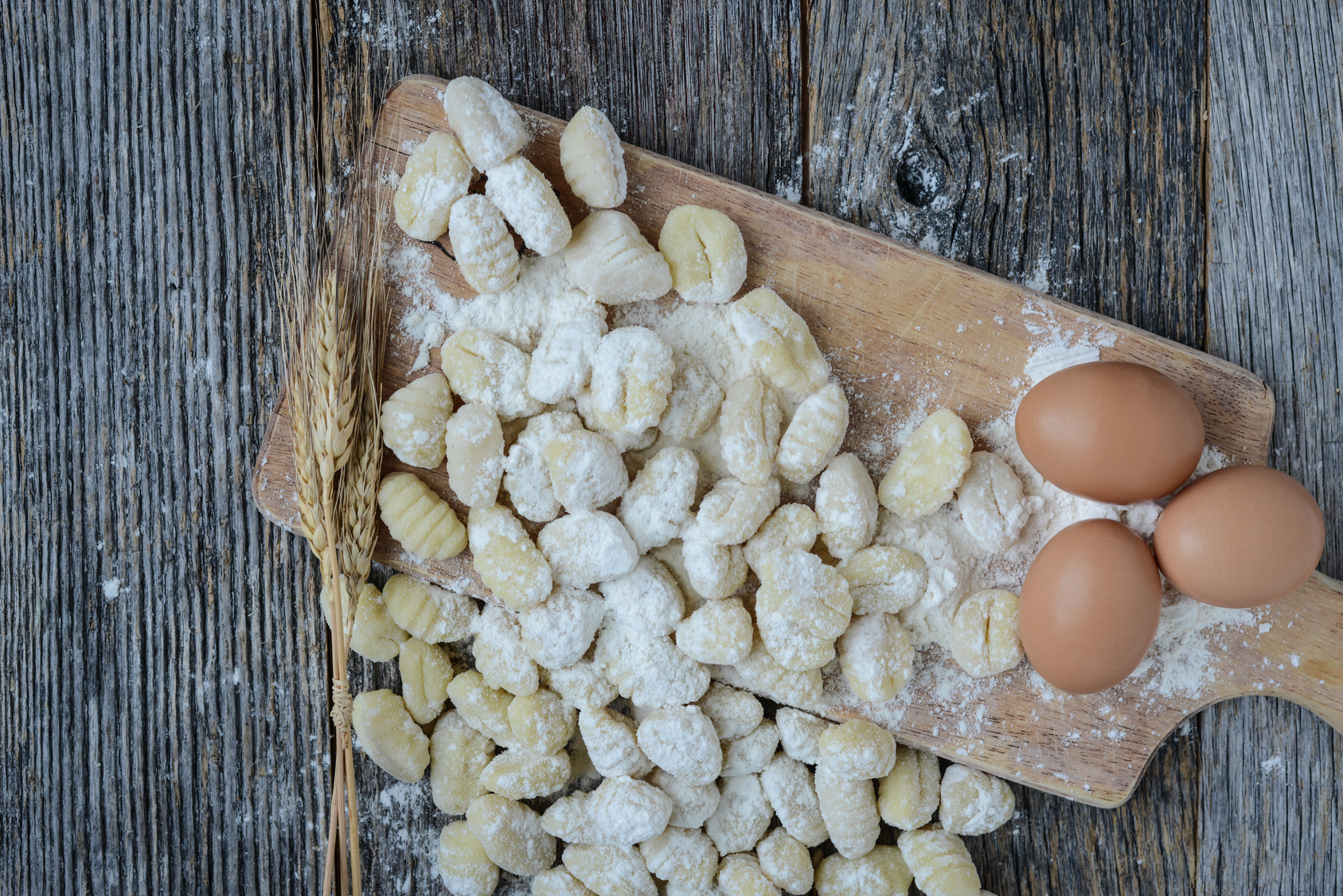
Thanks to these, the most famous dish of Acquafondata are Potatoes's Gnocchi made from potatoes, flour and salt.

For a good result it is important that the potato maintains a certain consistency after being boiled and crushed to not compromise the single gnocco shape during the final boiling.

Note that the right amount of flour depends on the degree of humidity of the environment in which the dough is prepared.

Never use ‘new’ potatoes.


powered by social2s
Vivaro Romano. Cioncone Bean

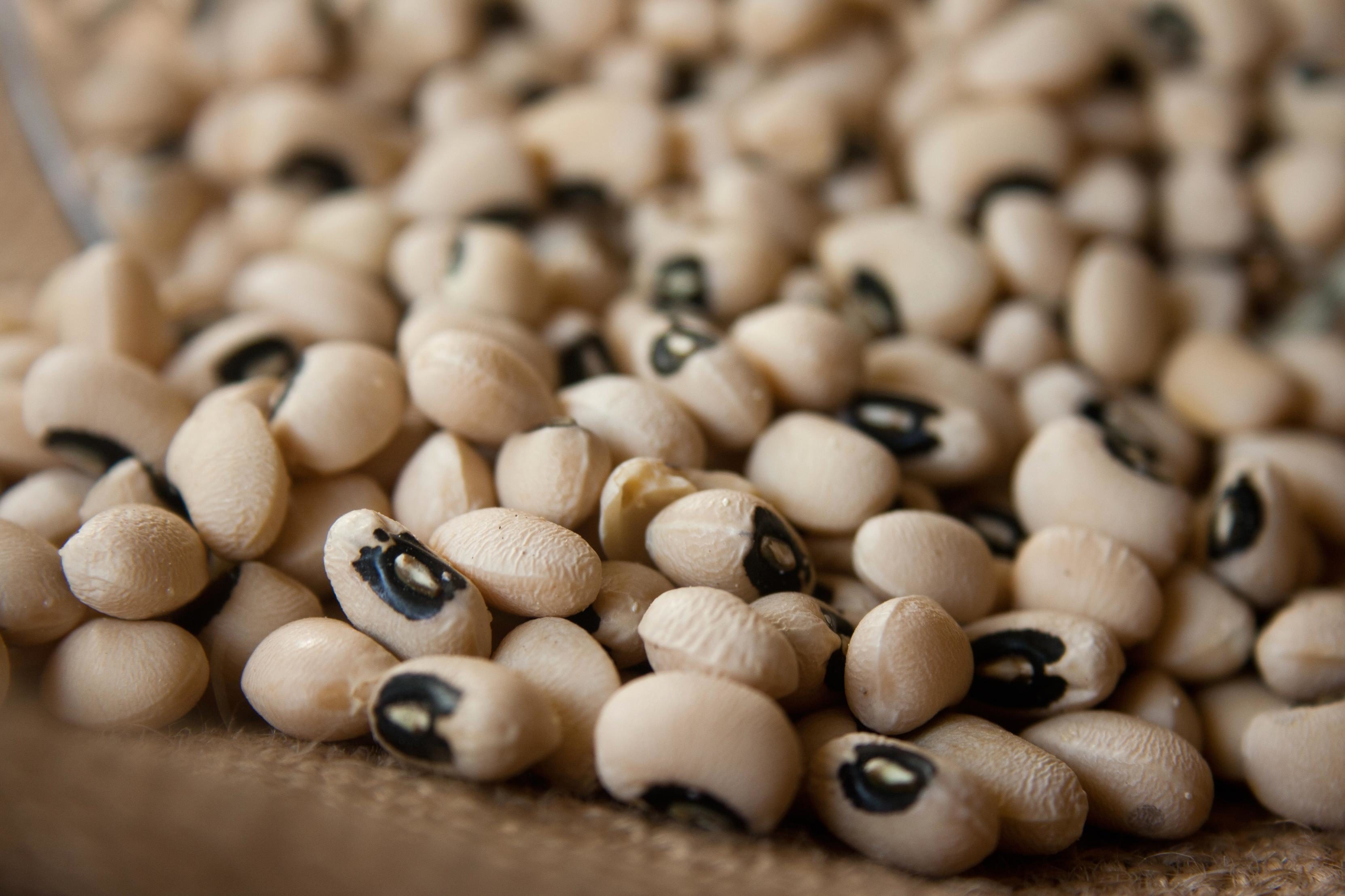
The Cioncone Bean (fagiolo Cioncone) is traditionally grown in Vivaro Romano countryside on land at the foot of the village near the springs of water.

The beginning of the Cioncone bean cultivation occurred immediately after the Second World War and replaced other types of beans now disappeared.


powered by social2s
Vicovaro. Polenta

Vicovaro is near Lucretili Mountains and Tibutini Mountains and it is crossed by Aniene Rivers, the second river of Rome. In the past it was linked to Rome through the Old Via Varia and it was one of the agricultural center of Rome.

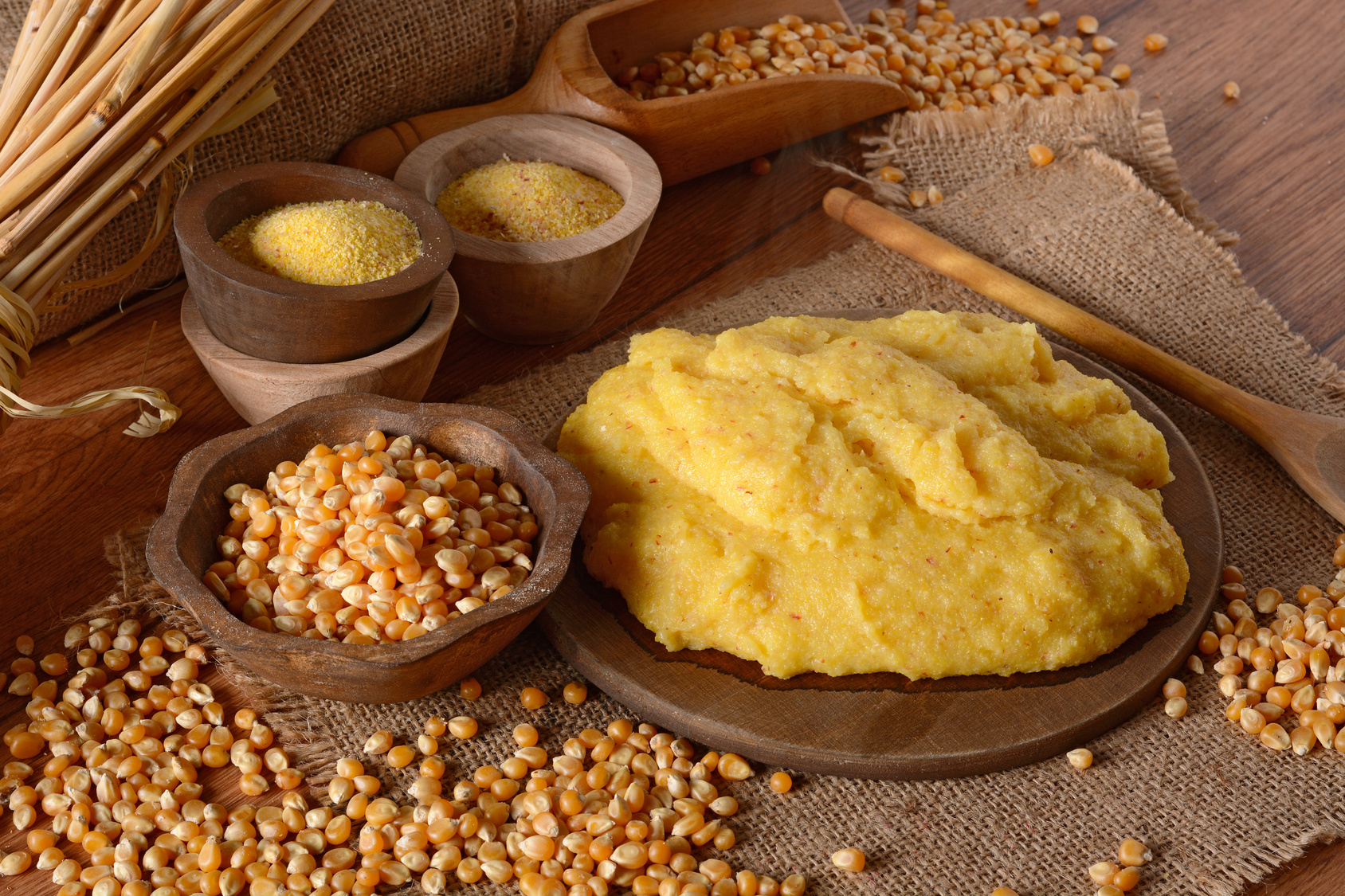
its territory is perfect for the cultivation of maize from which the flour for polenta has been obtained for centuries.

Polenta was the typical dish of the peasant diet produced from flour from maize cultivated in their own fields, and ground quickly in the mill and eaten unseasoned.

Today, the typical sauce of Vicovaro is polenta with snails or 'ciammaruche'.

powered by social2s

Subscribe to Newsletter

Discover a territory through the emotions of the people that have lived it.