Vicovaro. Bread of Vicovaro

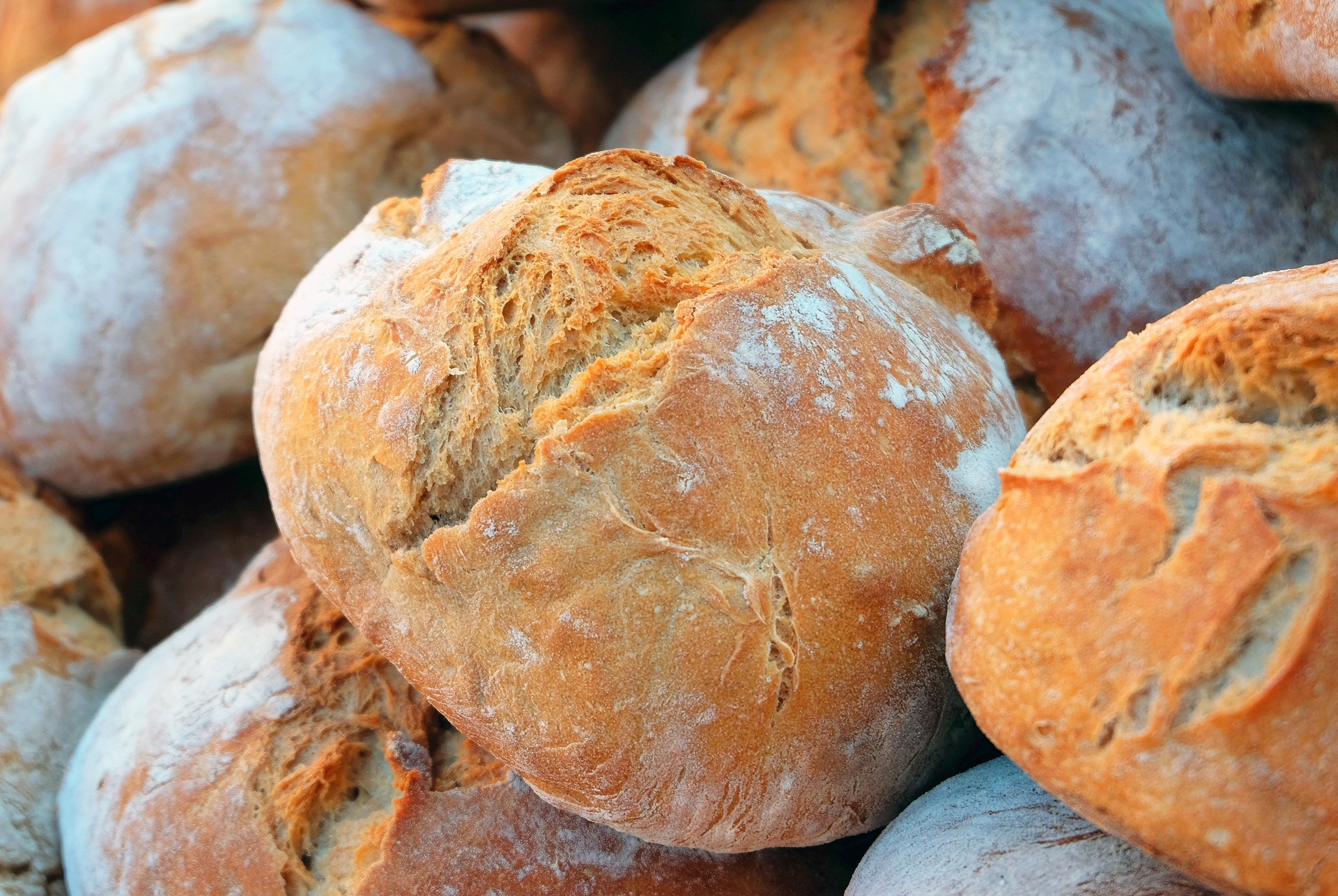
This traditional Bread of Vicovaro is the one with the 'indirect' dough that is with double leavening.

The difference between normal bread and the one with "indirect" dough appears immediately in quality of the bread.

Once there were 50 bread ovens working around the clock to serve Rome and Tivoli and they were fed with broom wood (ginestra).

The bread thus obtained had a unique fragrance.

Today two ovens still make the bread in this way.
 

powered by social2s
Vicovaro. Aniseed Donuts

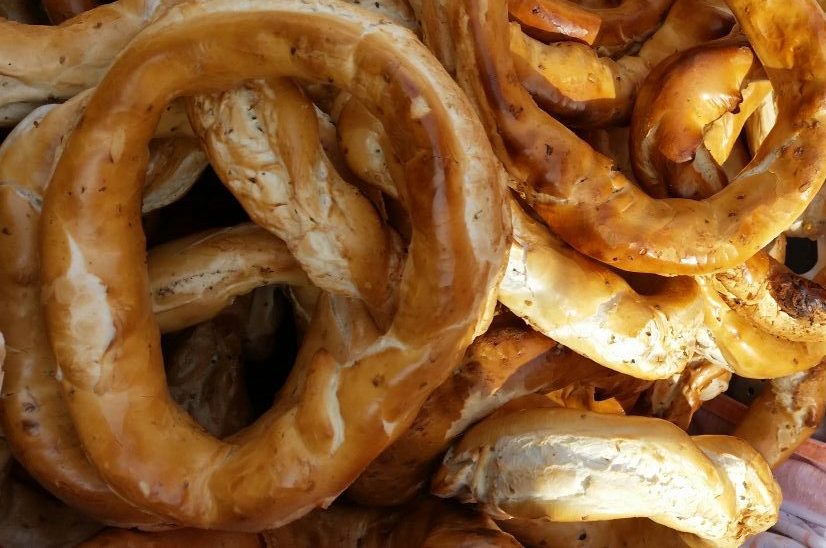
One of the typical product of Vicovaro is the famous donuts with anise seeds (ciambelle all'anice).

Biscuits are made with dough of wheat flour, white wine, olive oil, anise, and salt.

These donuts have a long tradition and their recipe has been passed down for generations.

They are perfect when dip in red wine at the end of a lunch.
 

powered by social2s
Velletri DOC Wine

Velletri is a town south of Castelli Romani (Roman Castles) on a hill facing the flatland to the sea. With this exposition and its volcanic soil, this area is perfect for the cultivation of vines.

Velletri DOC Wine is produced in the area of Velletri, Lariano e part of Cisterna di Latina. It has been recognized as DOC - Denominazione di Origine Controllata in 1972.

The white wine is produced using Malvasia of Candia, the Malvasia of Lazio, Tuscan Trebbiano, Green Trebbiano and Yellow Trebbiano grapes. The red wine is produced using Montepulciano, Sangiovese and Cesanese and Cesanese of Affile grapes.

The DOC Velletri refers to three types of white wine (White, Superior and Sparkling) and to two types of red wine (Red" and Red Reserve).

The Velletri wine is quoted by Livio and was popular with Romans. The Statutes of the municipality of Velletri (end of 1400) contain numerous chapters on wine production process, from the cultivation of the vine until the production and its conservation.

Borgia tells that St Francis passing Velletri in 1222 and miraculously freed the vines from worms (called Magnacozze) that were destroying the plants.
 

powered by social2s
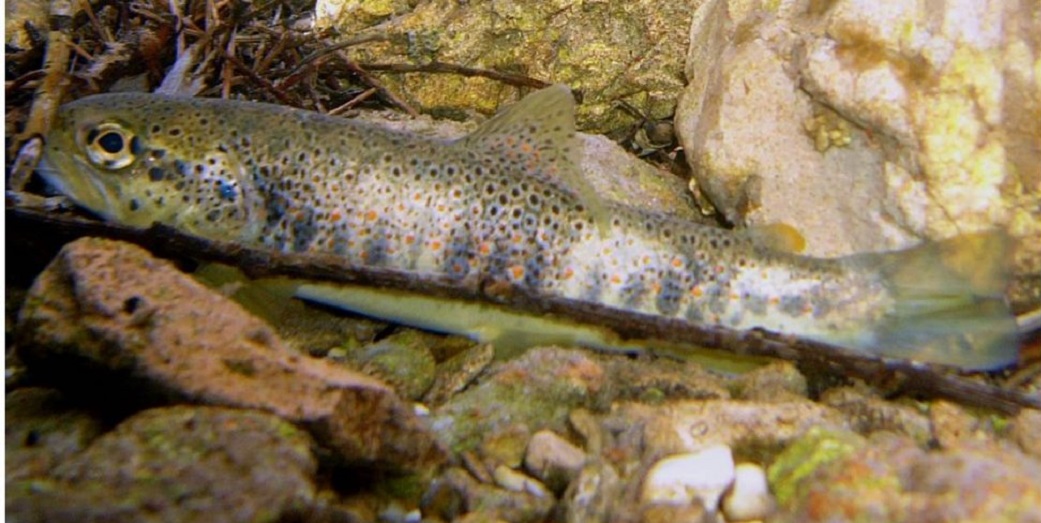
Mediterranean brown trout

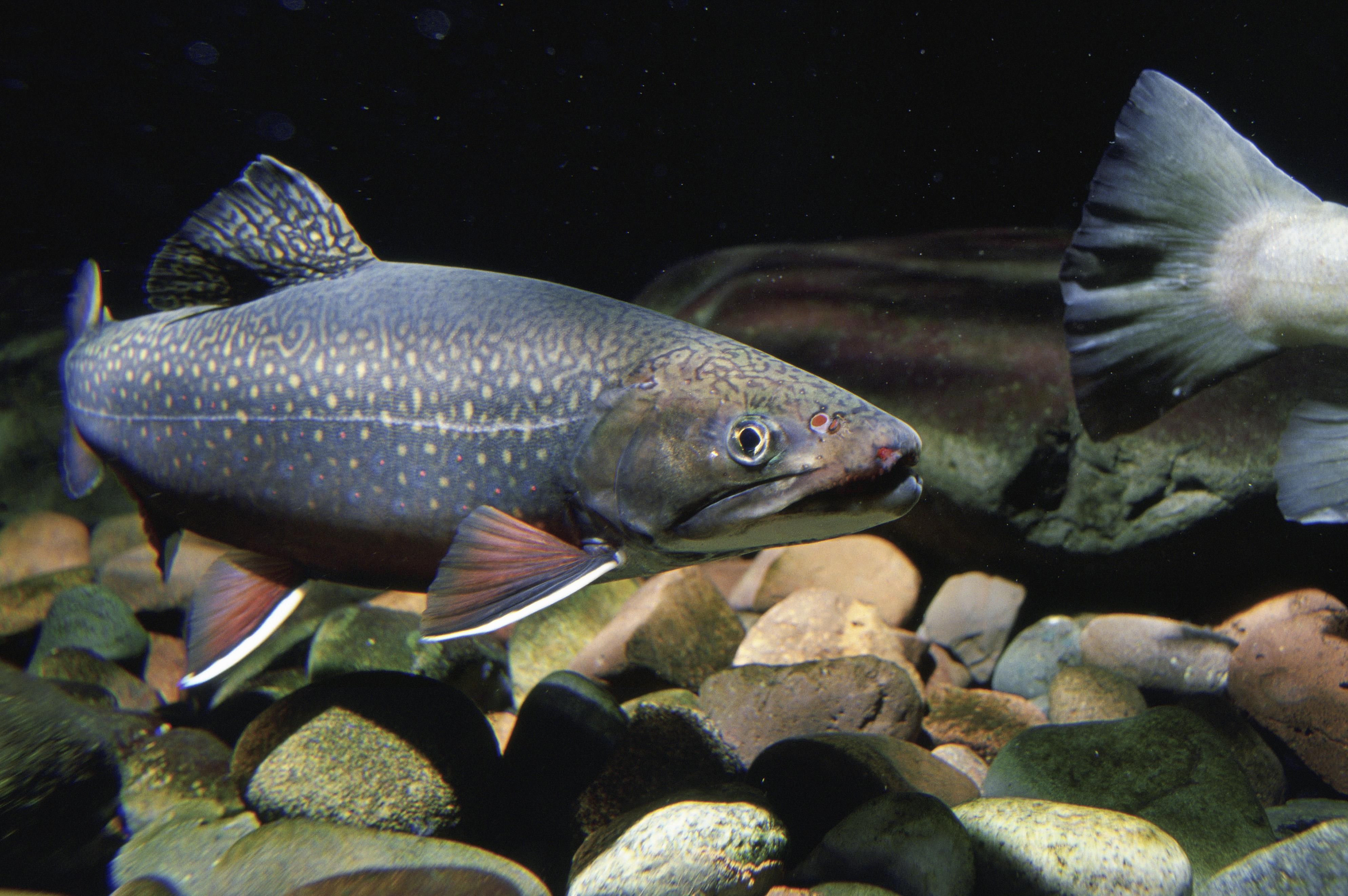
In addition to the experiences of walking along the religious paths or those that were once the paths of transhumance between the mountains of Abruzzo and the plains of Lazio, in Vallepietra you can practice sport fishing along the Simbrivio river.

In the nurseries along the Simbrivio river some excellent fish are caught such as the Mediterranean brown trout which have found an optimal habitat here thanks to the temperature and clarity of the mountain waters.

You can also find freshwater prawns which were traditionally used to flavor the famous Vallepietra gnocchi.

powered by social2s
Agostinella corn
Agostinella corn

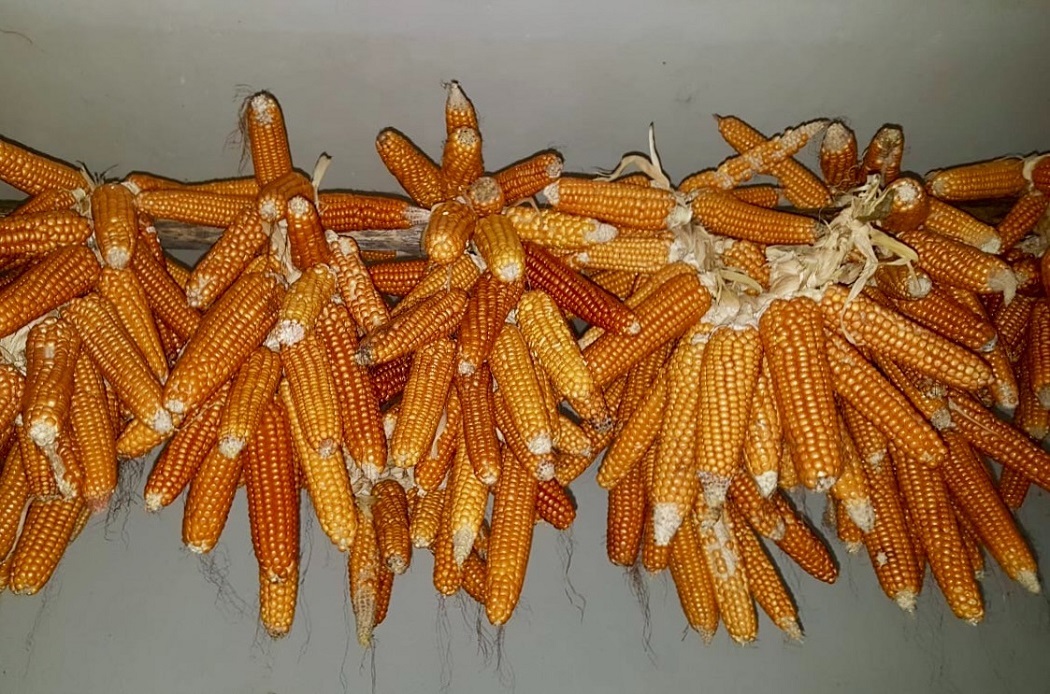
Polenta has always represented one of the basic products of the mountain people's diet and in each area a particular maize was grown. The corn which was better adapted to the conditions of the local microclimate.

Agostinella corn was selected over the centuries in Vallepietra and is now listed in the regional register of genetic resources at risk of erosion. The cob has a classic orange color and is smaller than those normally found in lowland areas. For this reason, the cultivation of this corn had been abandoned together with the depopulation of the town.

Thanks to Slow Food and the policies of the Monti Simbruini regional park, this corn has returned to being planted in rotation with potatoes, beans or cabbage.

The typical polenta of Vallepietra is prepared with agostinella corn flour, to which a festival is dedicated in autumn.

powered by social2s
Ciavattone bean
Ciavattone bean

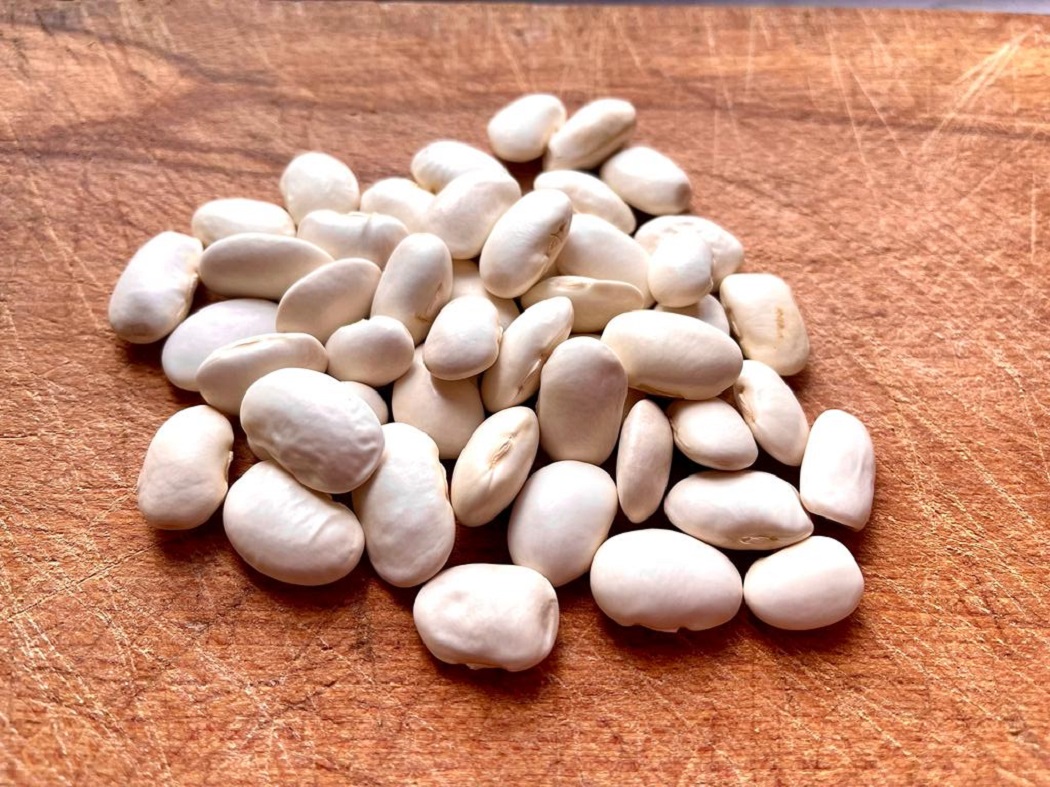
Thanks to a particular microclimate and the fresh spring waters of the Simbrivio river, a particular quality of bean has always been grown in Vallepietra, the Ciavattone di Vallepietra bean.

Cultivation had been abandoned in favor of species with greater production, but thanks to the Slow Food Presidium, this very special bean has returned to production.

It is planted in early spring (April or May) and harvested in September, just in time for its festival.

The bean has a classic white color and is large in size, hence the name 'big bean'. Its particular flavor and the high digestibility of its peel make it particularly suitable to be boiled and served in salads with EVO oil and pepper, and possibly accompanied by celery and carrot.

A festival is dedicated to the bean every year.

powered by social2s
Trevignano Romano. Marinated Whitefish

Trevignano Romano is an enchanting town on the shore of Lake of Bracciano northern Rome. The whitefish is a typical fish of Lake Bracciano with tasty and refined flesh.

It is fried, grilled or barbecued.

A traditional recipe is that of marinated fish: mixed fish fillets (whitefish, tench, eel, pike and lattarino) are fried and stored in water and vinegar with the addition of various flavourings such as lemon, garlic, rosemary and sage.
 

powered by social2s
Saracinesco. Museo del Tempo

The typical dish of Saracinesco is polenta covered with a tomato snail sauce. Snails are found available in the meadows at certain times of the year and must be 'purged' for a few days. Only then are they ready to be cooked with a tomato-based sauce.

Polenta is a typical autumn and winter dish to which a festival is dedicated during the month of September with outdoor tastings in the square and along the streets of the historic centre.

powered by social2s

Subscribe to Newsletter

Discover a territory through the emotions of the people that have lived it.