Picinisco. Atina DOC Wine and Cabernet di Atina DOC Wine

It may seem strange that an international grape such as Cabernet has become famous in Val Comino, in the southern part of the Lazio region, but the cultivation of this grape has now a long history.

It all began in the 19th century when phylloxera destroyed vineyards throughout Europe and a mayor of Atina, who was also an oenologist, began to travel between France and Italy.

From France, Pasquale Visocchi brings back several vines including cabernet which immediately settles perfectly in the micro climate of the Val di Comino.

Pasquale Visocchi also introduces the green manure technique and the cultivation of legumes among the rows of vines (which will then bring recognition to the famous Cannellino di Atina PDO bean).

In reality, the production of wine in the area dates back to Roman times and was later favored by the small monasteries scattered throughout the area that spread agriculture and viticulture.

In 1999 a group of winemakers obtained recognition for the wines of Val Comino with Atina DOC and Cabernet di Atina DOC.

Today they are produced in the Atina Rosso Riserva, Cabernet Riserva and Semillon versions.

Cabernet Atina DOC wine must contain at least 85% of Cabernet Sauvignon and Cabernet Franc grapes while the other 15% can be black berried grapes grown in Lazio.

Atina DOC wine must instead contain at least 50% of Cabernet Sauvignon grapes and the rest of Merlot, Syrah and Cabernet Franc and up to 20% of other black berried grapes grown in Lazio.

 

powered by social2s
Picinisco. Cannellino Bean of Atina DOP

The first news of the Cannellino Bean of Atina DOP (fagiolo cannellino di Atina) in Comino Valley  and Picinisco date back to 1811 and 1853 documents.

We know that already two varieties were grown: the red and white cannellini.

Legumes were planted between the rows of vineyards to fertilize and nourish the soil in a natural way.

The white cannellino bean was the most valuable with about 20% of production sold and it constituted an important source of income for families.

The bean cannellino, for at least two centuries, has been one of the staples of the local inhabitants and in particular farmers.

Legumes, and in particular beans, are at the base of many typical dishes of Ciociaria.

powered by social2s
Pecorino di Picinisco DOP

In Picinisco, in the splendid Comino Valley (Val di Comino) bordering the mountains of the Abruzzo Lazio and Molise National Park, sheep and goats have always been raised.

Excellent cheeses are prepared with their raw milk and pecorino has always been known for its quality. There are written documents dating back to the 1600s.

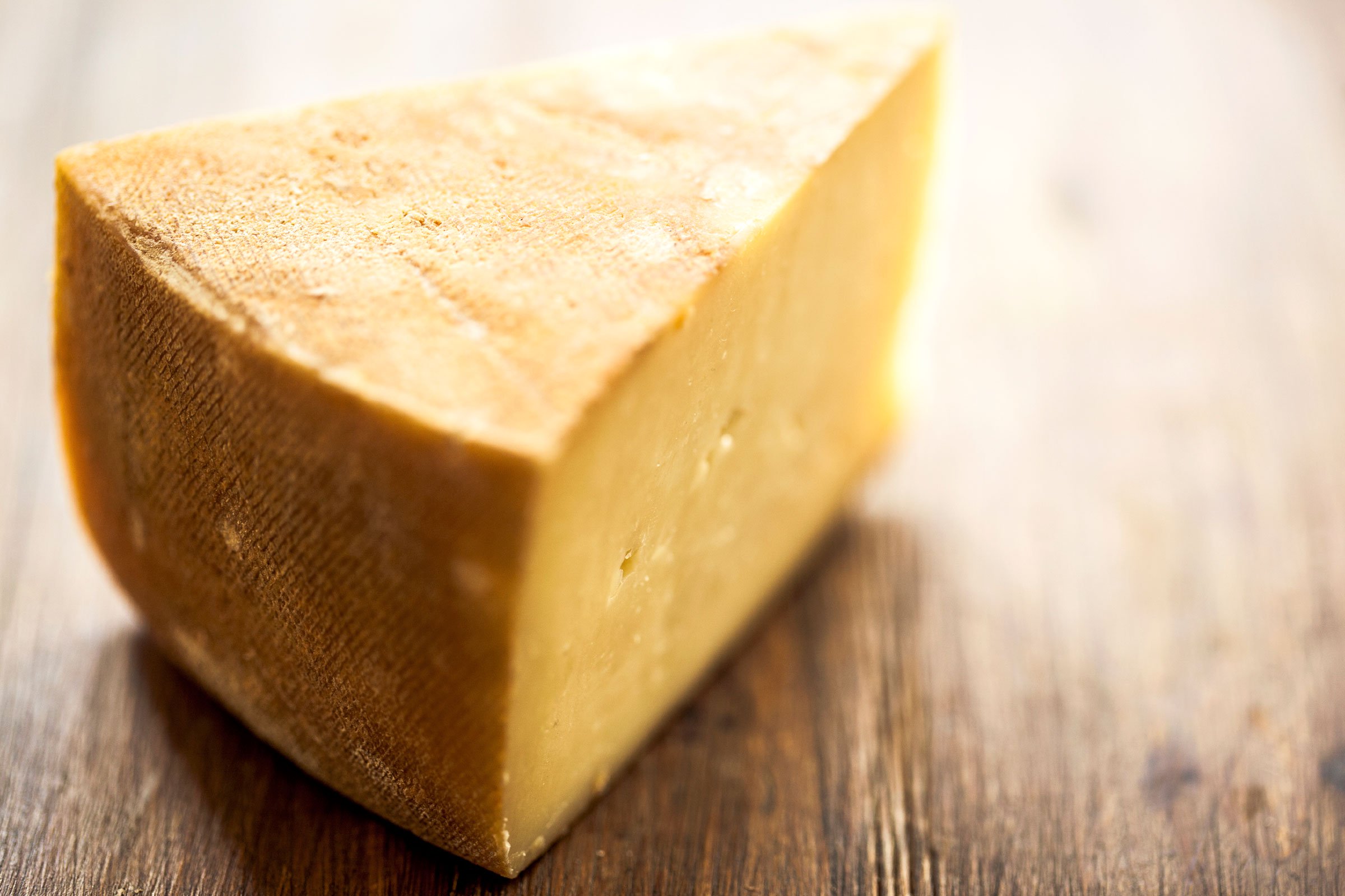
Pecorino di Picinisco DOP is a cheese that is produced exclusively with raw milk and can be found fresh and aged in local dairies.

In spring, the Marzolina is also produced, a small cylindrical cheese that is also stored in jars under oil.

The sheep used are mainly the Massesse, Comisana and Sopravvissana breeds.

In 2013, a group of shepherds gathered in a consortium recognized the quality of the pecorino that obtained the Pecorino di Picinisco DOP certification from the European Union.

powered by social2s
Orapi o Buon Enrico
Orapi o Buon Enrico

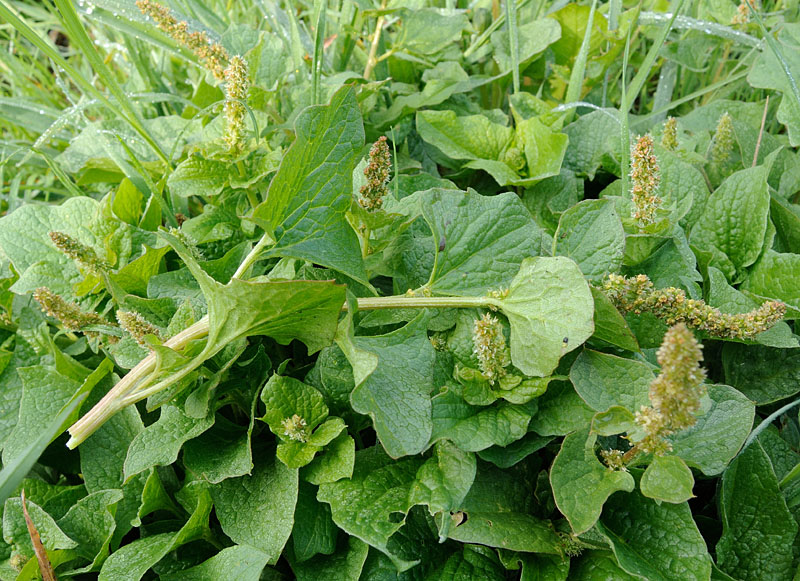
The orapi are also known as mountain spinach and are harvested and cultivated in the mountains of the Abruzzo Lazio and Molise National Park and in particular in Picinisco.

They are also called the 'Good Henry' vegetable, in honor of Henry IV, king of Navarre and then of France (1589-1610), protector of botanists and agriculture.

Enrico in 1600 decided to let the hungry population enter his royal park to collect wild herbs and out of gratitude the people gave the name of 'Buon Enrico' to this wild spinach with an inviting flavor.

They are particularly tasty vegetables, and these wild herbs are considered a kind of mountain spinach.

They have “goose foot” shaped leaves. The orapi have a full and robust flavor and are harvested mainly during the summer period.

Traditionally they are cooked boiled and sautéed in a pan. Very tasty are the Gnocchetti alla Orapi with cherry tomatoes, garlic and oil.

powered by social2s
Casalvieri. Goat cheese

One of the typical cheese of Casalvieri is a goat cheese.

It is made from milk from animals raised on natural pastures of the Comino Valley using traditional equipment.

The result is a cheese with a unique taste and refined taste.
 

powered by social2s
Settefrati. Atina DOC Wine and Cabernet di Atina DOC Wine

The history of Cabernet di Atina begins in the 19th century when the agronomist Pasquale Visocchi, then mayor of Atina, imported some varieties of French grapes into Val di Comino.

In those years the phylloxera had destroyed most of the vineyards in Europe and in many areas it was decided to restart production using international vines.

The cabernet of Val Comino has earned acclaim and awards for its quality which has been recognized with the appellation Atina DOC and Cabernet di Atina DOC.

powered by social2s

Subscribe to Newsletter

Discover a territory through the emotions of the people that have lived it.