Panata
Panata

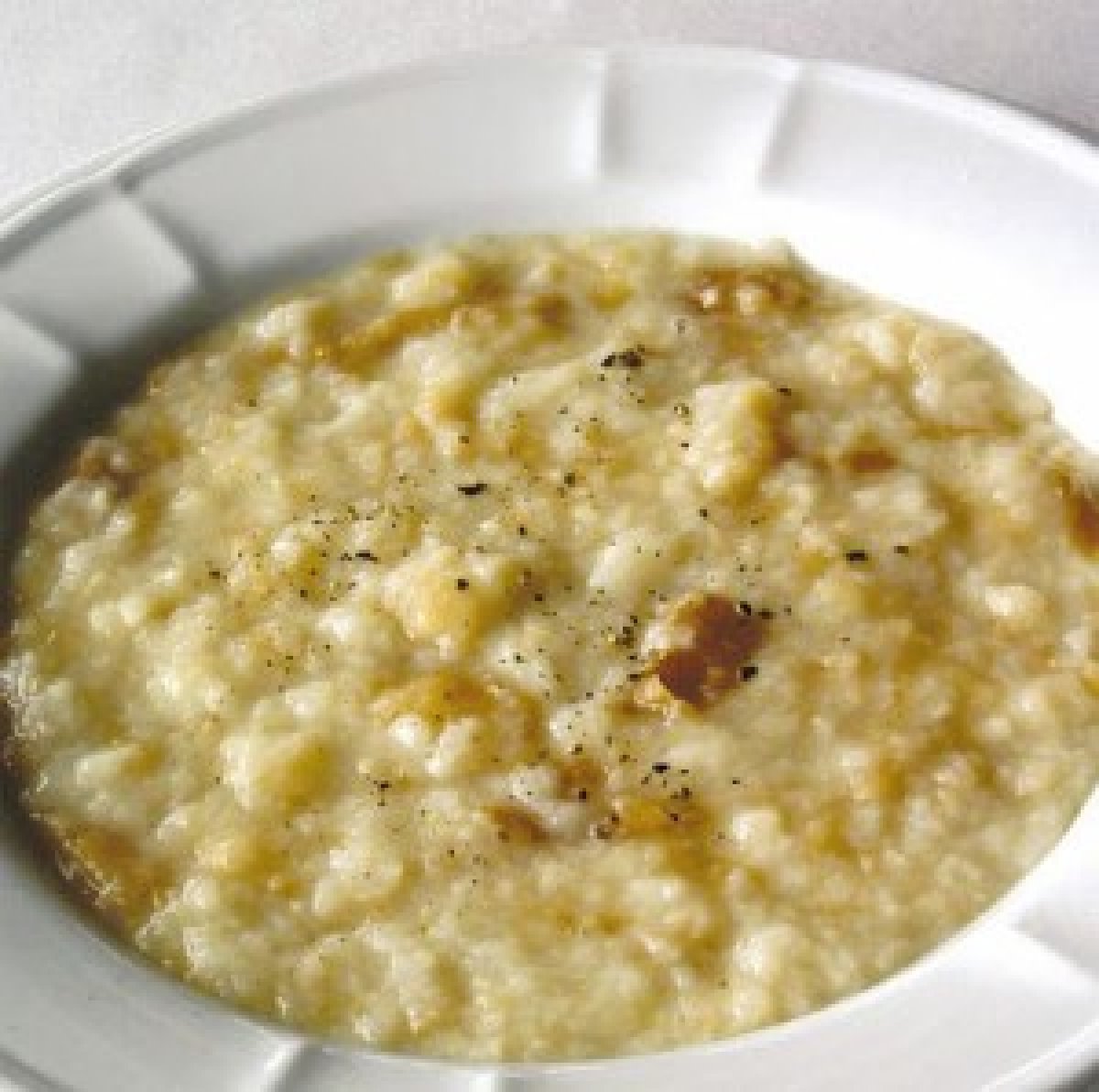
Panata is an anchovy-based soup that is served with a loaf of bread and accompanied by a glass of red wine.

In Fumone, on the occasion of the Feast of San Sebastiano (January 20) and the Monday following Pentecost, the ancient rite of the Panata is repeated.

In these days, the soup is distributed to the population and consumed together in the grottoni della Panata.

The bread is prepared following the ancient recipe. A "wolf's eye" pasta dough is prepared with soft wheat flour.

After cooking the pasta in water and salt, it is seasoned with a tomato sauce prepared in a pan with garlic, oil, parsley and boned salted anchovies.

Everything is then garnished with abundant red pepper.
powered by social2s
Fumone- Olio di Oliva

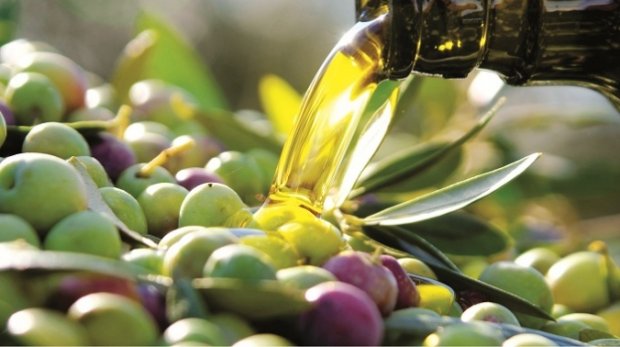
Fumone Extra Virgin Oil comes from olive trees that grow on calcareous soils.

Olive plants growing on limestone soil produce excellent quality olives that are then "cold pressed" so that they do not exceed 26°C during processing.

Fumone oil displays its healthy properties to the fullest and its flavour is unmistakable such that it has won awards around the world.

In some ‘houses’ it is possible to participate in harvesting and preparing oil.

powered by social2s
Fumone- La Taverna del Barone

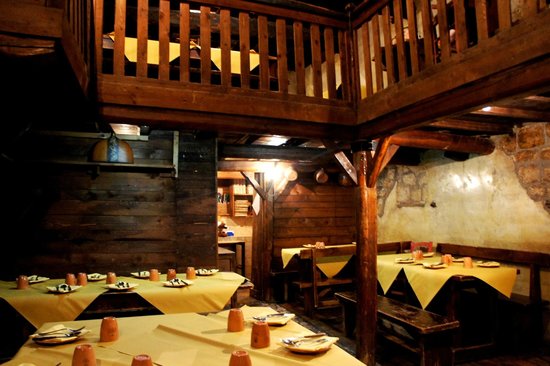
Just past Porta Romana in the old town, on the left is the Baron's Tavern. Suddenly, by opening the door, one is catapulted back in time with wooden tables and benches worn by time, damsels, carafes and ancient relics that furnish a room of history.

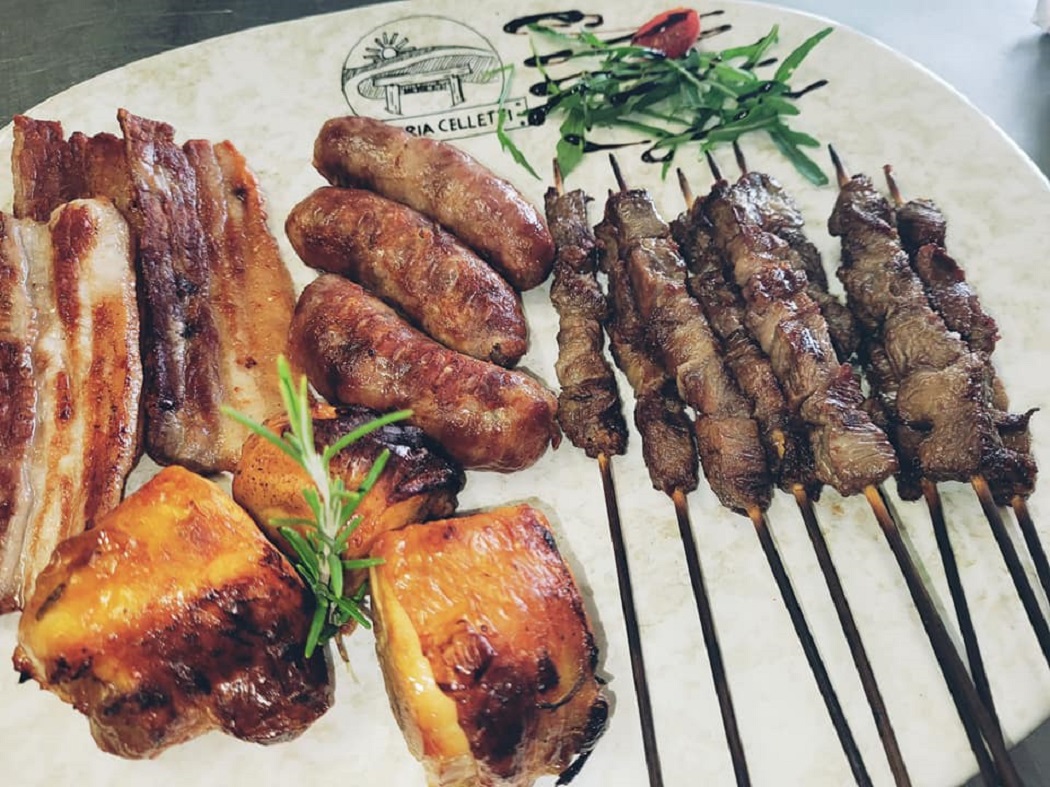
A perfume of roast meat wraps us completely.

On the last Friday of the month there is a "medieval dinner" where waiters serve a dinner in a perfect medieval style. Newly-polished glasses and dishes, hand-rolled pasta and roasts, hand-cured cold cuts and roasted bread, olives sweetened with lime as it used to be done in the past.

It ends with anise dumplings and dried fruits, but dinner is enlivened by traditional music and 'dramatic' effects as wayfarers and merchants invade the tavern with swords.
 

powered by social2s
Trivigliano- Formaggio di capra

The goat cheese of Trivigliano is famous for its scent coming from healthy feeding of animals in the pastures of the Ernici Mountains.

As a result of its lightness it can be served at the end of the meal or as an aperitif accompanied by a good wine.

It is produced by two local cheese factories.

powered by social2s
Torre Cajetani. The bakery delights

The delights of the bakery are one of the typical dishes of Ciociara cuisine and also in Torre Cajetani it is possible to taste a great variety of dry sweets.

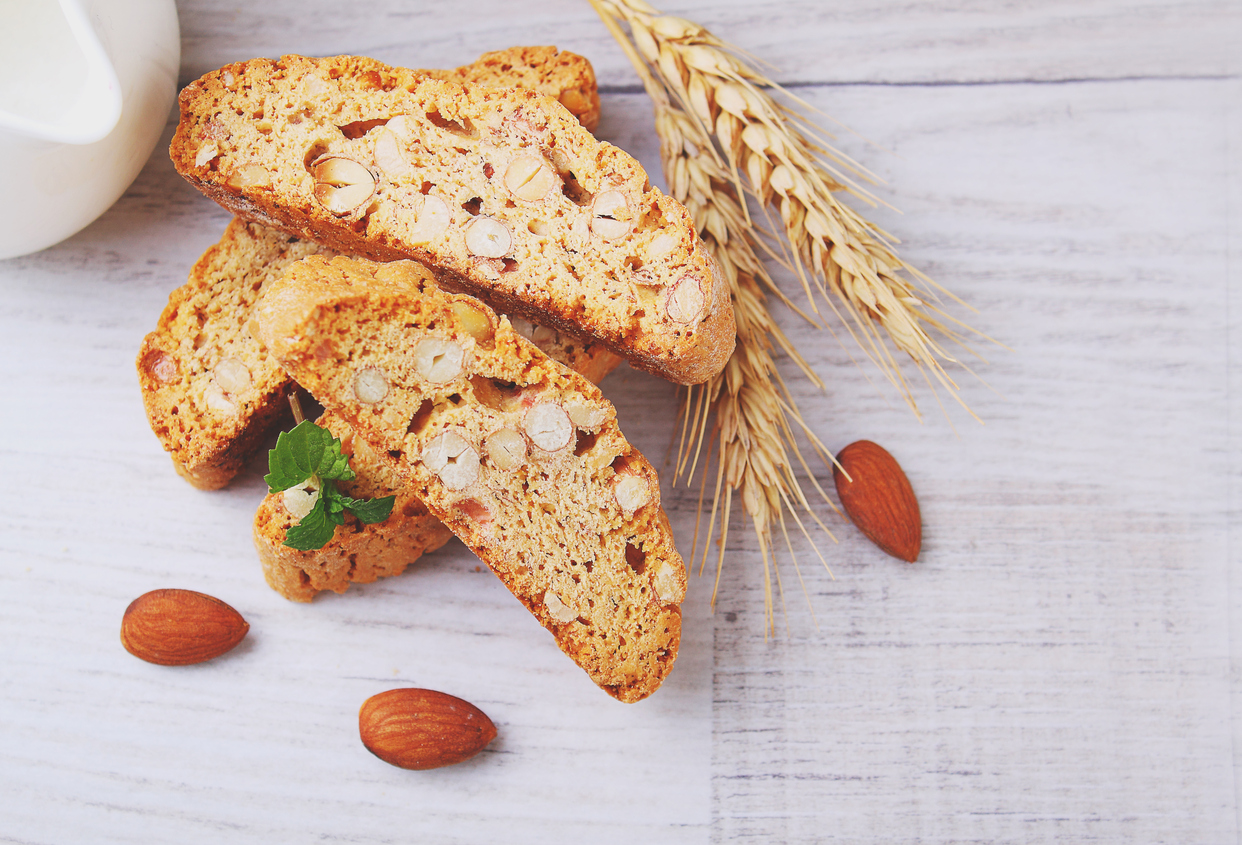
They are small pieces (tozzetti) with hazelnuts perfect for breakfast or donuts made with wine to be enjoyed with an aperitif or at the end of a meal dipped in a glass of red wine.

Maybe some excellent Cesanese del Piglio DOCG wine produced in the lower area of the Ernici Mountains.

powered by social2s
Timballo di Bonifacio VIII

Timballo of Boniface VIII (timballo alla Bonifacio VIII) is one of the traditional dishes of Anagni, the famous City of the Popes where this pope lived.

In fact, it seems that it was one of the favorite dishes of Pope Boniface VIII and for this reason it was named in honor of him.

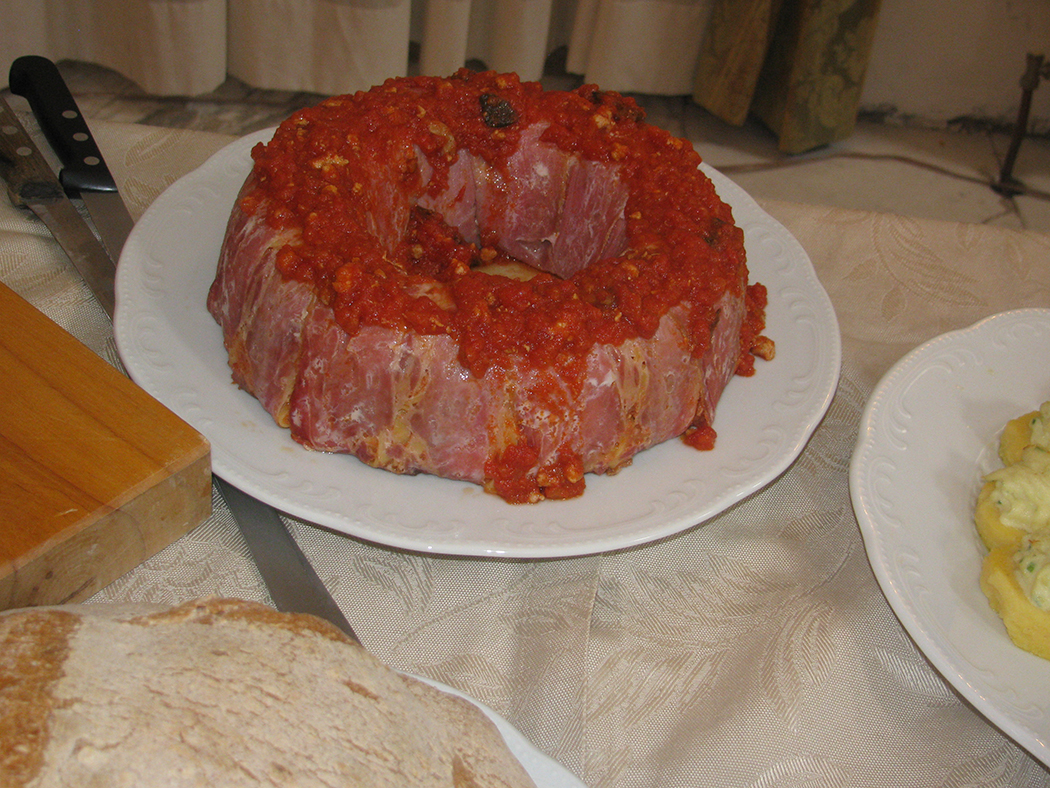
The timballo is a pasta pie made with thin noodles and a beef ragout with the addition of pork sausages. The ragù is cooked in the traditional way scented with carrots, celery, onion, peeled tomatoes and bay leaf.

Once cooked al dente, the pasta is seasoned with the sauce and cheese and placed in a pan, round or in the shape of a donut.

The pan is lined with slices of ham and the timbale is ready after a short passage in the oven for about 30 minutes.

The real secret of the recipe is the cooking time of the timbale so as not to dry out the ham.

powered by social2s
Polenta con i Tanni
Polenta con i Tanni

Polenta with Tanni is a typical dish of Torre Cajetani, a nice town on Ernici Mountains.

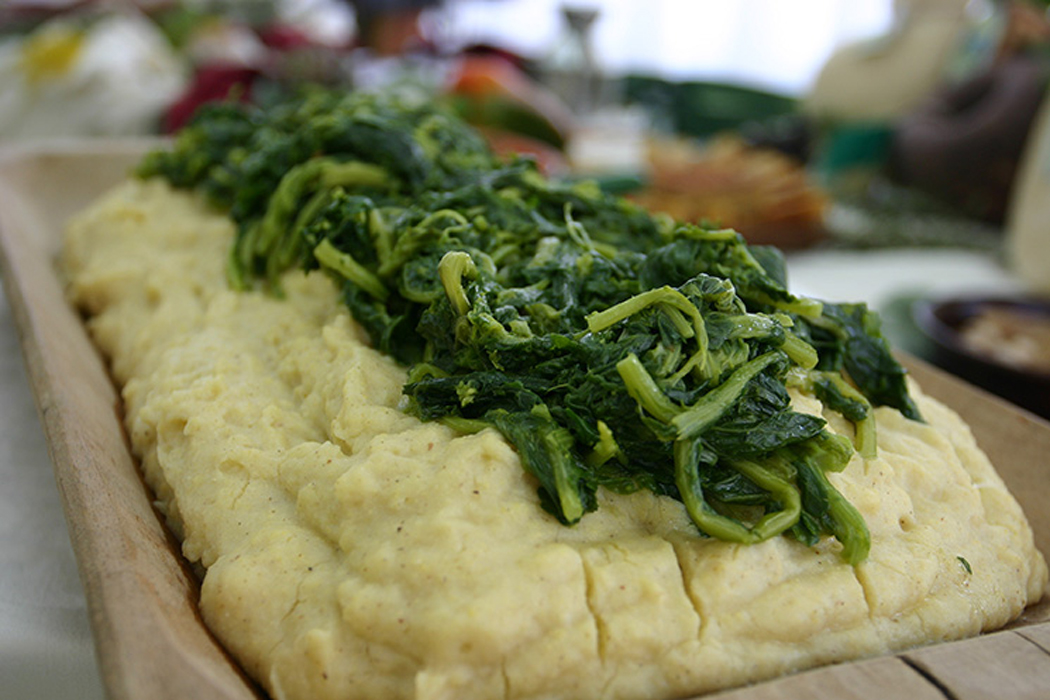
Tanni are a particular type of rapeseed broccoli. The raw vegetables are cooked in a pan with plenty of oil, garlic, salt and very little water. Tradition also calls for a bit of chili.

Polenta is made with maize flour, preferably large grain.

When it is cooked it is then poured into the traditional wooden "scife" (plates). The cooked Tanni is spread over the polenta.
 

powered by social2s

Subscribe to Newsletter

Discover a territory through the emotions of the people that have lived it.