Militello in Val di Catania


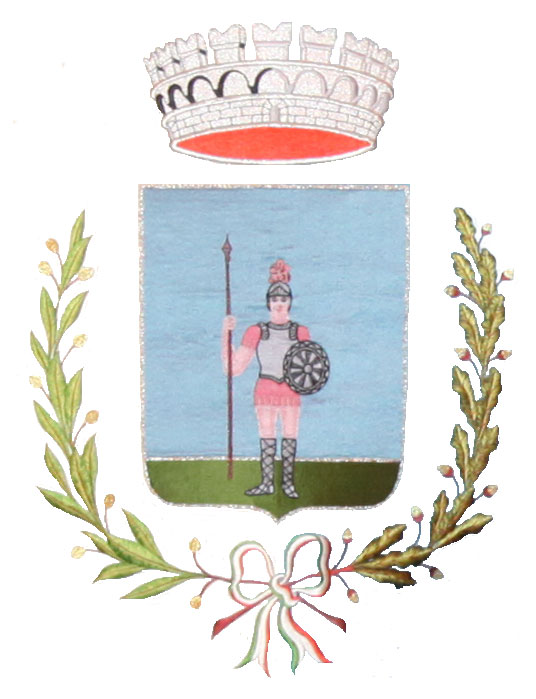
Coat of arms of Militello in Val di Catania
The splendid town of Militello in the Val di Catania rises to 413 m s.l.m. on the northern slopes of the Iblean Mountains. Its position makes it easily reachable from Catania, Syracuse and Ragusa. Known as "the Florence of the Iblei" because it is rich in palaces, churches and monasteries, in 2002 it was declared a UNESCO World Heritage Site, along with the other 7 towns (Caltagirone, Catania, Modica, Noto, Palazzolo Acreide, Ragusa and Scicli) in the area known as the late baroque cities of the Val di Noto.

The foundation of Militello can be dated in the Norman age. At that time it was an isolated farm villa (casale): the first feudal lord was Simone del Vasto, count of the Aleramici of Sicily and grandson of the Gran Conte Ruggero I, or a certain Alaimo da Lentini, around 1071.

According to a privilege of 1248, Emperor Frederick II of Swabia would have granted the casale and castrum of Militello, with the rank of baron, to the Lombard soldier Bonifacio de Camerana, son of Oddone. The document, in reality, was recognized as a "period forgery" of the early 1300s.

Nevertheless, it served the lords of Militello to justify their domination in the ruckus caused by the passage of domination in Sicily, from the Angioni to the Aragoneses. In 1303 Maria Camarana left the fief as inheritance to her son Abbo Barresi. In 1337 the king of Sicily, Peter II of Aragon, granted to Abbo the privilege of surrounding the village with walls, and building a castrum, or the castle. Militello thus became a land of the kingdom of Sicily, a city with fiscal and military capacity.

With the marriage between Caterina Barresi and Fabrizio Branciforti, prince of Butera and count of Mazzarino, in 1571 the city passed to the Branciforti, who held it until the abolition of feudalism, in 1812.

The period between 1400 and 1700 was an era of great splendour, especially during the government of the Barresi and Prince Francesco Branciforti (1575-1622), son of Fabrizio, and his wife Joanna of Austria, who transformed Militello into a prominent cultural centre.

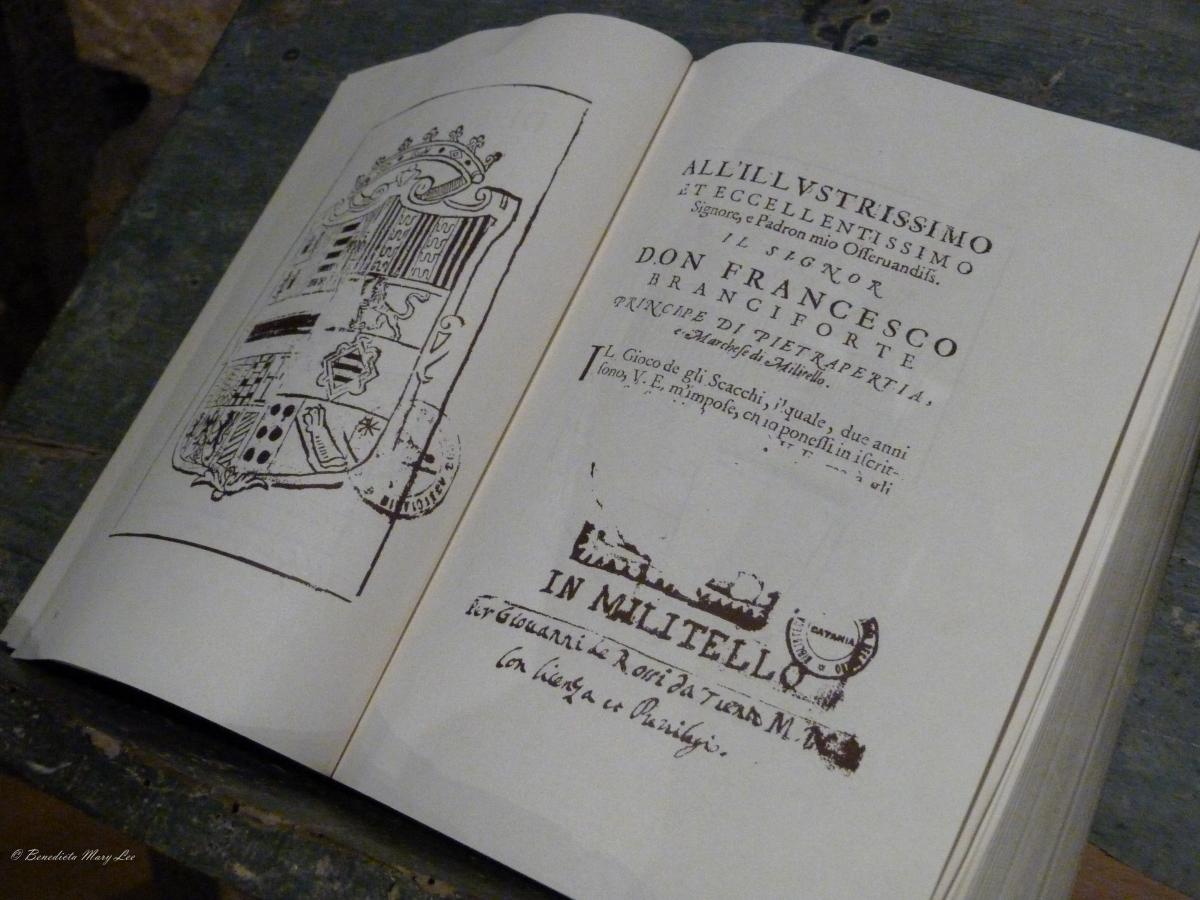
During this time Militello became an open building site, where ancient buildings were rebuilt (like the new wing of the castle) and new ones constructed: churches, monasteries, administrative buildings, public fountains, even a large library and a printing house that was among the first of the Kingdom of Sicily.

The earthquake of 11 January 1693, which destroyed much of the Val di Noto, also heavily hit Militello, knocking down many of these buildings forever. Others were rebuilt, creating those architectural jewels (such as the new churches of Santa Maria della Stella and San Nicolò, and new noble palaces), which earned Militello the inscription on the UNESCO site of the late baroque cities of the Val di Noto.
powered by social2s

Typical products 

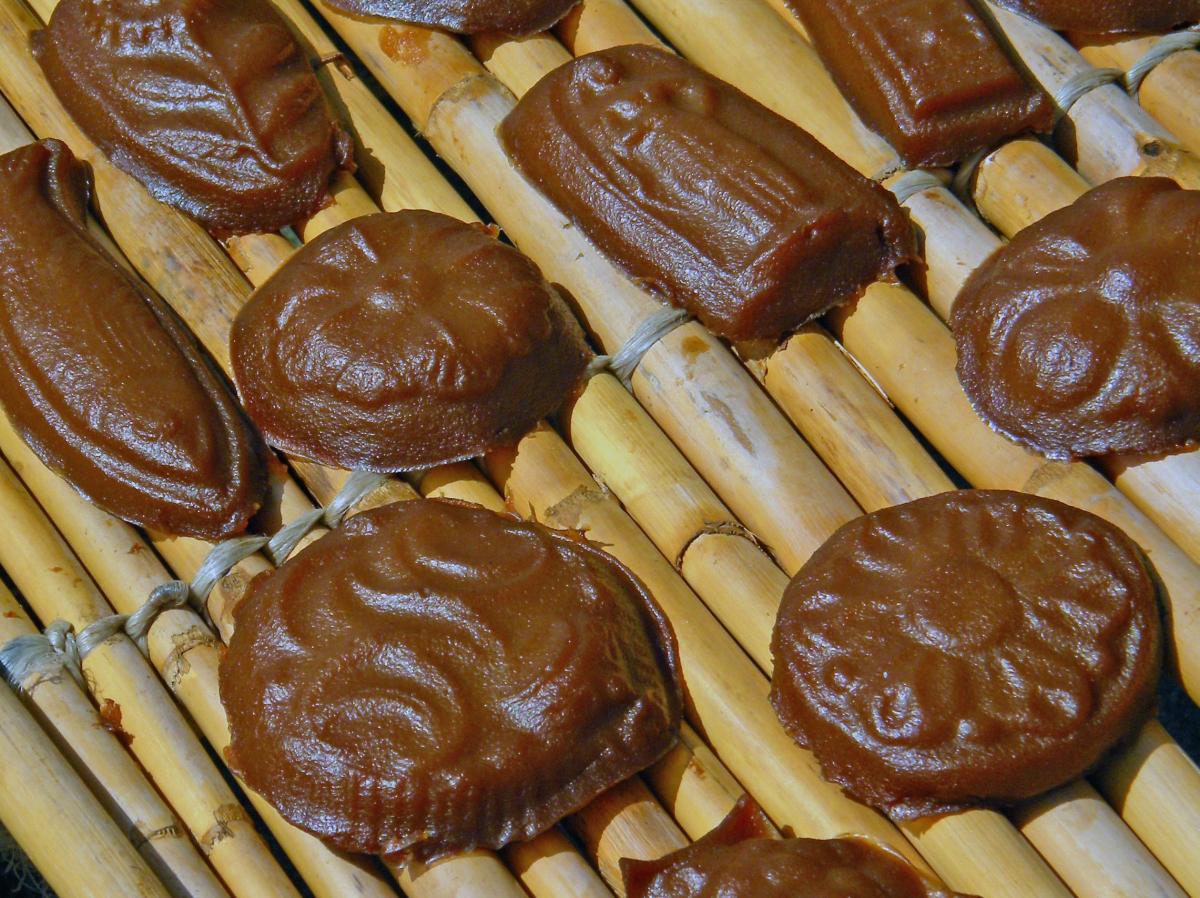
Prickly Pear Mustard is the typical product of Militello in Val di Catania and has its maximum celebration in the dedicated October Festival  Sagra della...

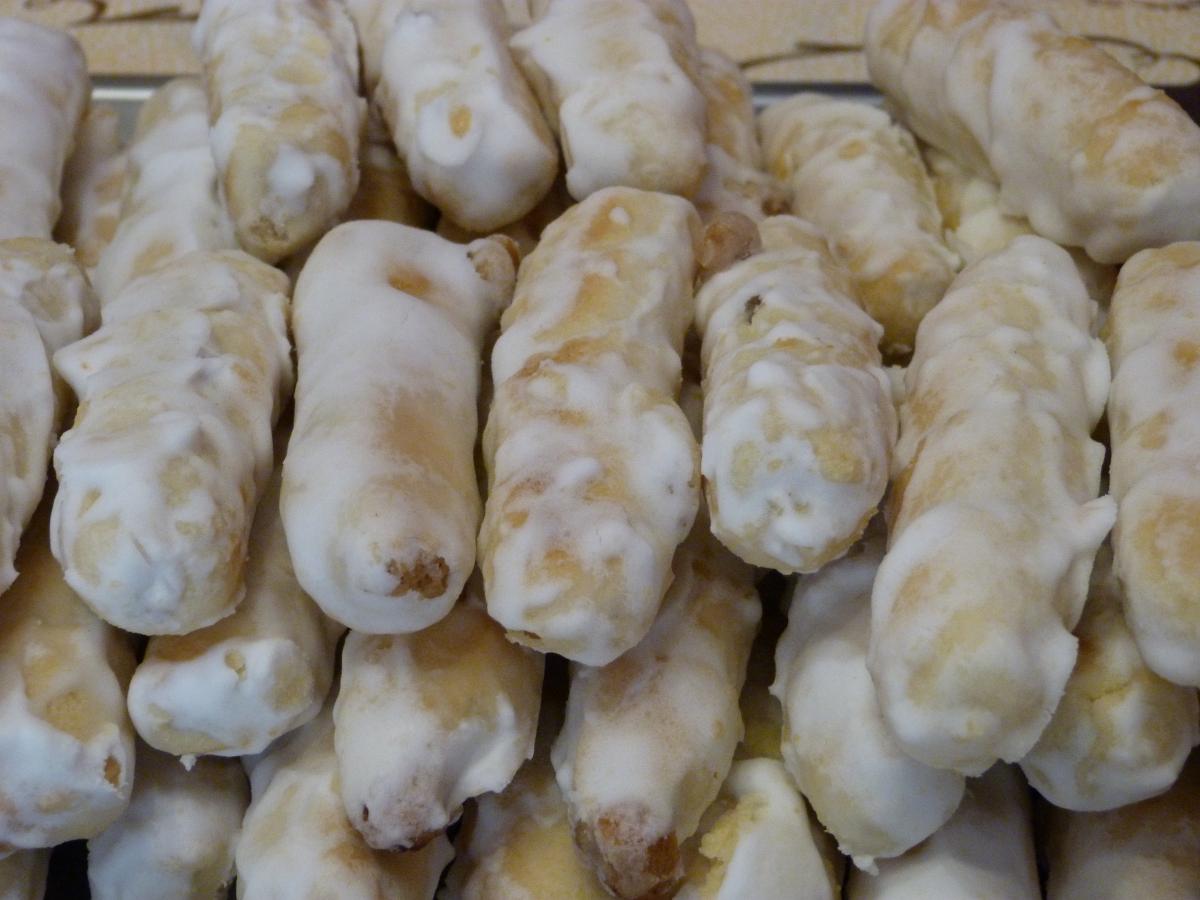
Nfasciateddi are typical sweet Sicilian biscuits of Militello in Val di Catania and are traditionally produced at Christmas time. They are made with flour,...

Festivals 

After thirty years, the Festival of the Mostarda and Prickly Pear (Sagra della Mostrada and Ficodindia) in Militello in Val di Catania is an unmissable event...
Religious Celebrations 

A patron saint of Militello since 1788, the Most Holy Savior is celebrated on August 18th, but the festive atmosphere resounds in the streets already in the...

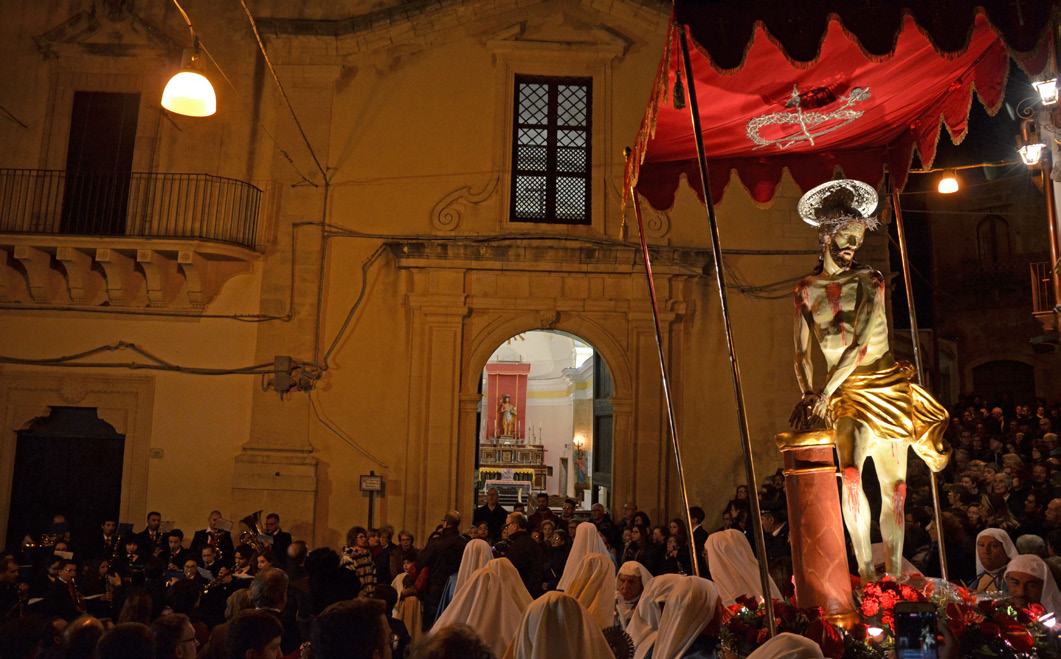
In Militello in Val di Catania, the festivities of the Holy Week begin on Ash Wednesday in the Church of Santa Maria della Stella and, after the procession at...
Countryside Experiences 

In Militello Val di Catania, the quarry where the Oxena river flows is characterized by the particular canyon morphology  and is a place of extreme...

The Vallone Loddiero is a sort of "geological book" that allows to understand the complex stratification of this area, in which the alternation of...

Churches & Places of Worship 

It was Francesco Branciforti who had the church and convent built for the Dominicans, inaugurating them in 1613. Damaged in 1693, it was restored with a...

A church with a reclusori already existed in the early 1500s. Used as a boarding school for spinsters, the monastery was granted to the Benedictine nuns. The...
Archaeological areas 

The archaeological area of ​​Santa Maria la Vetere in Militello Val di Catania will surprise you with its beauty. It includes the Church of Santa Maria La...
Archaeological museums 

The Museum is named after the militellese painter Sebastiano Guzzone (1856-1890) and built inside the former Convent of the Dominican Friars. The Militello...
Art museums 

The Museum of Sacred Art “San Nicolò” is located in the crypts of the mother church and contains the treasures of 7 churches of Militello. It was established...

The museum of contemporary art Antonio Cannata in Militello Val di Catania was opened in 1985 and it is a collection of over 100 pieces of art. Antonio...
Particular museums 

The Municipal Library “Angelo Majorana” of Militello in Val di Catania is named after Angelo Majorana (1865-1910), deputy of the Kingdom of Italy and Minister...
Architecture and monuments 

This elegant Iatrini-Troja Palace dates back to 1771 and was commissioned by the Baron Reforgiato di Linziti. Note the elegant wrought-iron balconies,...

Niceforo Palace is one of the most splendid examples of civil architecture of the Baroque age of Militello in Val di Catania. It was built during the 1700s...

Town Ambassador
Discover your italian Roots


Subscribe to Newsletter

Discover a territory through the emotions of the people that have lived it.