Arpino. Violin Making Museum

Arpino was famous for its violin-makers, especially the master of stringed musical instruments Luigi Embergher during the second half of the nineteenth century.

Since 1938, the activities of the teacher continued with his pupil Domenico Cerrone. So, the laboratory Embergher, founded in 1880, in Morelli Lane remained active until the fifties.

The Embergher-Cerrone workshop had fifteen employees and was specialized in making ‘Roman’ type mandolins. In its heyday it could produce about a hundred instruments a month each of high harmonic and aesthetic quality. Many instruments have achieved prestigious international awards.

The Violin Making Museum of Arpino (Museo della Liuteria di Arpino) was created just to remember and bear witness to this past glory. Inside, in addition to valuable documents, musical instruments are displayed and the production stages are documented with the machinery and equipment used.

powered by social2s
Arpino. Archaeological Museum of the Wool Industry

Ever since Roman times, Arpino has been known as an important centre of wool production so that the church of Santa Maria of Civita was built on a pagan temple dedicated to Mercurio Lanario. Craftsmanship was organized within families, each of which had looms and spinning wheels.

With the Industrial Revolution of the eighteenth century this activity changed, the factories were built thanks to British and Dutch technicians, and the city became one of the main centres in Europe for production of woollen fabrics.

In 1744 Charles III of Bourbon was so proud of the achievements that he came to visit Arpino and the Arpinati factories, transferring to some of them the title of "Royal Wool Mill" and he started a protectionist policy. The visit of Charles III is also remembered on a plaque in the church of Santa Maria della Civita.
In 1850 in Arpino thirty-two woollen mills operated employing half of the 15,000 inhabitants of the city population.

The decline came with the unification of Italy when many industries were moved to the north and the mills began to close. The last one went out of business shortly after the Second World War.

The museum tells this story and displays antique equipment from the ancient Diodati woollen mill. The pieces of machinery are reconstructed to document all stages of production.

Machines on display are: a wool scourer, three carders, a yarn twister, a warping machine, four looms.
The original powders for dyeing fabrics are also on display. Fabric dyeing had been one of the strengths of Arpino industry that also housed a school for the teaching of dyeing techniques.
 

powered by social2s
Gerano. The Infiorata Museum of Gerano

The Infiorata Museum of Gerano preserves the historical records of the Infiorata and all activities related to its realization.

Infiorata is a traditional Italian event occurring during the celebration of Corpus Domine. In many towns, people covered the roads with flowers' petals representing figures and pictures telling stories. During the the religious procession, the priest and the pilgrims pass over the petals. This way of celebrating the day started during the Baroque times and one of the first creator was the famous architect Bernini.

The museum exhibits from historical documents, tools and descriptions of old techniques used by Infioratori Masters up to the remarkable photographic material of today.

Photographs that testify to the importance of Gerano, which comprise the arrangements made on the occasion of 150th anniversary of the apparitions in Lourdes, Metropolis in Rome, the 50th Anniversary Ferrari, etc ..
 

powered by social2s
Museum of the Tin Boxes

The Museum of the Tin Boxes in Gerano shows more than 1,000 cans from raw materials produced from 1890 up to the 1950s. The boxes were mostly for sweets such as biscuits, chocolate and cocoa.

Through these stories of boxes of cookies you can read the fashions and styles of generations: the first period of nineteenth century industrialization passing to the monarchy, fascism, Italian African campaign, the war in Europe, the postwar period and ending with the economic boom.

In the earliest boxes they showed with pride the "factories" with chimneys smouldering but now they show pristine nature. The names of the products follow history and you pass through Victor, Margaret, Helen and Savoyards, then come to Dux and ‘Balilla’.

A pack of biscuits from 11 March 1929 signed by Gabriele d'Annunzio, who writes a special appreciation to the biscuits he deems best compared to some famous British competitors.

powered by social2s
Priverno. Museum of Mathematics

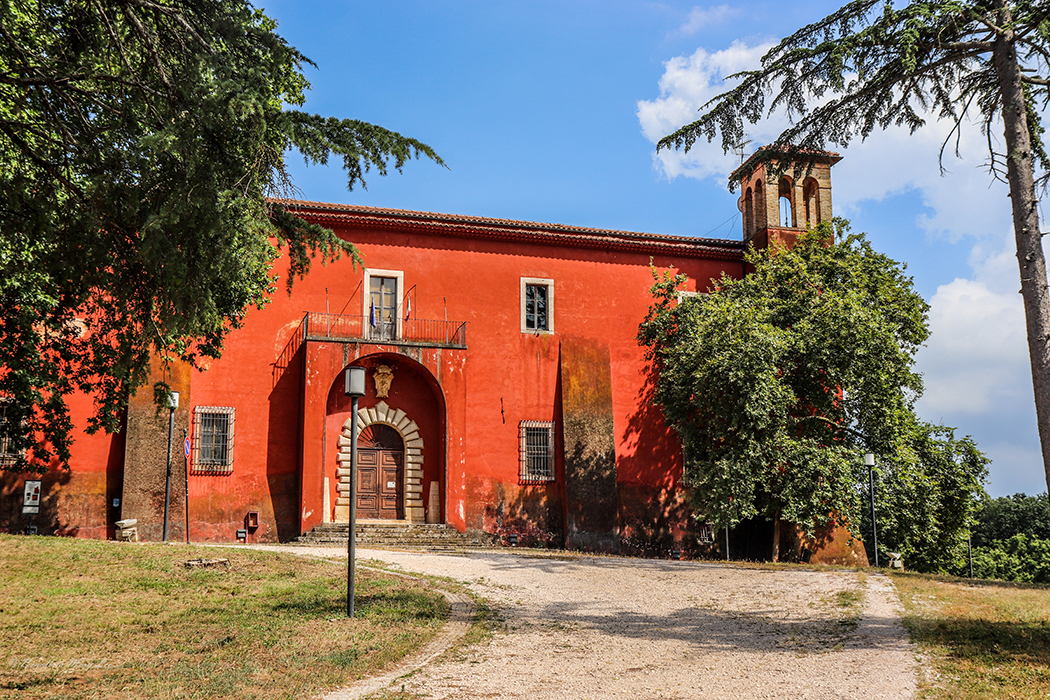
The mathematics museum of Priverno is housed in the massive castle of San Martino, built by Cardinal Tolomeo Gallio in the sixteenth century.
The castle is located at the centre of a 32-hectare park with cork oaks. In the museum there are displayed many instruments that have made history in mathematics and visitors are welcome to play with these tools.
 

powered by social2s
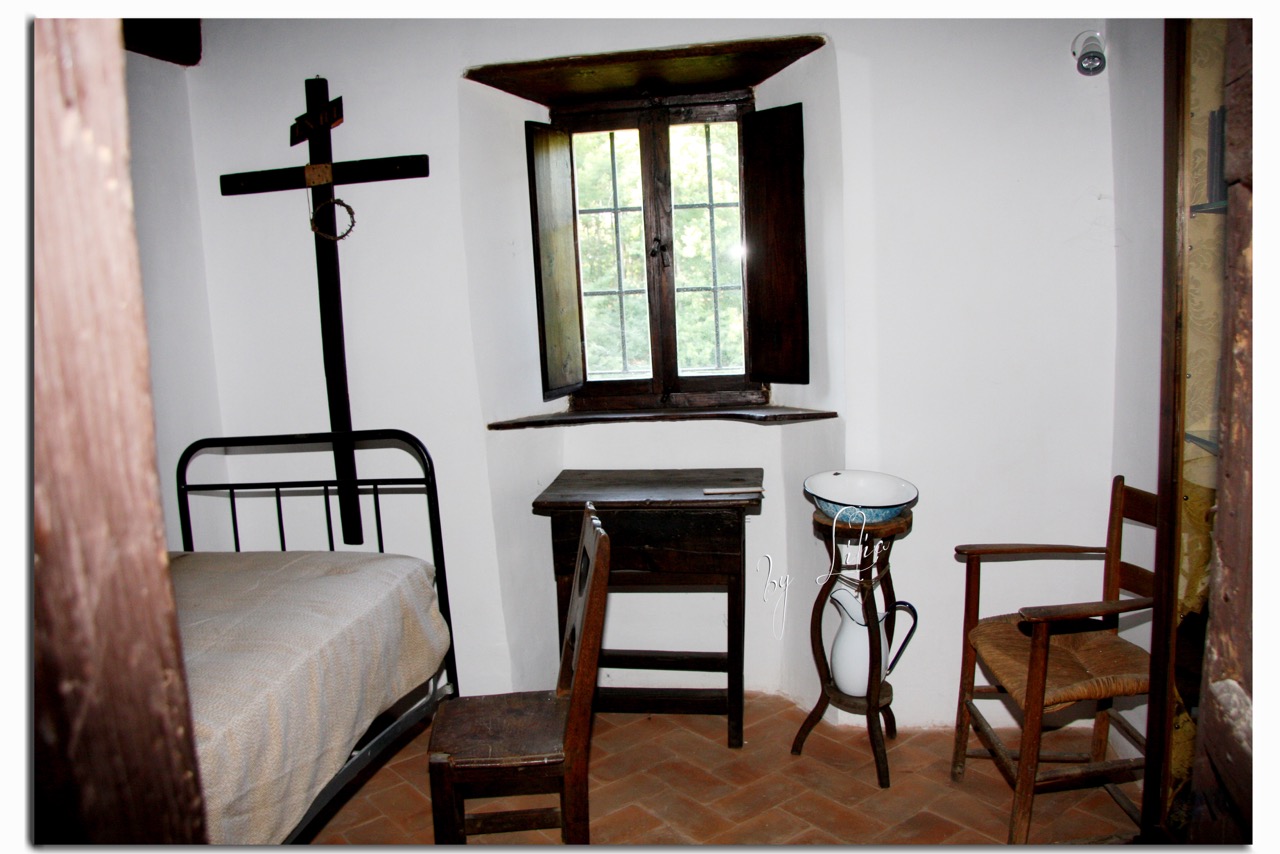
Una cella del convento San francesco- Museo

The Franciscan Museum is located in an aisle of the important monastery of St. Francis in Bellegra. It shows objects related to the monastic life, testimonies of popular religiosity and documents dating back through the whole period of operation of the convent.

The monastery is the last stage along the St Benedict Way before Subiaco (Sacro Speco) and hosts pilgrims and people who need to rest and to contemplate the beauty of nature.

powered by social2s

The Museum of Rugby Mud and Sweat is one of the most important in the world and is located in a palace in the historical center of Artena.

It was established in 2012 by a group of enthusiasts including major players of the Italian national team.

The museum houses over 1,500 jerseys worn by leading players from around the world plus over 15,000 memorabilia.

A section of the museum is constantly on tour in Italy and abroad to promote the sport and culture of Rugby.

A part of the Museum's collection was exhibited in London during the Rugby World Cup.

The museum works closely with the other museums around the world and receives international delegations such as the visit of the director of the Museum dedicated to the New Zealand All Blacks.

powered by social2s

Subscribe to Newsletter

Discover a territory through the emotions of the people that have lived it.