


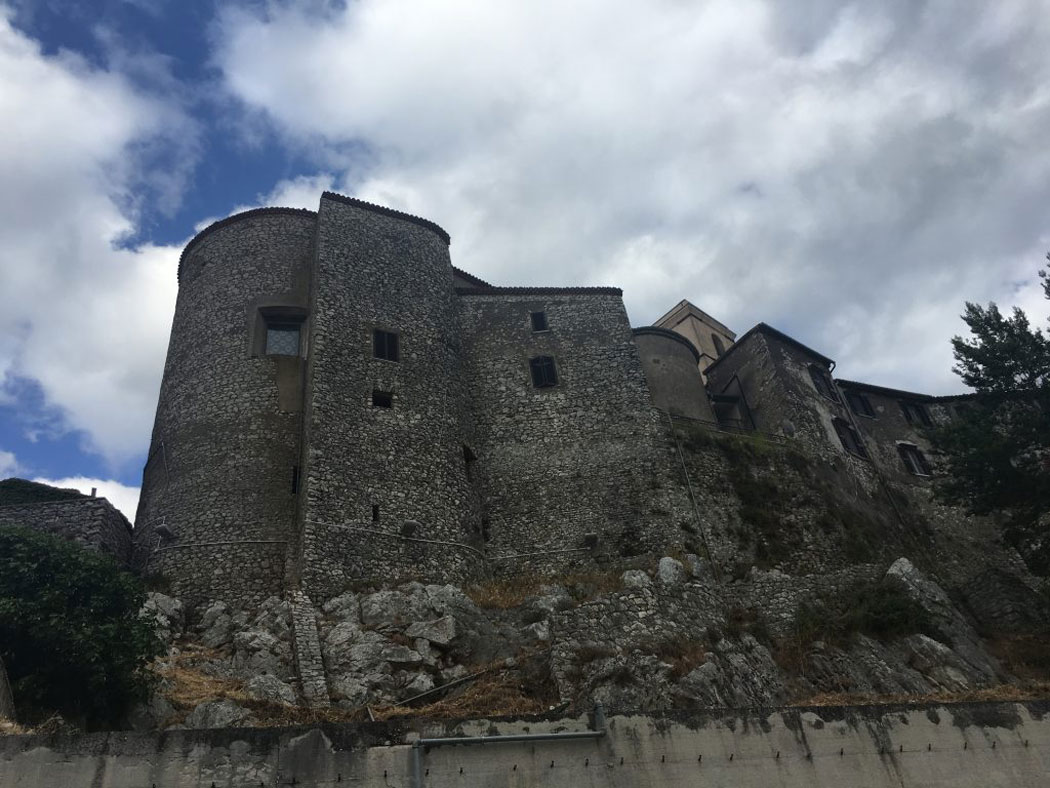
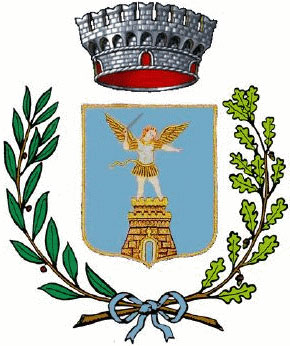
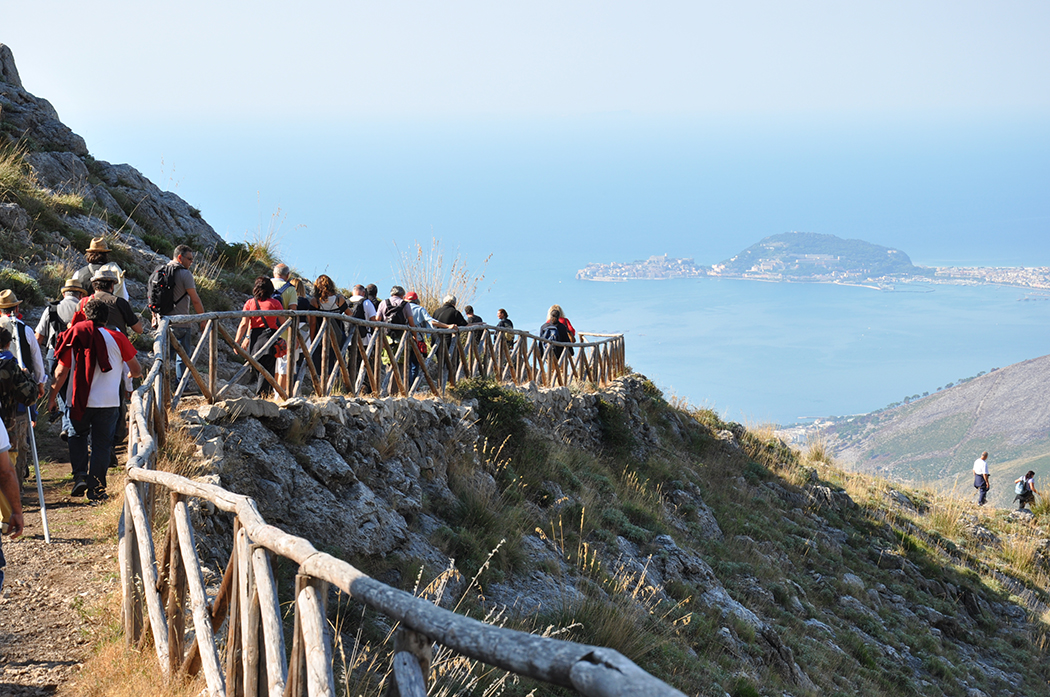
Rocca Massima is located on a high hill at 735 meters offering incredible views of the Pontine plain and the Tyrrhenian Sea, to the Alban Hills, and the Sacco Valley.
According to some scholars the ancient Arx or Carventana (Jaruentum) stood here, being that mentioned by the Roman historian Livy in his History of Rome. This theory could be validated by the remains of ancient polygonal walls in "Lubro", "Monte S. Angelo” and “La Selva”. Due to its advantageous location, the Romans built a lookout point on the mountai and a road system linking Roccamassima with downstream areas.
For the same reason, Innocent III, Pope of the family Conti of Anagni, authorised Pietro Annibaldi to build a 'castrurn', i.e. a fortress or castle. From this action the future village assumed the name of Roccamassima.
In the thirteenth century the fortress changed feudal lords and passed to Malabranca families and in 1260 to Giovanni Conti who bought it along with the Giuliano Castle, that of Artena and of San Silvestro.
At the end of the fifteenth century, Roccamassima had become an autonomous community governed by a Board made up of a Governor appointed by the Duke, from two Contestabili (to resolve disputes) and 24 councillors chosen from among the heads of families. The community managed autonomously some municipal assets, such as the tavern, the butcher, the delicatessen and two ovens. The profit from the assets and local taxes allowed the community to meet a large part of the costs for the territory.
In 1557 it was occupied by the troops of the Duke of Alba in the war between the papacy and the empire, between Philip II and Pope Paul IV. At the end of the sixteenth century the community was extinguished and the Salviati family took over and ruled Roccamassima until the eighteenth century, when the family was combined with that of the Borghese princes. In 1808 Camillo Borghese sold Rocca Maximum to the Doria Pamphili princes.
During the Napoleonic domination, with the abolition of feudalism by imperial decree of August 2, 1809, Roccamassima became a free commune.




Follow us