The Museum of Via Cornicolana in Guidonia Montecelio is located in the crypt of St. Mary's Church in the area of Setteville.

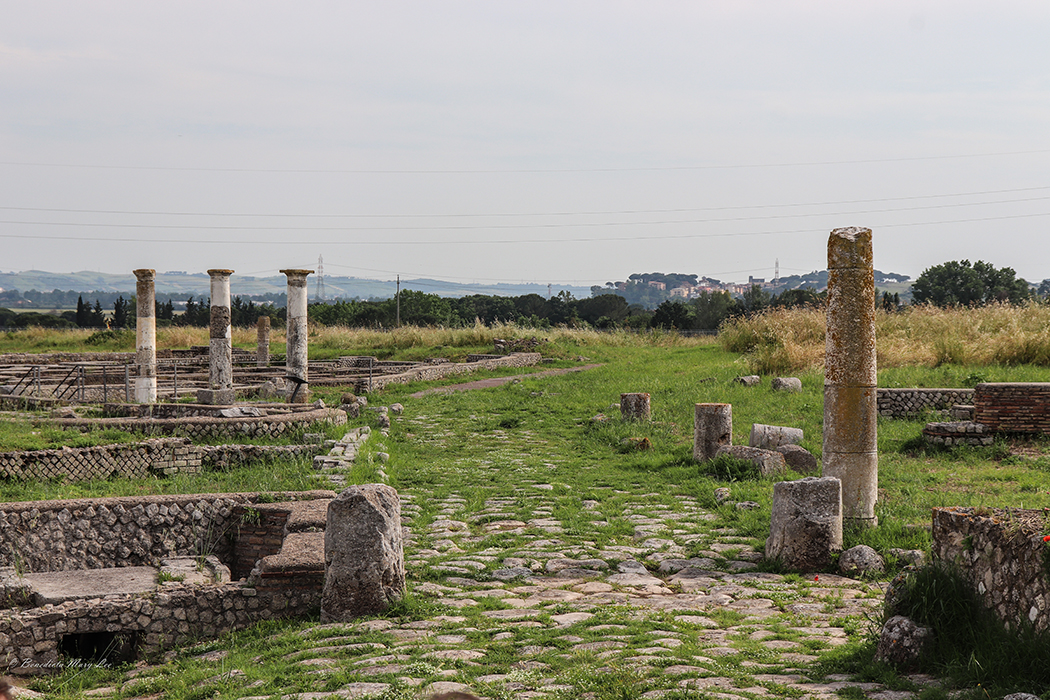
In Setteville passed the route that went to Sabina (in the north east part of Rome) and it was discovered part of the ancient Roman Gemina Via Tiburtina.

In the crypt are also preserved many ancient artefacts from the area.
 

powered by social2s

The Archaeological Park of the Imperial Ports of Claudius and Trajan is in the area that today is in the countryside of the city of Fiumicino.

In the first century A.D. the Emperor Claudius ordered the design of a new port centre for Rome and the realization of this huge project took about twenty years of hard work. The port was at the end of Tiber River i.

The large mooring harbour was extensive but shallow and soon began to silt up. To rectify this the Emperor Claudius around the year 100 created a new artificial dock dug deeper into the coast.

The dock had a hexagonal shape, with sides of 335 meters and the lake that was formed is still visible from all of the air passengers.

The area of the two ports has become part of an archaeological park and the surrounding area is a private naturalist oasis that can be visited (Oasi di Porto).

powered by social2s

The Villa Dei Volusii of Fiano Romano is inside the ‘Service Area - Feronia West' on the stretch between Raccordo and Roma Nord on the Autostrada Del Sole.

The family of Volusii of Saturnini arrived in Rome in the first century BC and was a very powerful senatorial family. This is one of the largest Roman villas discovered in the area and it is almost completely excavated and restored.

The complex dates back to 50 BC and underwent numerous improvements and expansions until late in the empire. The Volusii encouraged the settlement of Lucus Feroniae colony. Around the fourth century, the house was abandoned and the site was reused as a religious building, a fortified village and finally a farm.

The villa has two levels separated by a cryptoportico (covered passageway) and has the appearance of a model 'domus urbana’ (suburban villa). The beautiful floors are perfectly preserved, with mosaics in geometric patterns then finished with flowers, birds and various symbols.
 

powered by social2s

The Terme Taurine of Civitavecchia (Taurine Baths) are located on a hill with a beautiful view of the sea. The complex is divided into two areas: the Republican Baths (dating back to the first century B.C.) and the Imperial Baths (around 130 A.D.).

The baths complex is located on a hill, about 4 km east of Civitavecchia, with a splendid view of the sea and includes two areas: the Republican Baths (dating back to the 1st century BC) and the Imperial Baths built by Trajan, the emperor founder of Civitavecchia, around 130 AD and expanded by emperor Adriano.

The baths have been described in the travel diary of the poet Namatianus in 426 AD during the story of his journey from Rome to Gaul. Namatianus tells that their name derives from a legend according to which a bull (normally assimilated to a deity) would have scratched the earth before starting a fight, and in that point a source of sulphurous hot water with beneficial properties would have sprung. In reality the waters come from a small lake at the foot of the Mondi della Tolfa (mountains that were source of alum mines) which took the name of Aquae Tauri (Trajan Waters).

From the excavations it seems that already the Etruscans had started to build spas to enjoy the hot water, but the real structure began in the Roman period of Silla.

The thermal complex occupies an area of about 2 hectares and it is possible to clearly distinguish the different functions of the environments in the two thermal baths (republican and imperial): from the changing rooms to the different thermal areas such as the hot water pools (calidarium), the parking areas (tepidarium) and the cold water pools (frigidarium).

All the rooms were richly decorated and some stretches of mosaic pavement can be seen, while the sumptuousness of the structure is distinguished above all in the area of the pool of the imperial calidarium surrounded by brick columns, which were originally covered in coloured plaster.

Lovers of technology can recognize all the ingenious water and space heating system through underground passages, pipes, double walls between which passed the hot air feeding the furnaces of some areas of the baths and underfloor heating. A particular space near the Frigidarium was dedicated to sand scrubbing and sweat baths obtained from the presence of sand warmed by the sun.

In the baths complex you can also find the remains of a library with an adjoining porch and rooms for conversations and meetings.

A curiosity is a small bell tower in Romanesque style that indicates the presence of an ancient church that dates back to 600 and of which only the perimeter walls remain. The little church had been built inside one of the ancient Roman structures and was dedicated to Saint John.

The feelings associated with the hot thermal waters of Civitavecchia and their therapeutic properties, so dear to the Romans, can still be experienced in the current Terme della Ficoncella (Ficoncella Spa).


powered by social2s
Archaeological Area of Trebula Suffenas

Trebula Suffenas is an ancient Roman town located at a road crossroads at the foot of the current village of Ciciliano. The Roman city was among the most important and was placed at the passage of the routes that came from Abruzzo and which brought meat and wool to Rome.

The city was narrated by the poet Martial and at the time of its maximum splendor it was equipped with a forum and thermal baths. Many objects of daily life and important tombs have been found, such as that of Agrippa, son-in-law of Augustus.

A splendid black and white mosaic floor can be seen originally placed in the baths and which is being restored to be located in the Ciciliano civic museum.

powered by social2s
Capena. Lucus Feroniae

Locus Feroniea is an important archaeological site in Capena near the Fiano Romano motorway exit. The sanctuary was born in the third century BC and was dedicated to the ancient Goddess Feronia, protector of freedwomen, the slaves of Roman matrons.

The sanctuary was first frequented by the Etruscans and the Sabines and then became part of Rome during its first expansion into the territories to the east. Locus Feroniae was reached by the ancient Via Tiberina which followed the course of the River Tiber.

The excavations of the ancient Roman city have revealed the remains of a rectangular forum onto which a basilica, two temples and a pedestrian boulevard with tabernacle, stores and shops. From the mosaics found in stores you can trace back to the type of activities that took place.

At the center of the court apparently, there was a statue of the emperor. The city was also equipped with an amphitheatre with a capacity of about 5000 people, with attached baths frigidarium (cold pool), tepidarium (warm pool), caldarium (hot pool) and a school.

The museum of the excavations retains a large number of high-value artifacts with statues and inscriptions. The excavations of the town that are bordered with those of Villa dei Volusii, which is located within the Servizio Feronia Ovest dell'Autosole (gas station) (at the Fiano Romano exit).

powered by social2s

Forum Novum in Torri in Sabina was one of the most important roman cities in the Sabina province, north east of Rome. The Archaeological Area is next to the Sanctuary of Saint Mary of Vescovio which was built on an ancient pagan temple.

The oldest archaeological findings date back to the period of the Sabines, although the Romans have the merit of making this a very important area, as evidenced by the remains of the Forum Novum market town. Forum Novum dates back to the second century BC and it was built on a terrace between the Via Flaminia and the Via Salaria.

The ‘novum’ name comes from the fact that there was a more ancient market of Sabina origin.

As is clear from the epigraphs, the city became a municipality during the empire. The inscriptions also recall an aqueduct, built by a private citizen, which fed a fountain and spas.

They have been revealed vast areas of the town inhabited: the forum, the basilica, some shops, a temple and along the road there are funerary monuments and arches of an aqueduct.
 

powered by social2s
Norma. Ancient City of Norba and Polygonal Walls

The ancient city of Norba rises on a plateau not far from the modern city of Norma.

A visit is of particular interest for the mighty "Ciclopiche" walls in polygonal arrangement and the suggestion of natural beauty.

You enter through Porta Maggiore still visible, while only traces of the other Ninfina, Signina and Serrone di Bove gates remain.

Norba is dominated by two acropolis on two hills, conventionally called "major" and "minor".

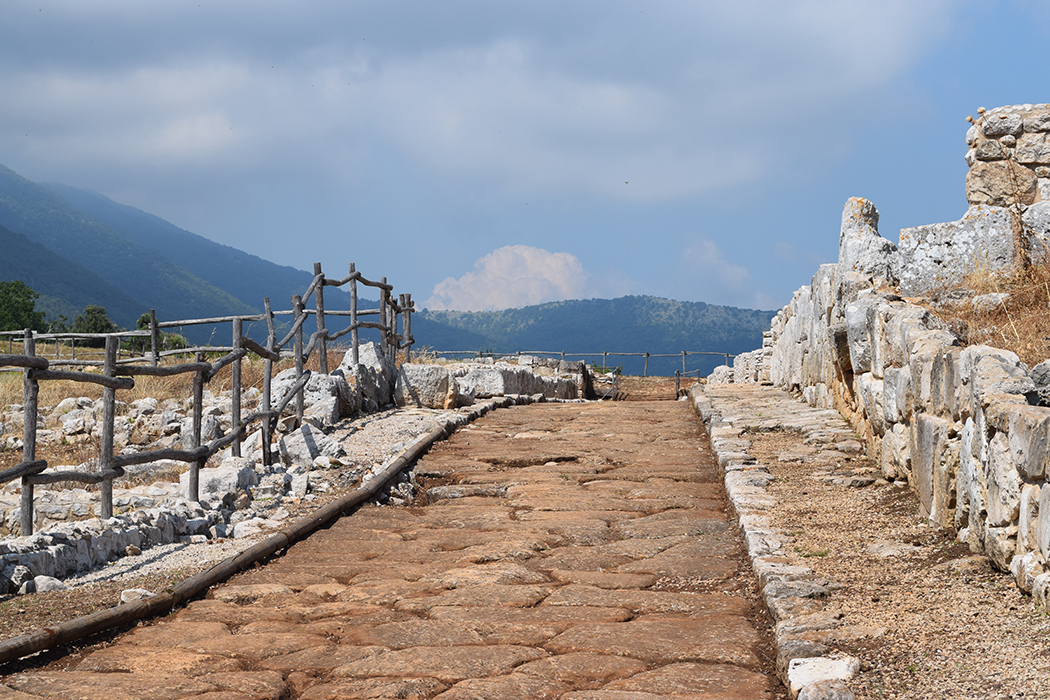
The structure of the city is recognizable and the roads are well preserved and passable.

The ancient Roman baths are present and visible, as well as cisterns, wells, ambulatories and underground passages.

powered by social2s

Subscribe to Newsletter

Discover a territory through the emotions of the people that have lived it.