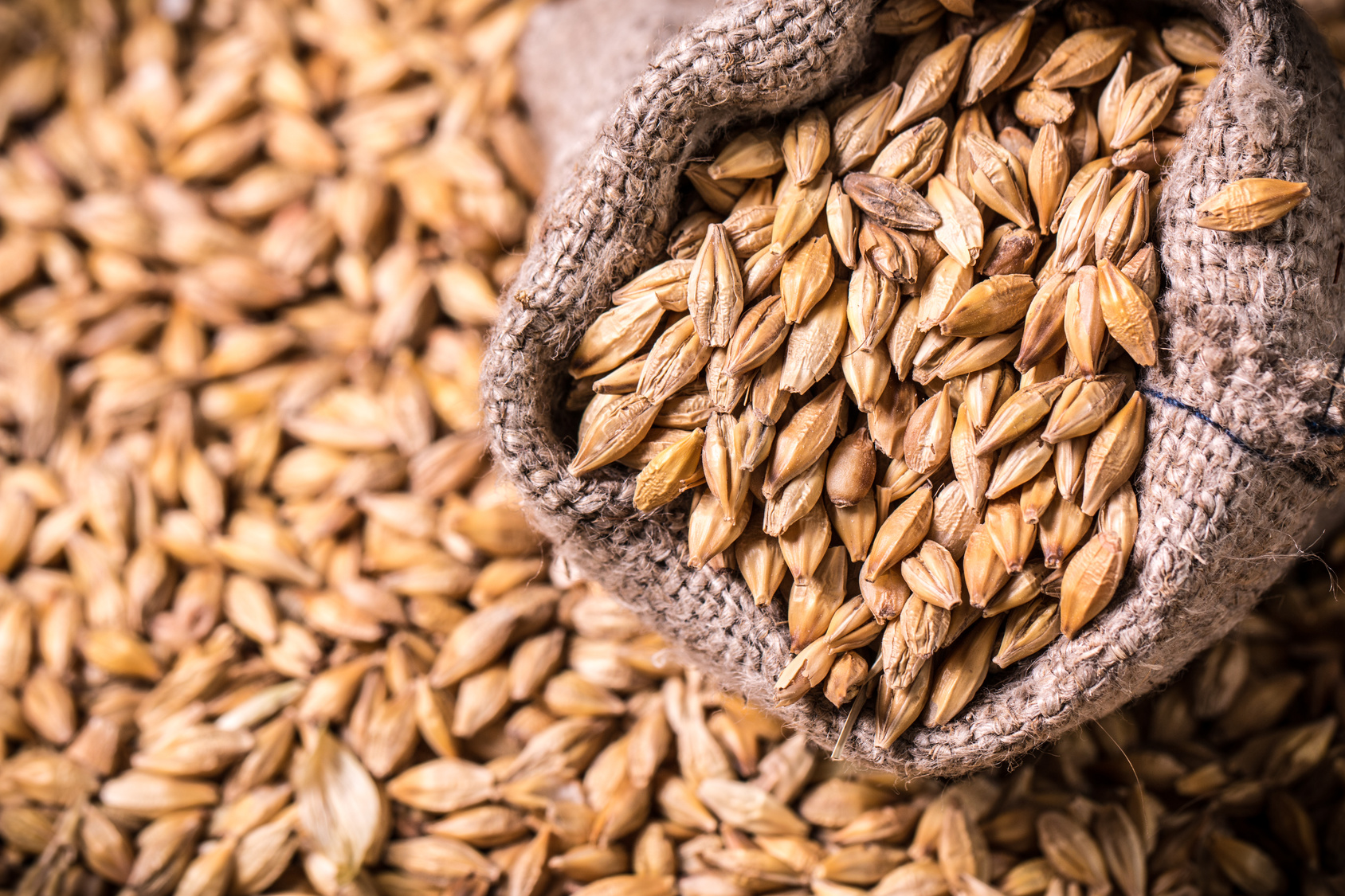
Ardea. Emmer Farro

In the Archaic period, XI-X century BC, the area of Ardea were already known for the abundant production of emmer (farro).

Surpluses were sold or bartered with neighbouring peoples and with the merchants who arrived by sea.

In the Aeneid, which ends with the arrival of Aeneas in this area, Virgil dedicated praise to the focacce (cake) of farro. These were made in a mould of a tray in a way to contain the food.

Cakes and soups of farro were the main diet of the Roman legionaries who have trained here before embarking with Octavian for the conquest of Egypt.

The farro of Ardea was praised by Apicius in his ancient recipe: "... farro with honey added, bean meal and fish meal, you get a meal worthy of the Emperor's table". Farro breads and cakes in the shape of a human form were votive offerings to local deities (a custom still found in Frascati).

The expansion of the Roman Empire also altered eating habits and it began to import grain, a type of wheat originally from Middle East countries.

Farro was still used locally for religious and therapeutic use.

Today it has become famous again as a substitute against many food intolerances.

powered by social2s
Craft beers
Craft beers

Some guys from Arcinazzo Romano have created the Maese Beer firm of craft beers, the only ones that make you feel the scents of the territory. They make three types of beers adding local products to give the final touch: a Blanche with einkorn wheat, an Irish Red Ale with chestnut honey and an IPA with Agostinella corn.

The production of spelled and chestnuts is typical of Arcinazzo Romano, while the Agostinella corn is typical of nearby Vallepietra.

powered by social2s
Allumiere. Chestnuts

The Allumiere forests have for centuries nourished the inhabitants with their most delicious fruit: chestnuts.

No coincidence that the chestnut tree was called 'the Bread Tree' and chestnut flour could make up for the lack of other flours because it made both sweet and savoury dishes.

In addition, the wood of the tree was prized for the buildings, for the fireplace and for the tannin used in leather tanning.

For wellbeing, chestnuts have energetic and mineralising properties and are good for blood circulation and rheumatism.

In Allumiere every year, the Chestnut and Yellow Bread Festival (Sagra del Pane e della Castagna) is held.

powered by social2s
Queen Bean
Queen Bean

Once beans were a essential dietary element for the people of Agosta whose lands are best suited for this crop when watered with the Aniene waters.

The name "Queen Bean" (Fagiolo Regina) comes from its delicacy that makes it worthy of being the food for a 'Queen'.

In October, the Queen Bean is celebrated with a festival.

powered by social2s
Cesanese di Affile o Affile DOC

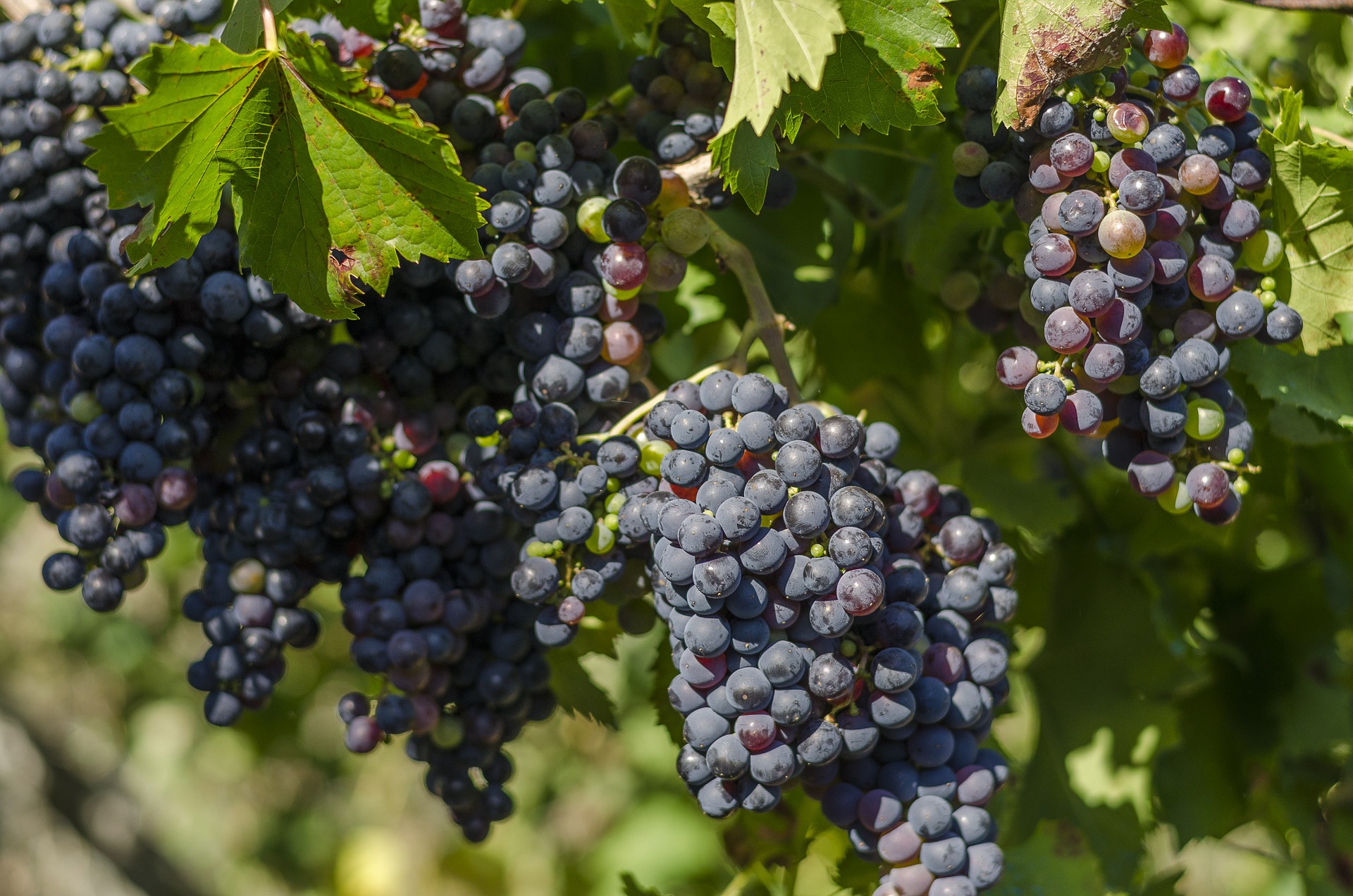
The first cultivation of the Cesanese di Affile vine dates back to the Roman colony when vast hilly areas around Affile were stripped of trees to plant the vines.

Today Cesanese di Affile grapes are used to produce Cesanese del Piglio DOCG Wine, the only red wine in Lazio with this appellation.

The term cesanese means 'to cut' and probably is referred to the cut of trees to plant vineyards.

The coat of arms of Affile is just a branch of a vine of black grapes with an asp coiled along the trunk.

The grapevine was a very important element in the economic life of Affile and this wine was also popular during the Middle Ages in the neighbouring Benedictine monasteries.

It is said that women of Affile wrapped up cuttings (young plants) as a dowry when they married someone of the neighbouring countries.

In the thirties the Affile Cesanese won the gold medal as the best wine in exhibitions in Paris and Brussels.

powered by social2s
Affile. Sagnozze pasta

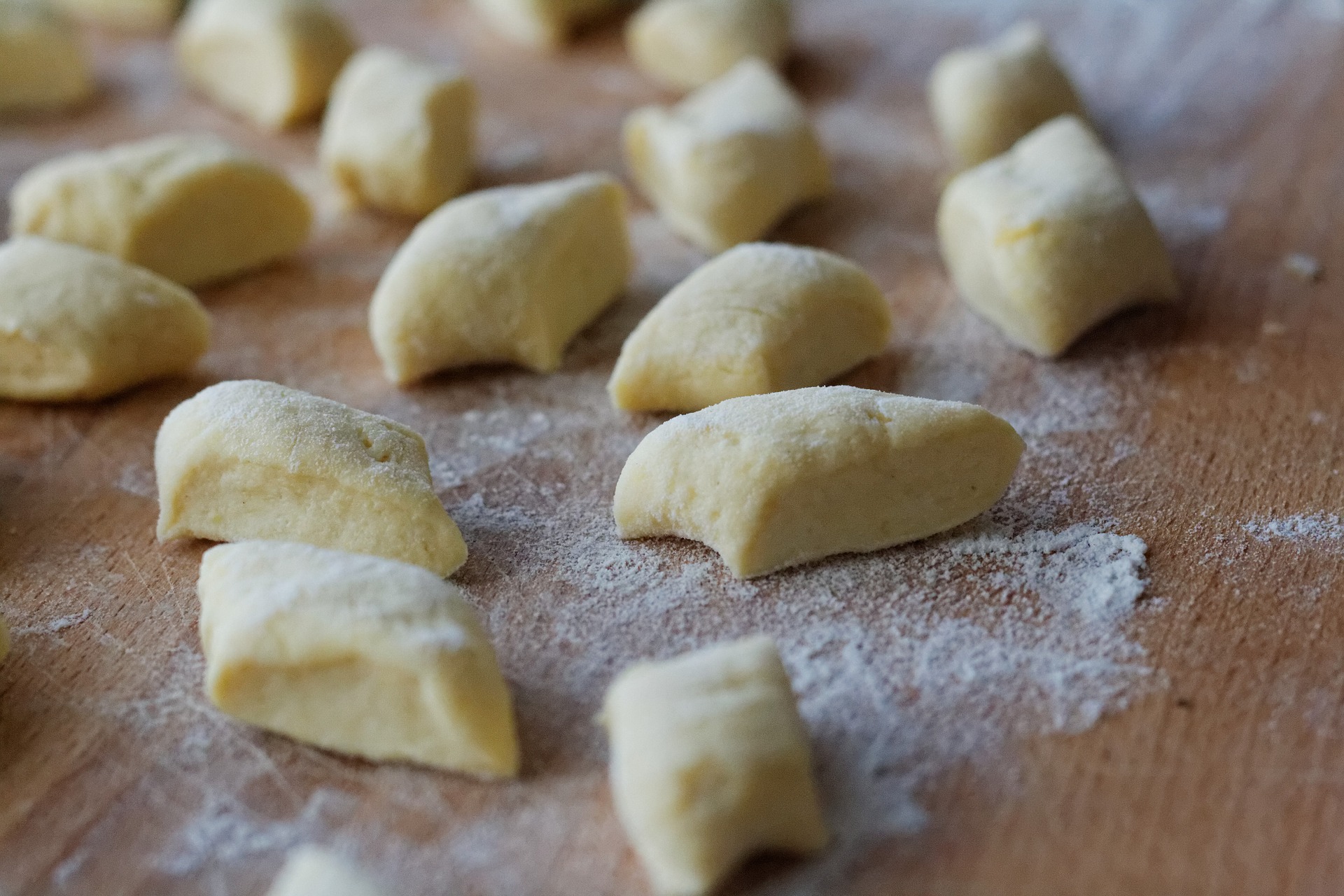
One of the typical dishes of Affile are the sagnozze, a typical pasta that takes up the peasant tradition. Its recipe is simple and based on water, flour and salt which are kneaded, cut into strips, and eaten during the day.

The traditional condiments are with tomato sauce but also with sheep or wild boar ragù.


powered by social2s
Pasta Amatriciana

Amatrice gave its name to the famous 'amatriciana sauce' typical of Roman cuisine.

It was originally prepared by shepherds in the mountains when they followed their herds.

The ingredients are: bacon, cheese and spaghetti (the recipe of 'Grice') to which only later added the tomato.

The internationalisation occurred in the nineteenth century when many ‘Amatricians’ emigrated down to Rome because of the crisis and found employment in catering by making known their typical dish: the ''amatriciana".

The first historical amatriciano restaurant was opened in Rome in 1860 by Luigi Sagnotti near Piazza Navona.

The fame of the Amatrician cuisine was so great that it became the city of Popes cooks.

powered by social2s

Subscribe to Newsletter

Discover a territory through the emotions of the people that have lived it.