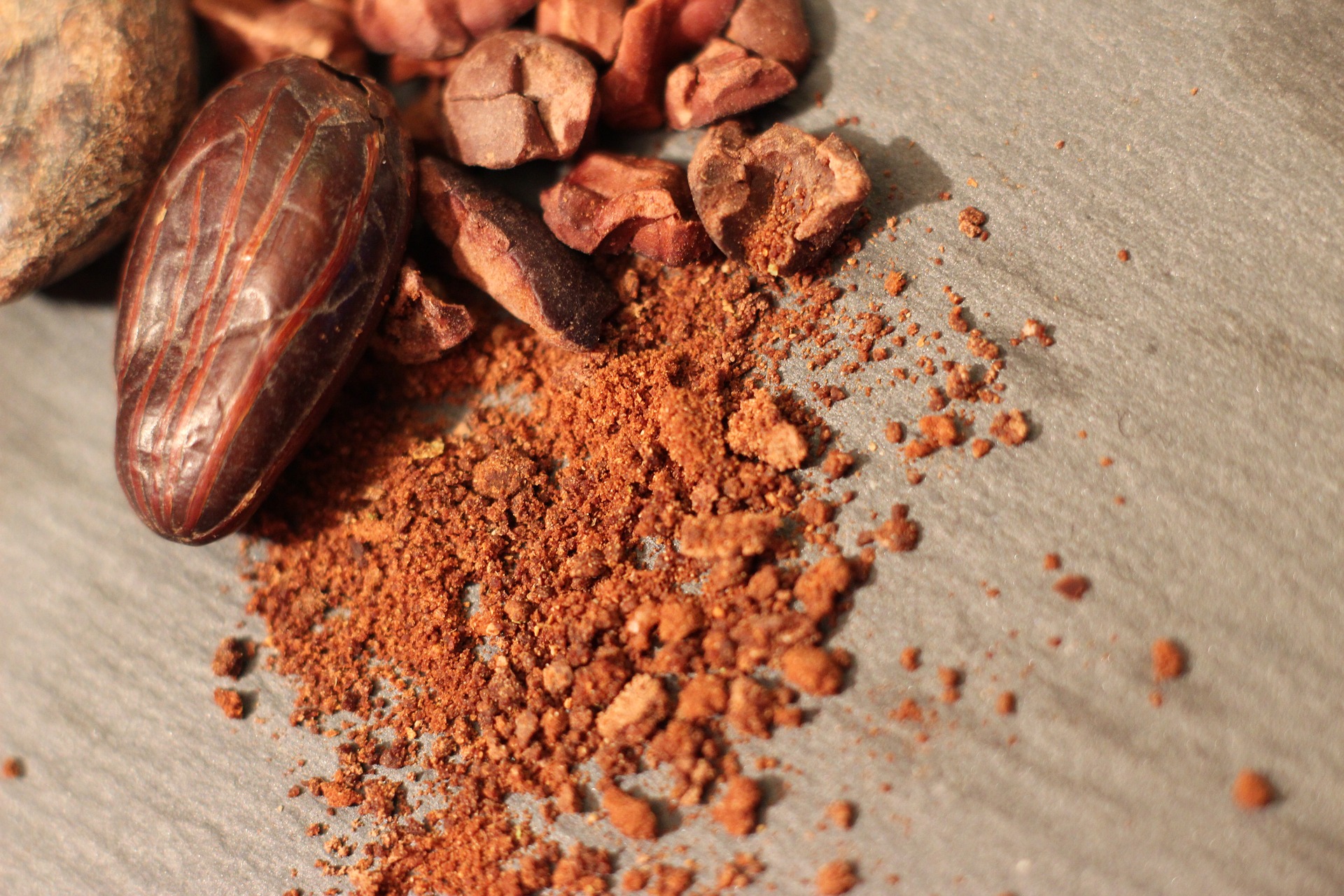
Labico. Raw chocolate
- Benedicta Lee
- Category: Typical products
- LAZIO • ROMA • Labico
In Labico, Daniele dell’Orco produce excellent ‘raw’ chocolate from selected raw materials and certified organic, fair trade cocoa and hazelnuts IGP.


In Labico, Daniele dell’Orco produce excellent ‘raw’ chocolate from selected raw materials and certified organic, fair trade cocoa and hazelnuts IGP.

Pinciarelle is a traditional handpasta of Guidonia Montecelio. Ir is made with water and flour kneaded by hand and worked into a 'thick spaghetti'.
It is topped with a simple sauce of fresh tomato just seared and with the local pecorino cheese and basil leaves.
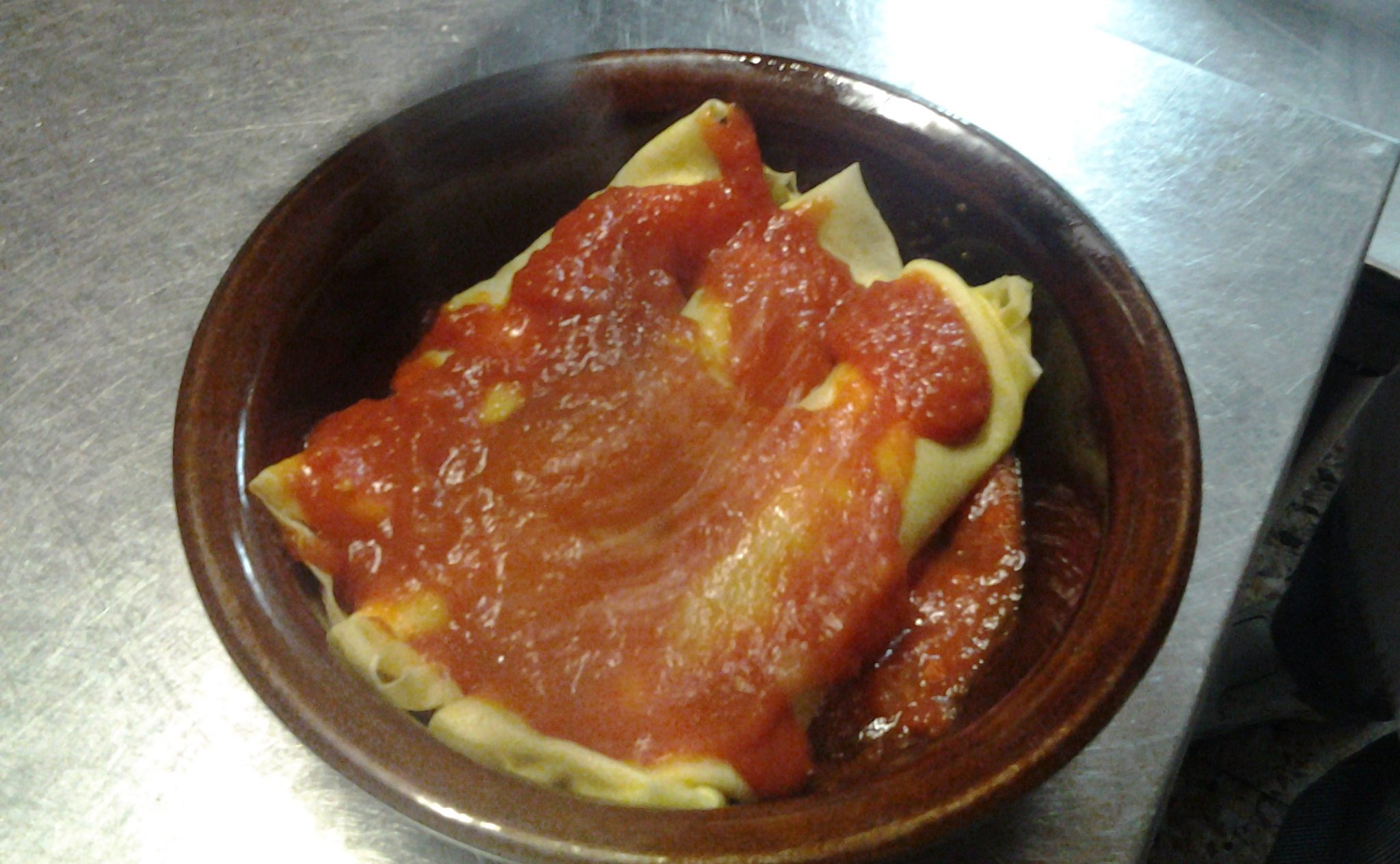
The Stracci (translate ‘rags’) of Formello is a first course dish very famous.
It look like cannelloni, and are rolled dough containing a filling of meat sauce, or gravy meat.
The pasta, however, is done with the omelettes and flour.
Probably the name derives from the fact that, by serving the portions, the compound will "waste", i.e. break into many parts.
The preparation is complex and the dish is prepared during the festive holidays.
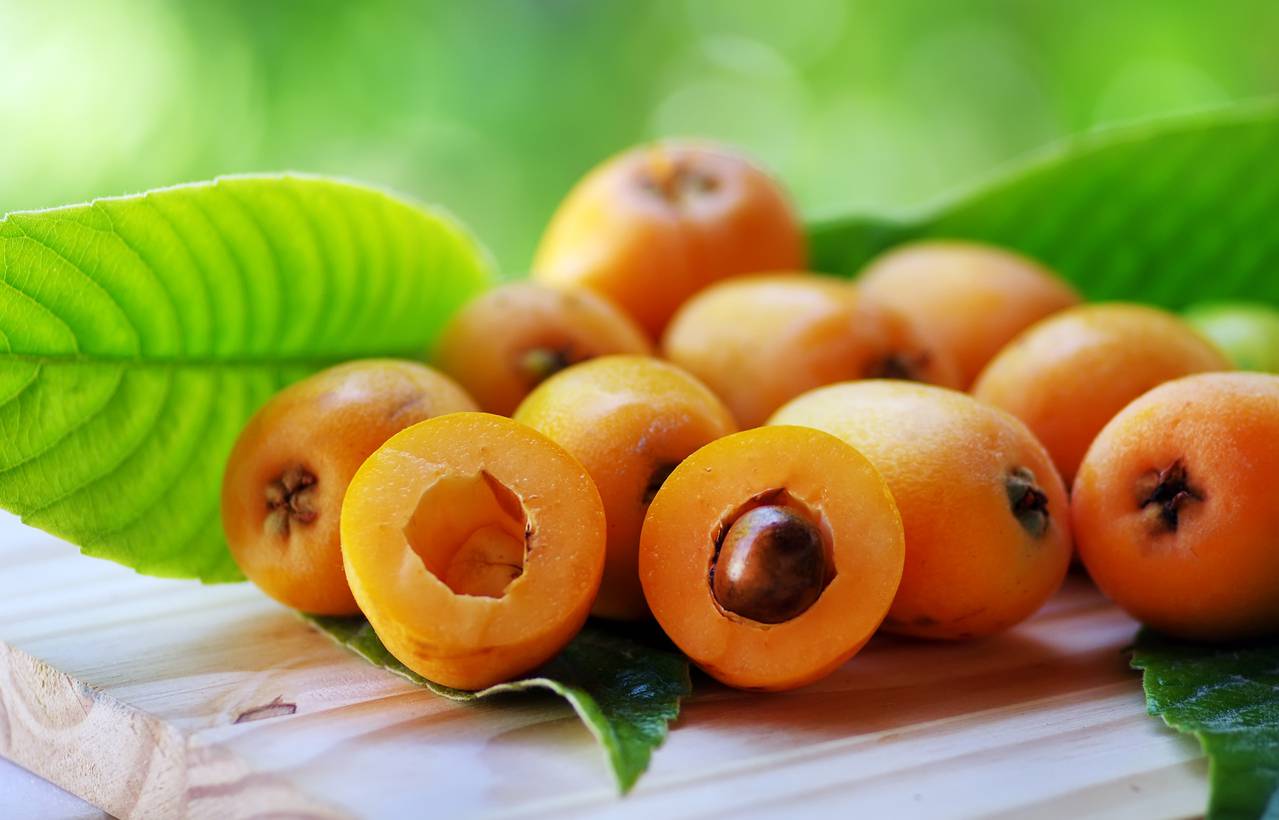
The Porsaraghi are a fruit similar to the crab apple, but with smaller and sweeter fruits.
The name is used mainly in areas north of Rome (Formello, Morlupo, Sacrofano).
The Porsaraghi Tart of Formello is a traditional dish during Pentecost.

Mustaccioli are sweets with diamond shape and are covered with a chocolate glaze.
These sweets are typical of Campania and Lazio and are prepared during the Christmas period and their name comes from 'must' which was used in the past instead of honey.
They are characterized by soft dough, flavour of honey, cocoa, hazelnuts and candied fruit.
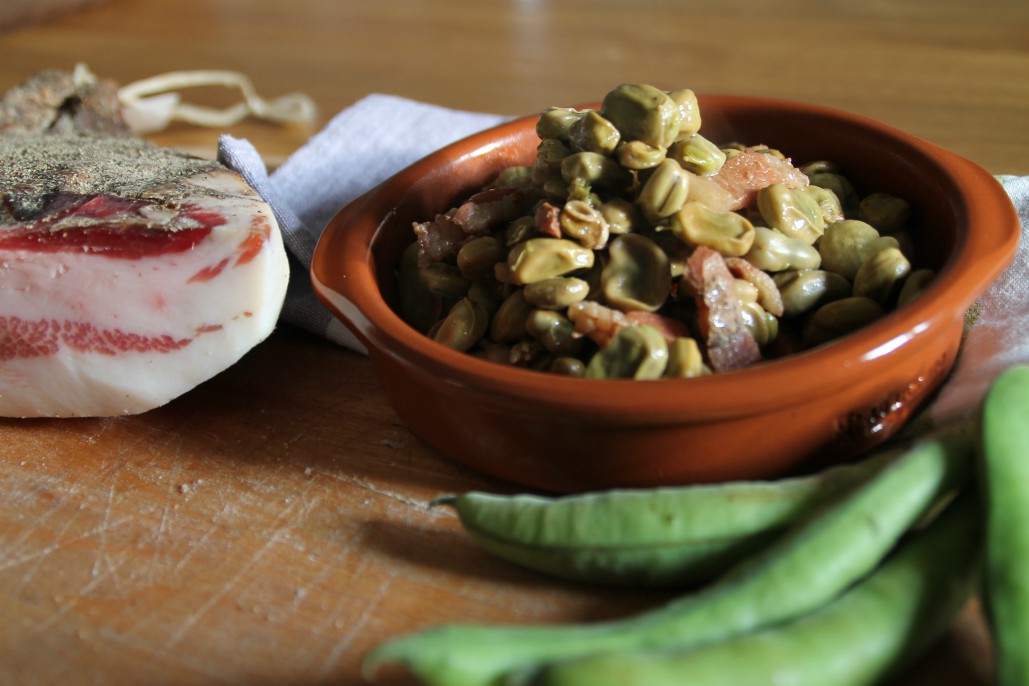
Scafata is a typical vegetable dish of the areas between Lazio and Umbria and in Filacciano. Today it is mainly used as side dish.
It is a spring recipe based on fresh vegetables, such as onions and fennel, broad beans (Fave) and flavoured with bacon.
To emphasize the importance of the bean, the town of Filacciano celebrates the ‘Sagra delle Fave col Pecorino’ (Feast of the Fava Bean with Pecorino).
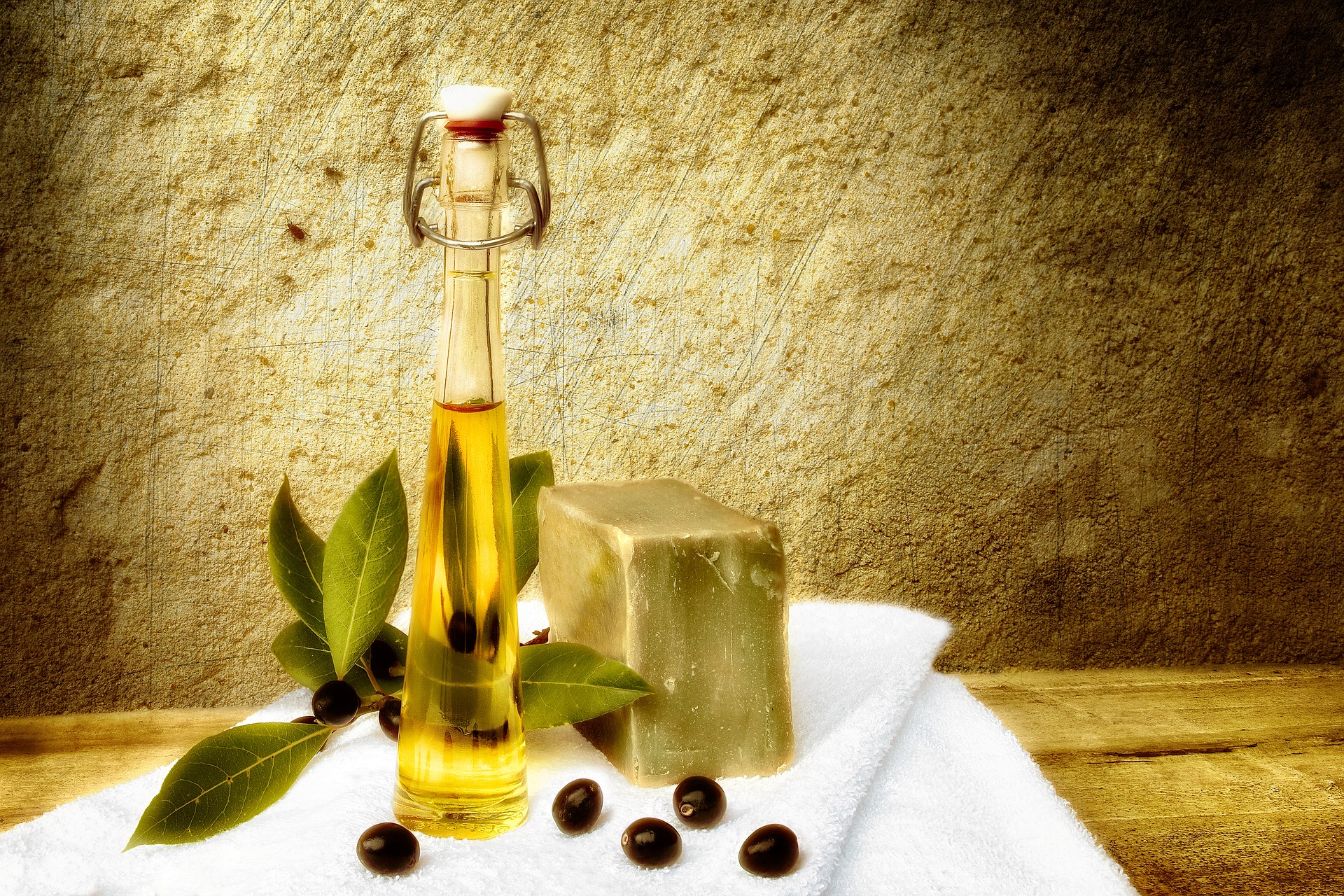
This special Single Variety Sirole Olive Oil from Fiano Romano comes from the Sirole cultivar, a variety present in Mount Soratte.
It has a characteristic color from yellow to light green and a light fruity smell. The aromatic flavor is fruity sweet, slightly sour and spicy for fresh oils.
The presence of Sirole cultivars dates back to ancient times, and in 1568 the famous architect Vignola, in a specific letter seeking to be paid for his work with the good oil "come se usa farse in S. Resto" (as it is made in St Resto).
In 1888 the Marquis Canali participated at the Vatican Exposition, on the occasion of the 50th anniversary of the priesthood of Leo XIII, receiving an award for the quality of oil.
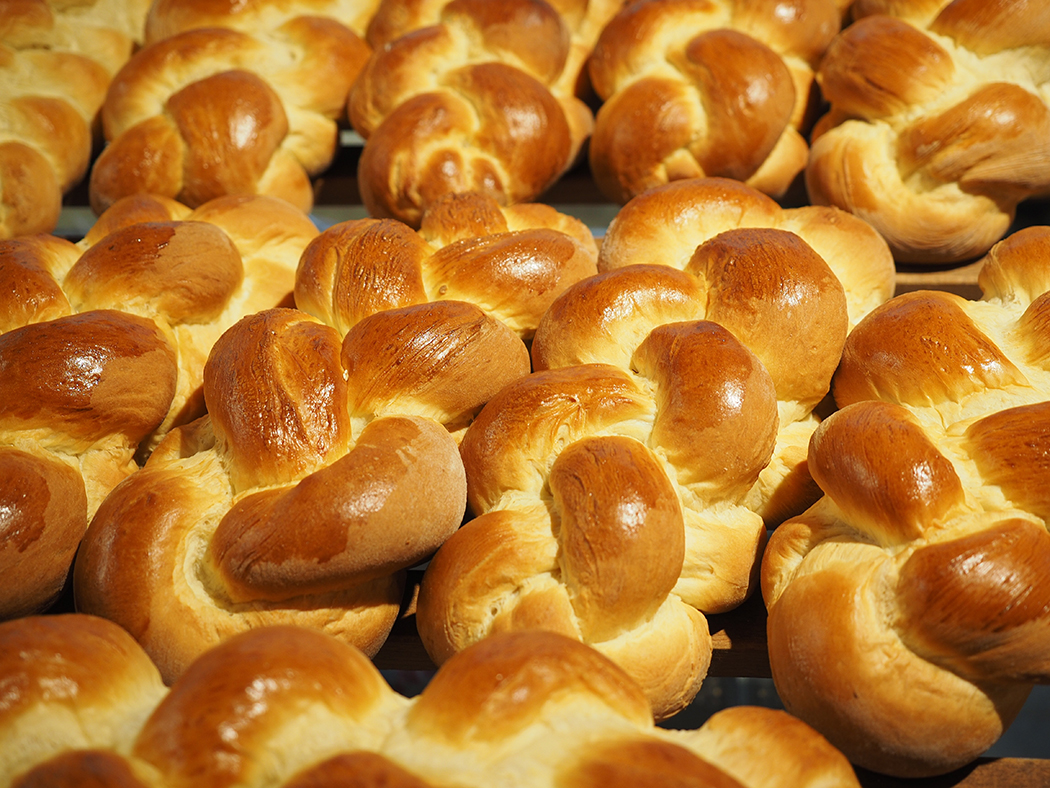
The Braided Oil Buns with Aniseed of Civitella San Paolo (Treccia all'olio con I semi di anice) is a typical specialty: a savoury bread, based on aniseed that, is given a traditional shape of a braid.
It has a smooth texture with a thin crust and a white inner pulp.
The recipe is passed down from generation to generation and the use of aniseed dates back to the Roman period.
Coming from the Middle East, anise had spread everywhere in the kitchen, to flavour meats, especially chicken and pork, but also vegetables and desserts.
It was used to make foods more digestible. Both seeds and the fruit are used.
Its flavour is sweet and persistent, reminiscent of fennel seeds with mint.
Page 33 of 71



Follow us