Civitella San Paolo. Cacione

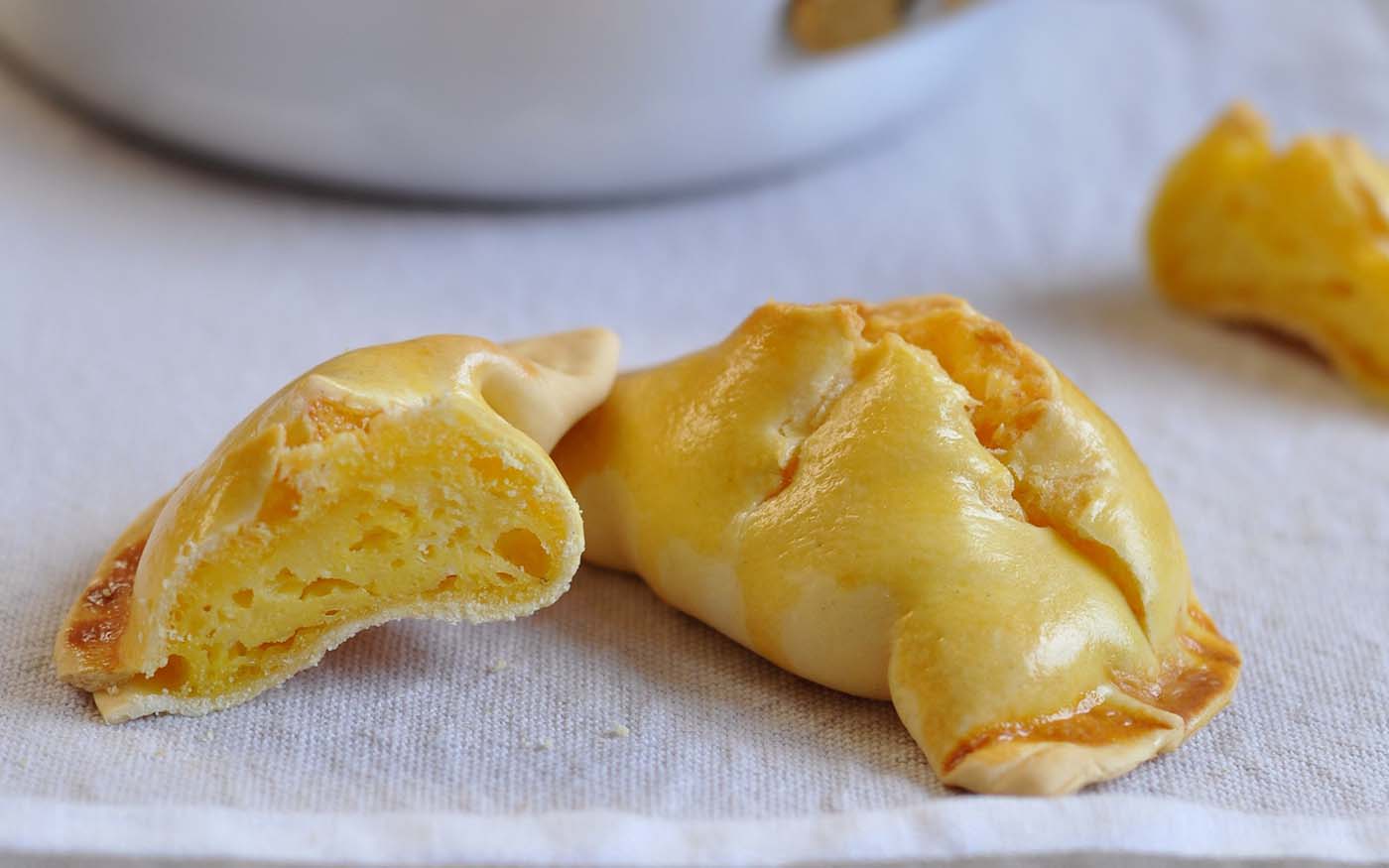
The Cacione of Civitella San Paolo is a sweet prepared on the occasion of the Christmas holidays.

It is a kind of panzerotto (ravioli-shaped) pasta in a crescent shape, stuffed with pumpkin pulp, sugar, almonds and toasted hazelnuts, cocoa powder, cinnamon, vanilla, liquor and natural flavours.

powered by social2s

The artichoke was introduced into Italy by the Etruscans and is represented in some tombs.

Ladispoli and Cerveteri are growing areas of the Roman artichoke classified as Lazio IGP.  

The volcano soil are rich of minerals which gives particular taste to the flowers and the artichoke of Cerveteri and Ladispoli are preferred by chefs.

It is also called "mammola" and it is big, with a ‘cap’ nearly round, it has little waste and is best suited to be cooked with stuffing.

Traditional recipes are: "Roman" and "Jewish-style", fried in oil with the stem upwards and crispy.

powered by social2s
Castel Madama. Spadona Pear

The Spadona Pear of Castel Madama (Pera Spadona), of the Rosaceae family, is protected heritage of agricultural biodiversity.

The Pera Spadona grows in the Agro of Castel Madama and in the foothills of Sabina.

It is known by the nickname of stuvaletta (or stualetta) since it was produced for the first time in the first half of 1800s by a peasant nicknamed "de Stualetta ".

The farmer had grafted, for proof, a common pear with another wild and hybrid nature turned out to be surprisingly rich in organoleptic and culinary quality.

powered by social2s
Capena. Capena DOC wine

White Capena DOC wine, recognized since 1975, is a wine made from Malvasia del Lazio, Trebbiano Toscano, Bellone and Bombino grapes.

The colour is straw yellow with golden shades and green highlights. The aroma is slightly aromatic, fine, distinctive.

The grapes shall have been produced in the territory of Capena and in an area that includes Fiano Romano, Morlupo and Castelnuovo di Porto.

Of fundamental importance are the human factors linked to the production area, which by tradition have helped to get the "Bianco Capena" wine.

The cultivation of the vine in these areas has Etruscan origins and the poets Virgil, Orazione and Stradone sing praises of the products of this area.
 

powered by social2s
Ravioli Cameratano
Ravioli Cameratano

Ravioli Cameratano owes its reputation to the quality of its filling made with local ricotta from Camerata Nuova.

This pasta is accompanied by meat sauce or simple sauce made with fresh tomatoes and basil leaves.

Camerata Nuova dedicates a festival to this dish.

powered by social2s
Arsoli. Arsoli Bean

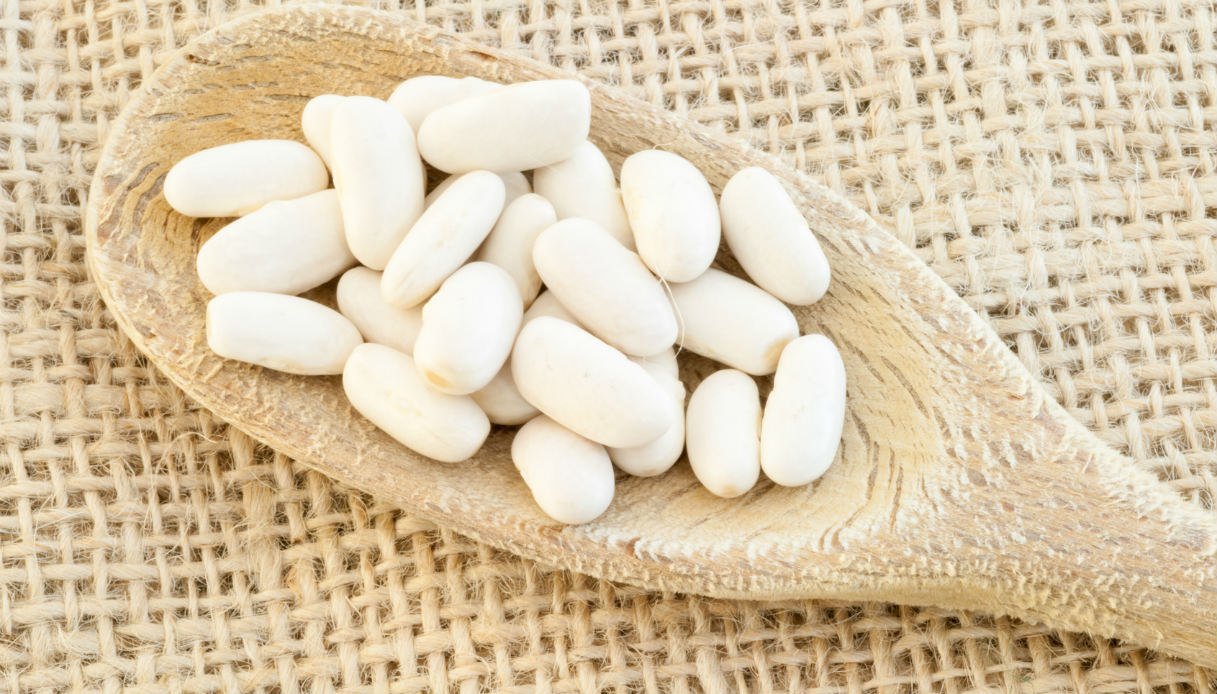
Arsoli Bean, called Fagiolina of Arsoli, is one of the first varieties of beans grown in Italy in 1552 when Charles V took them as a gift to the Pope from the Americas.

In a document from the period we find how the pope should show concern for the numerous thefts of fagiolina of Arsoli and that he had to send two magistrates.

The bean is white slightly flattened and the plant is climbing and can reach three meters and a half, and in the past it was cultivated in association with maize to harness the support of this cereal.

In Arsoli every year the Festival of Fagiolina (Sagra della Fagiolina) is held when people enjoy a Fagiolina soup in a clay pot with ciciarchiole (squares of homemade pasta) or stewed with onions, olive oil, black pepper and stale bread.

powered by social2s

Subscribe to Newsletter

Discover a territory through the emotions of the people that have lived it.