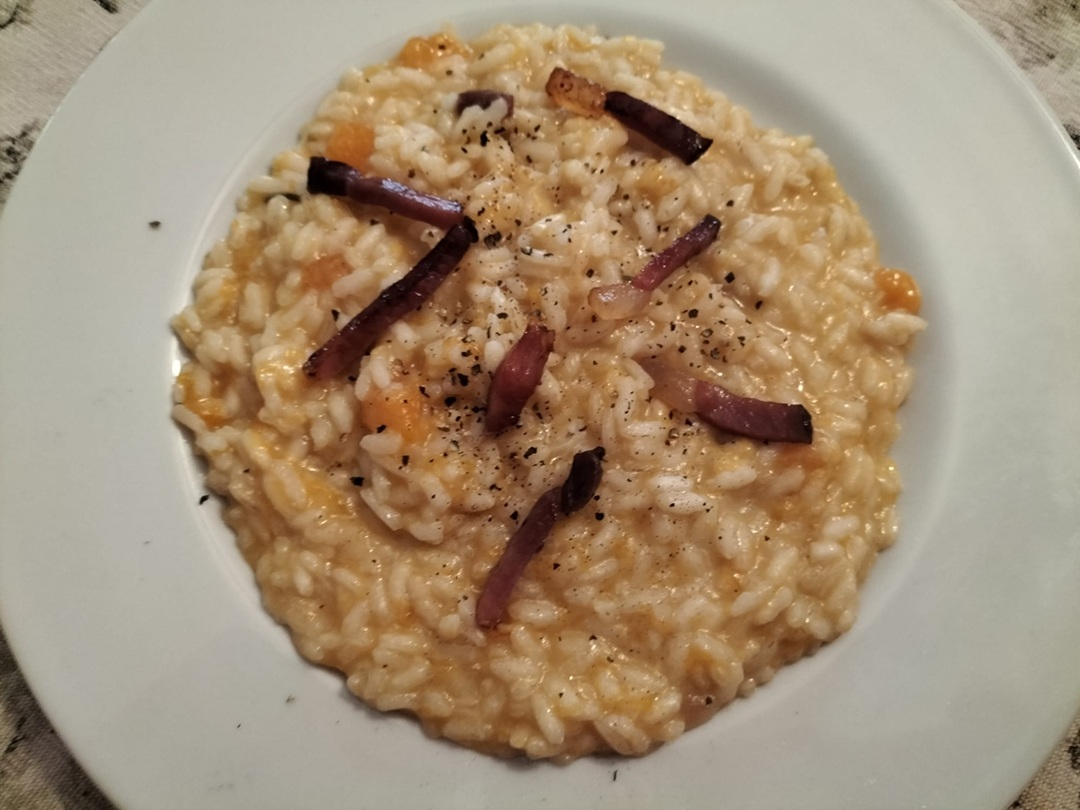
Risotto with Pumpkin, Speck, and Gorgonzola
- Vanni Cicetti
- Category: Recipes
Autumn is pumpkin season, and risotto is the perfect combination. But you have to choose the right pumpkin.


Autumn is pumpkin season, and risotto is the perfect combination. But you have to choose the right pumpkin.
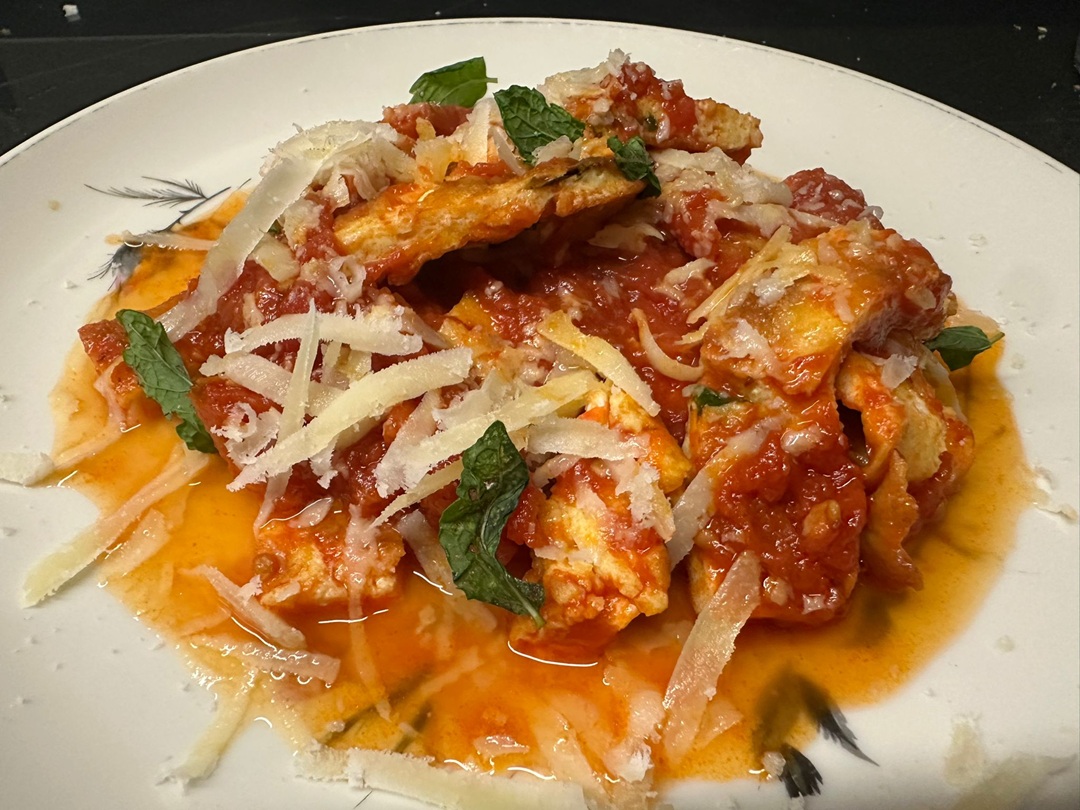
In Trilussa's time (the most famous roman dialect poet), the people weren't satisfied with a fifth/fourth that was reserved for times of abundance. So, when there was a celebration, a meal often had to be made with just a few ingredients, and one of these was fake tripe.
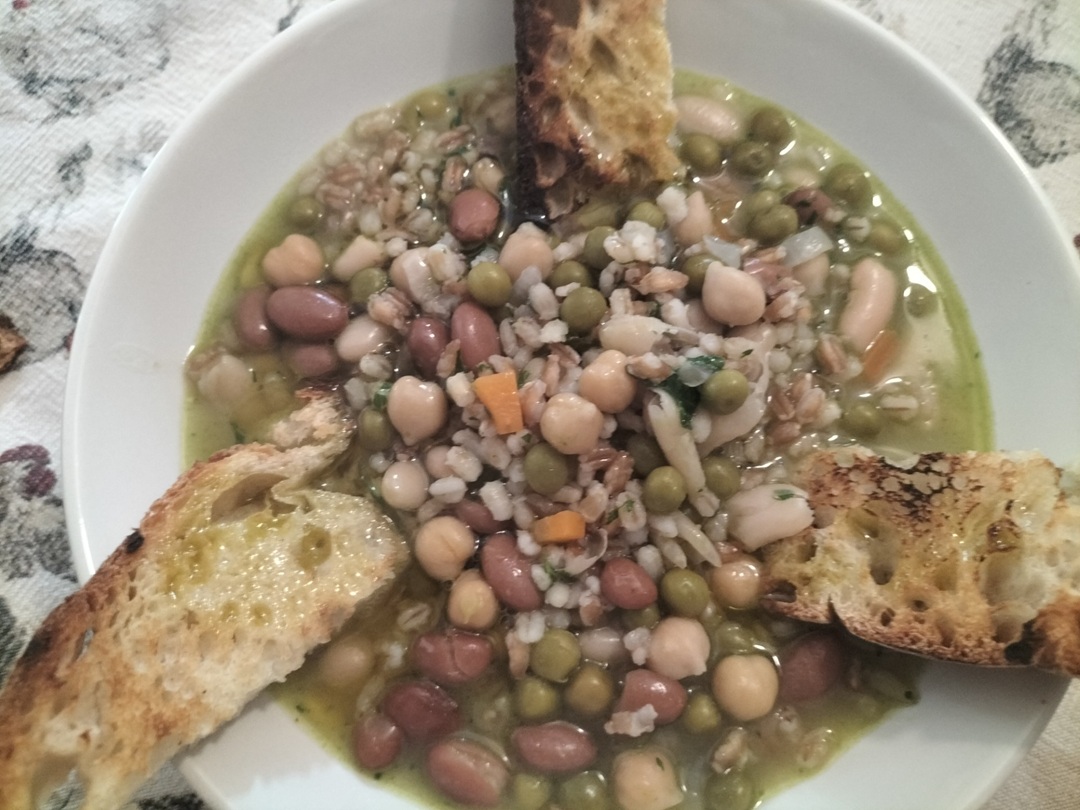
"Cicci ammaritati" are a traditional Cilento dish prepared on May Day using all the legumes and grains left over from the winter to wish for a good harvest.
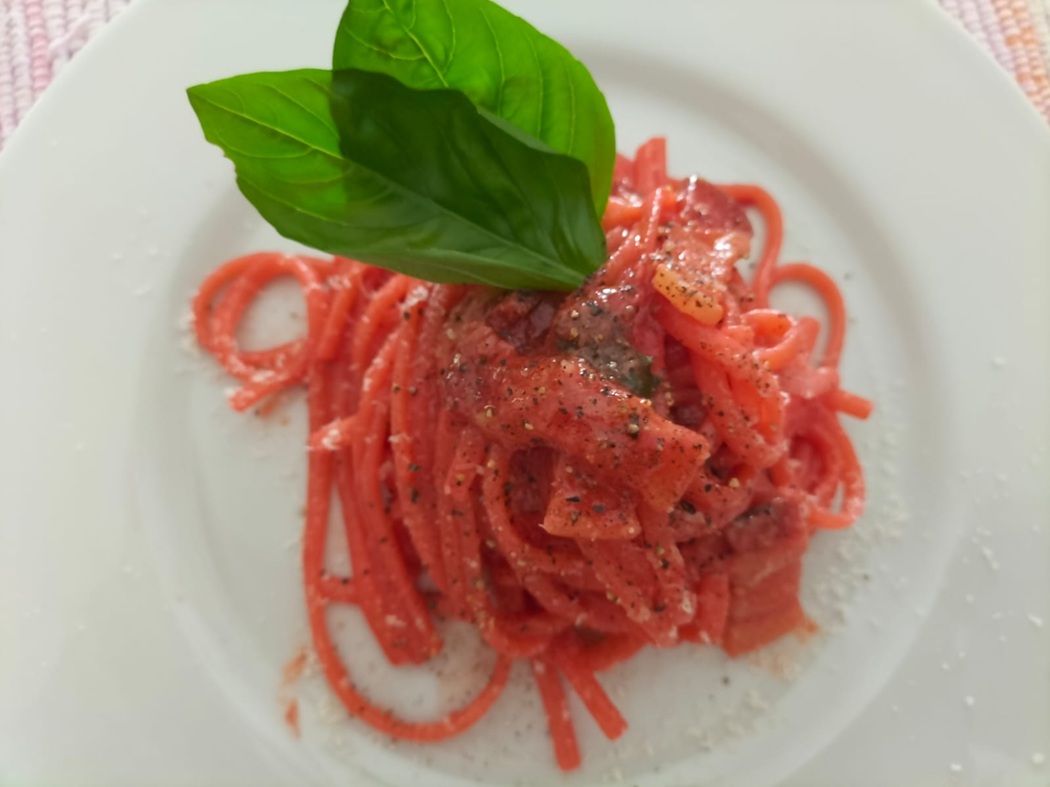
Starting in Rome, in this late summer season, country roads are lined with prickly pear plants, their colorful fruits gleaming in the sun. They are so beautiful that they are the joy of landscape painters, while the prickly pear leaves inspire ceramists and sculptors.
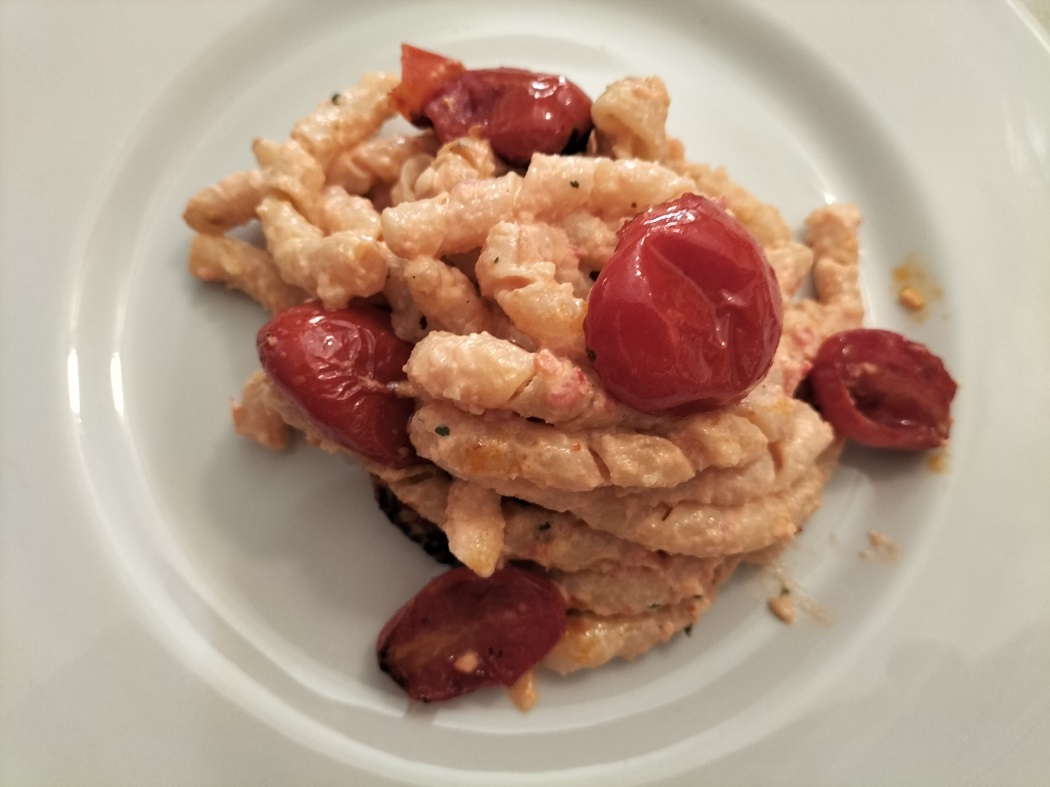
Today I'm craving the sun and Sicily, so I decided to prepare one of the famous Sicilian pastas: busiate with Sicilian pesto and confit datterini.
Busiate is a special type of durum wheat pasta native to the Trapani area. Its shape is influenced by Arab heritage; its shape is created by thin strands twisted into a spiral.
We could say it's a long fusilli, but shaped like a coil. The pasta is rolled around a sprig of buso, a native plant of western Sicily, from which its name derives.
Thanks to their shape, busiate are very versatile and add flavor to any dish; their "curls" trap the sauce between their spirals, creating a riot of flavors.
Recipe of Busiate Pasta with Sicilian Pesto and Confit Datterini Cherry Tomatoes
Let's start by making the pasta with durum wheat semolina: for every 100 grams of flour, use about 50 grams of water. Knead the dough until it forms a smooth, even ball, cover, and let it rest for about 30 minutes.
While the pasta rests, let's prepare the Sicilian pesto: take some vine-ripened tomatoes, cut them into quarters, and remove the core. Then, cut them again and place them in a blender with the basil. Obviously, since it's a pesto, it should be made in a mortar, but for convenience, you can also use a blender or an immersion blender; just don't overheat the blades.
Blend the tomatoes with the basil, then add the blanched almonds and ricotta, and, if desired, a small piece of garlic and the Parmesan cheese. Once blended, taste and adjust the consistency with salt, pepper, and oil. Separately, we quickly make the confit datterini tomatoes: pour a drizzle of oil into a pan and sprinkle with sugar and a few marjoram leaves. Cut the tomatoes in half and place them backside up, season with salt, and cook over medium-low heat: calculate 7 minutes per side but keep an eye on them to prevent them from burning.
We take the pasta and cut pieces to make thick spaghetti (like pici or bigoli), and from each piece, cut into 6 cm long pieces. We roll them around a long toothpick, and, with back-and-forth movements, we form busiate pasta, similar to maccheroni al ferretto.
We cook the pasta and toss it with our pesto and cherry tomatoes. We'll drink an Etna white in our glass, so we can stay in Sicily for the whole meal!
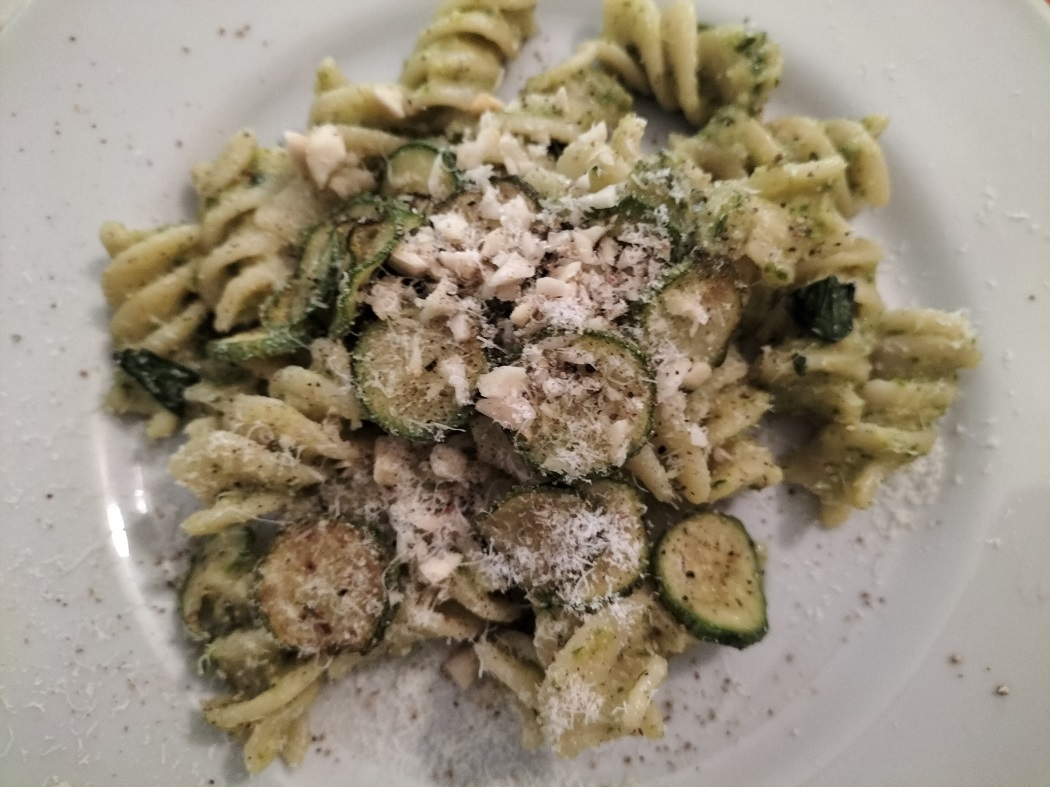
With the arrival of summer, the streets of Naples fill with the irresistible aroma of the famous zucchine alla scapece—a true staple of Neapolitan cuisine. This dish is so deeply rooted in local tradition that it is even mentioned in the film Un turco napoletano, in which Totò talks about cocozzielli alla scapece.
The term scapece comes from the Spanish word escabeche, dating back to the time of Aragonese rule. The name refers to the process of marinating fried zucchini in vinegar, giving them their unique, tangy flavor.
There isn't a Neapolitan family that doesn’t include them in their summer menu. You could almost say they’re a mark of true Neapolitan identity!
Today, however, we want to offer a more delicate version, enriched with a zucchini cream and toasted almonds, adding a pleasant crunch. A perfect blend of tradition and innovation.
Recipe: Fusilloni with Zucchini Cream, Zucchine alla Scapece, and Toasted Almonds
Ingredients:
Zucchine alla Scapece: Slice the zucchini into thin rounds and fry them in plenty of oil until golden and crispy at the edges. Once done, drain them on paper towels.
In a separate bowl, make an emulsion with extra virgin olive oil, a little vinegar, and a clove of garlic. Dress the fried zucchini with this mixture and let them soak up the flavor.
Zucchini Cream: Take more zucchini, cut them into pieces, and sauté them in a pan with oil, garlic, salt, a pinch of pepper, and some mint leaves. Once soft, blend them into a smooth cream, adding a bit of the pasta cooking water if needed.
Toasted Almonds: Toast the almonds in a non-stick pan and then coarsely chop them.
Cooking and Combining: Cook the fusilloni in salted water and drain them al dente. In a large pan, combine the fried zucchini, the zucchini cream, a few basil leaves, and the pasta. Stir everything together over low heat, adding the grated Provolone del Monaco and finally the toasted almonds.
Plating: Serve with an extra sprinkle of chopped almonds and a grind of black pepper or mixed peppercorns to enhance the aroma.
Wine Pairing: In the glass, I chose an Albana Secco di Romagna DOCG: an elegant and aromatic white wine that pairs perfectly with the delicacy of the zucchini cream and the savory touch of the fried zucchini. A surprising and thoroughly Italian discovery.
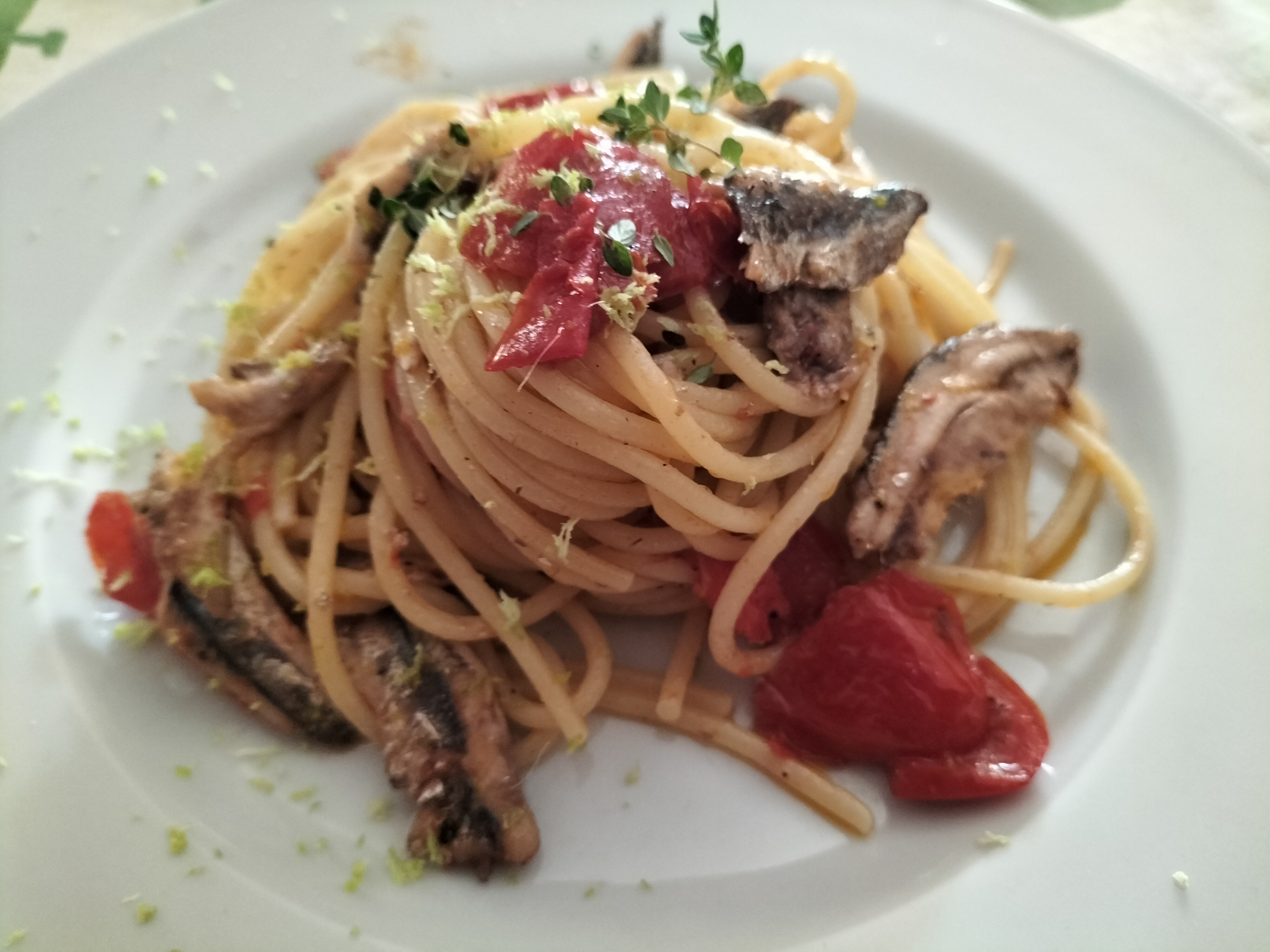
Summer is here… and so is the craving for new flavors. The garden is bursting with tomatoes, green beans, eggplants, and peppers, while the scent of basil fills the countryside—and even the balconies of many city homes.
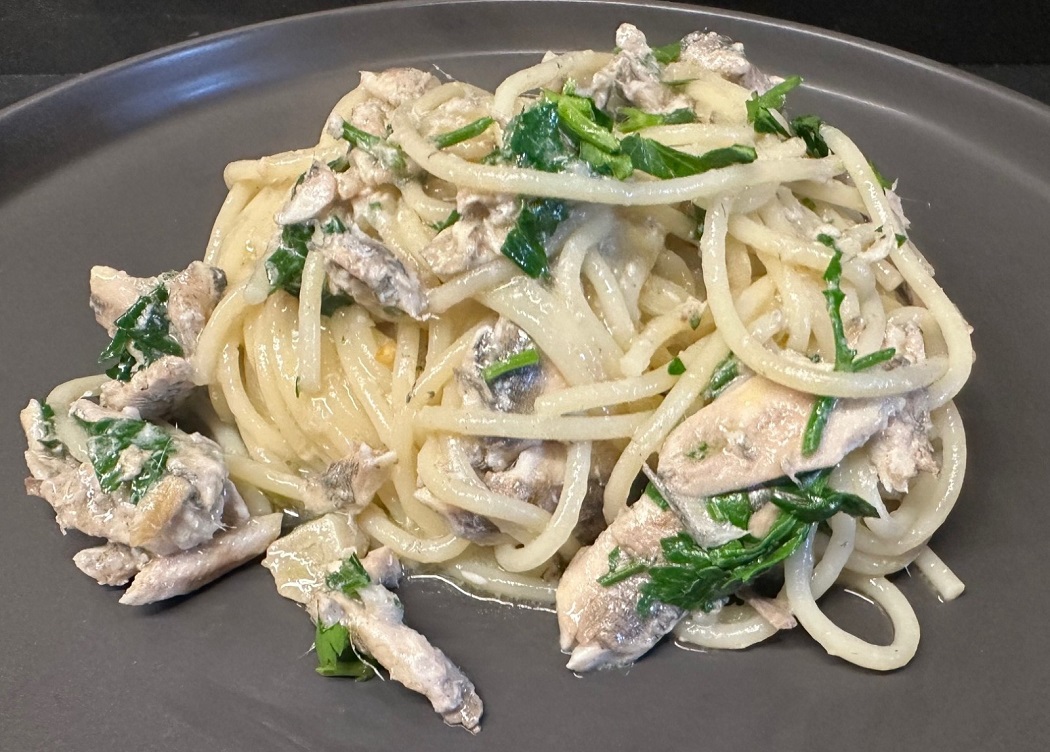
I absolutely love humble fish— with just a few coins you can make amazing dishes. I remember when I was a child and the Soviet Union still existed, people didn’t have many options, and Sophia Loren became a sensation with a cookbook full of recipes featuring inexpensive fish.
Page 2 of 23




Follow us