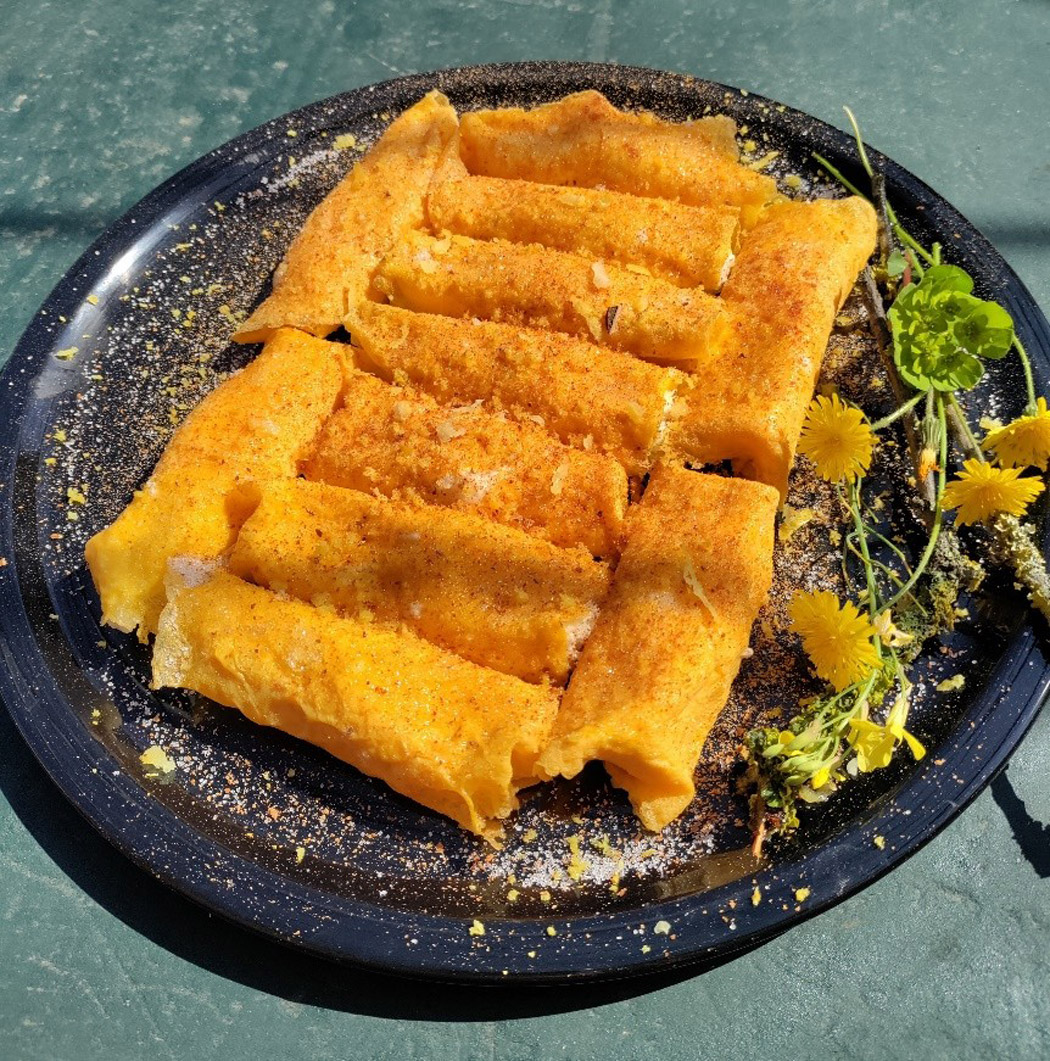
“Dita degli Apostoli”: the Apulian dessert linked to the story of St. Thomas?

A Pugliese sweet with a beautiful story, the Dita degli Apostoli is an evocative dish, and very easy to repeat at home, to bring a bit of Puglia to your tables!

Where does our story begin?
In Italy many dishes of our tradition are born from two ingredients: tradition and faith. Just like what happened to the “Dita degli Apostoli”, a sweet dish of the Apulian peasant tradition, made of simple ingredients and an unconditional love for raw materials, a common denominator of all the dishes that are part of the tradition of this land!
The Apulian culinary tradition in itself is characterized by simplicity and very few ingredients, which does not detract from the goodness and pleasure you feel in tasting them. Although Puglia is best known for its savory dishes, which we were able to savor in the article "The" Broad beans: recipes and curiosities of the most loved legume in Italy ", sweets are no exception.
Le Dita degli Apostoli is one of those sweets.
Its realization is linked, as almost always happens in popular peasant culture, to the scanning of time and holidays. In this case it is the Easter period, the moment in which the Fingers of the Apostles make their debut on the Apulian tables.
In my family, this dessert was never lacking. And again it is prepared according to the original recipe handed down, not written but practiced.
The main ingredient is ricotta, the production of which was linked to the reproductive cycle of the animals, which is why it was traditional to start preparing this dessert from the spring period, after the lambs were weaned.

Another curiosity lies in the name, which is probably dictated by the shape like fingers, or rolls, which not coincidentally recalls the episode of the Gospel that recounts the episode of St. Thomas.

Fingers of the Apostles

Ingredients for 12 "fingers"

  • 300 g of sheep's milk ricotta (if you want you can replace the sheep's milk ricotta with that of buffalo)
  • 2 eggs
  • 50 g of sugar
  • cinnamon
  • 1 lemon (possibly untreated and preferably not very ripe)
  • chocolate flakes or chopped chocolate to be crushed
  • a few drops of liqueur, preferably citrus
  • olive oil to grease the pan

Process:

Work the eggs with a whisk. Take a pan with a small diameter, 12-14 cm
and heat it after having just greased it with a drop of oil (better to use a brush).

Pour in a spoonful of beaten eggs and rotate the pan to spread out
the egg, creating a very thin omelette that must be turned just golden, to make it
brown on the opposite side. The difficulty lies in being able to make a very thin omelette with just a spoonful of eggs. Remove the omelette and place it on absorbent paper. Proceed with the others until you run out of eggs. Meanwhile, work the ricotta with the sugar, the cinnamon powder, the grated lemon peel, the crushed chocolate and a few drops of the liqueur of your choice. If the dough is hard, add a few drops of water to make it creamy.
Holding the omelette in your hand, place a part of the kneaded ricotta and wrap in
like fingers, which will be placed on a serving dish, finally sprinkled with sugar
and cinnamon (icing sugar not recommended).

It is preferable to prepare the dessert a little in advance, perhaps keeping it in the fridge for a few hours, to enjoy it at its best.

 

powered by social2s
Fava Beans: recipes and curiosities of the most loved legume in Italy

Broad beans are the most loved fruit of the summer, and of the months of April and May where you cannot help but feel the desire for "Broad Beans and Pecorino" in the air, a little for all of Italy. Where does the love we feel for broad beans come from, and all the recipes that have them as protagonists?
Broad beans are legumes originating from China, cultivated and widespread also in Italy, particularly in the Mediterranean area since ancient times.

The custom of eating broad beans is so present in Italy that it has become the traditional food on many religious and secular holidays such as Easter Monday, April 25, and May 1, where they are the protagonists of out-of-town outings together. with pecorino cheese.
They are a very versatile food, and in almost all of Italy they are the protagonists of traditional dishes. It is in the south, however, that this legume expresses itself at its best.
Broad beans have a great deal of beneficial properties.

They have an excellent supply of fiber, protein and, above all, mineral salts such as phosphorus, iron and potassium, which are essential for the health of the digestive system.
They are also low in fat and rich in fiber, an ideal legume to be included in a low-calorie diet but with just as many properties that make it important in habitual use. Until the postwar period, in the Mediterranean area, in the areas where cultivation was most intense, especially in very poor families, it was the daily staple food like polenta in other territories. Depending on the places of the southern territories: Puglia, Sicily etc., this typical dish takes on a different name, also based on the condiments that accompany it, and vary with the seasons.
Fresh tomato sauce in summer ("friggitelli", "cornaletti", "diavolicchi" etc.), broad beans
white beans and "zucchini alla poverella", flavored with "fennel", white beans with grapes or with olives, white beans and chicory, "ncapriata", a term that comes from the Latin, ("caporidia") and is used when broad beans and seasonings are mixed together.
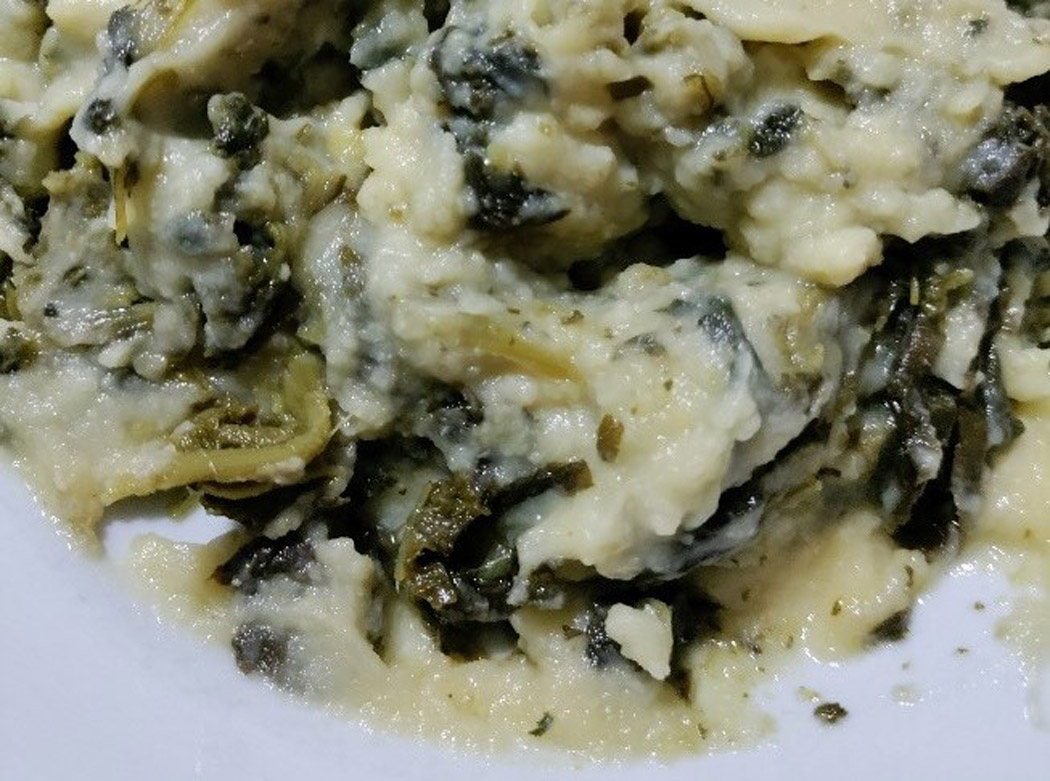
The preparation of these dishes that I am about to tell you is lost in time, the origin is certainly linked to the influence between cultures of the Mediterranean countries. It is from this strong connection between Greece, Puglia and southern Italy that many recipes that praise broad beans are born. Like the traditional Fave and Chicory from Puglia, more precisely Fasano-Pezze di Greco (BR), and the many variations of it that I want to tell you below!

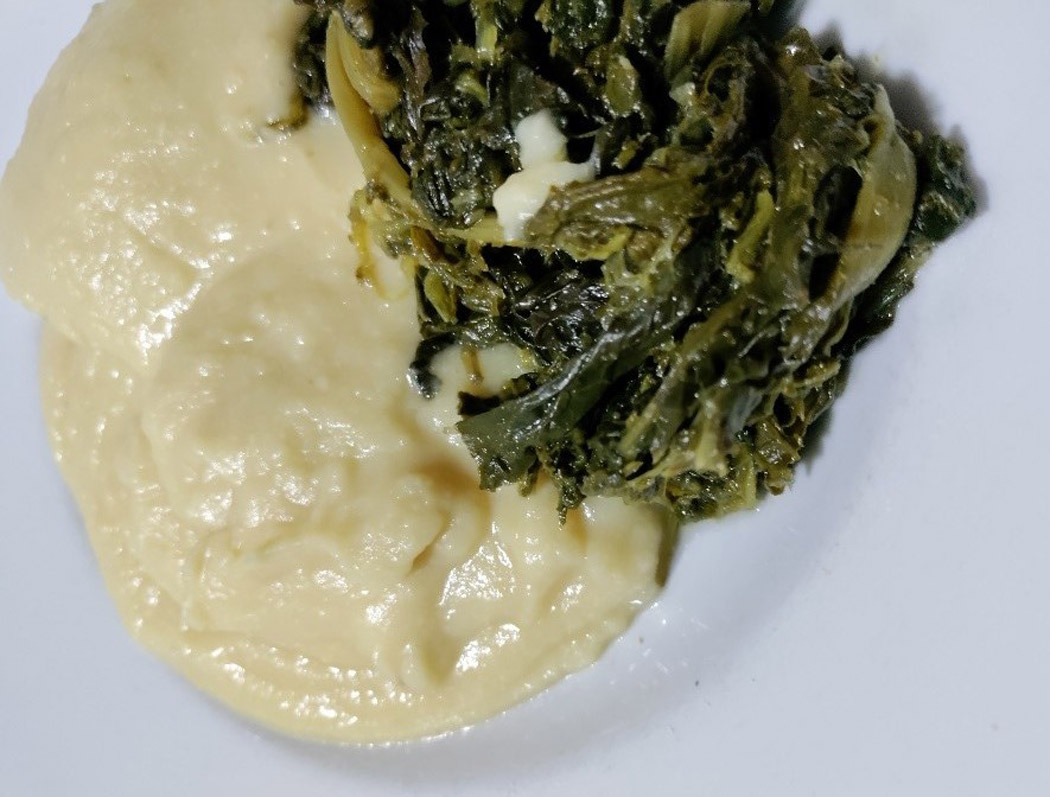
"Broad beans and chicory" - Puglia: Fasano-Pezze di Greco (BR)

Ingredients for 4 people:

  • 400g of peeled dried broad beans
  • 1 medium potato
  • Salt to taste.
  • 4-5 tablespoons of oil

Preparation:
Let's start with cooking the beans!
Once peeled, soak for a few hours (4 -5) in warm water in which you first dissolved 1 teaspoon of coarse salt. Before cooking, rinse the beans and then put them in a pan covering with water and seasoning with salt.
Cook, adding the chopped potato, over high heat until it boils and then lower the heat to low. Remove all the foam that has formed on the surface, and let it cook very slowly until all the water dries and the beans "crumble".
If the water is consumed earlier, add more hot water until cooking is complete.
Cooking times vary, but certainly from one hour onwards. If you want to use the pressure cooker, the times are reduced: about 30 minutes after removing the foam and closing the pot. When cooked, add the oil and vigorously work the beans with a wooden spoon, until they are creamy. At this point they are ready to be served, even alone with a drizzle of oil, or a few pieces of bread!
The next step is cooking the chicory, which must be blanched, and once drained, seasoned with oil and salt, and served together with the freshly prepared broad beans.

'For "Ncapriata", another variant of "Broad beans and Chicory", the cooking and preparation process for both is the same, with the difference that the two ingredients must be mixed together before being served.
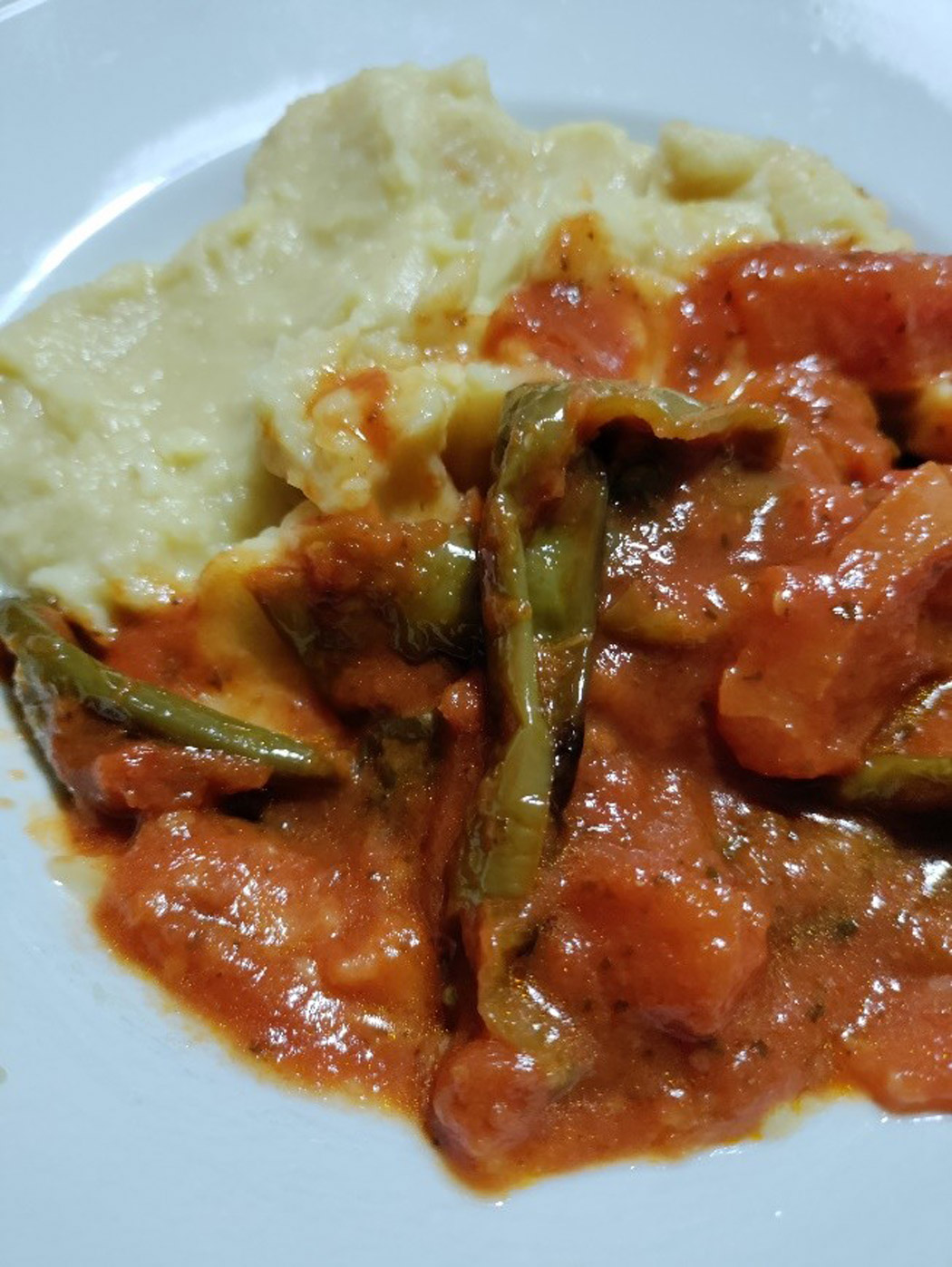
Instead, the next recipe sees broad beans and friggitelli protagonists of a dish that in Puglia is known as "Broad beans and cornaletti peppers with sauce"

"Broad beans and cornaletti peppers with sauce"

Ingredients for 4 people (for the broad beans see the doses and the procedure already described):

  • g. 500 of "friggitelli" or "cornaletti" peppers
  • g. 500 of cherry tomatoes or peeled
  • 2-3 tablespoons of oil
  • 1 clove of garlic
  • Salt to taste.

Preparation:
Wash the peppers and dry them. You can, if you want to remove or leave at this point, the inner part of the seeds. In a pan, lightly heat the oil with 1 clove of garlic and add the peppers. Halfway through cooking, remove them from the heat, put them in a bowl and in the same pan with the remaining oil, add the chopped tomatoes, cooking them for a few minutes. At this point, while mixing everything, add a few spoonfuls of water, the peppers, the salt and let it cook. Serve with the white beans.

What if the beans are left over? In the spirit of "nothing is thrown away", the recipe for "heated beans" also comes from Puglia. The leftover beans were certainly not thrown away and very often they were eaten very early in the morning, instead of breakfast by the farmers, before going to work in the fields.
They were prepared in a pan, after having heated a sliced onion with a little oil, the softened broad beans were added; of water, until the mixture cooks to the point that it almost sticks to the pan. This is how the classic crust is formed, which further enhances the flavor.

powered by social2s
Biancomangiare, a traditional sweet of Modica and Catania

Sicily is a land rich in traditions. The invaders have given us mixtures and a cuisine rich in mixes of flavours, sometimes baroque.

Traditions that pamper the eyes and cheer up family lunches with the well-known “lucullian” meals. A custom that sees us sitting at the table at times that are not in keeping with European customs and that, between a conversation, a story, an anecdote and that familiar spirit that distinguishes us, it sees us get up when we should already be thinking about the next meal. You can imagine that the next meal is skipped!

Yes, Sicily and in particular Catania has a wealth of colours and flavours linked to the territory that should be known all over the world.

An example in summer, when we conclude a meal with the well-known Biancomangiare, a dessert of peasant origin and a dish also of Arab-French origin, especially typical of the ancient county of Modica.

The Modica recipe involves the use of almond milk, while the Ragusa recipe also includes lemon, cinnamon and Hyblean honey.

In Catania, it is the fresh and fragrant dessert of family tradition eaten with a spoon, a reinterpretation of the traditional recipe is uses whole cow's milk, corn starch (which is used as a thickener), sugar and lemon zest just picked from the tree. A must!

Everything is cooked and left to cool, taking on a pudding consistency, and then served on a bed of freshly picked lemon leaves. The secret is to soak the leaves for a few moments in hot water so that they can be more malleable and release all the scent.

Such a poor delicacy, but rich in scents, it can inebriate the senses!

For all the people of Catania, the blancmange is the memory linked to childhood, to homemade desserts ... the dessert that tastes like the hearth. But also the only dessert we were allowed to eat when we were convalescing and we ate it hot like a cream ...

With the same system, the ‘spoon’ dessert has other variants that are called Frost - they use  lemon, watermelon, cinnamon, which however see the use of water instead of milk and come in different forms depending on the season.

The wildest is the one decorated with chopped pistachios, almond flakes and cinnamon ... an invitation to a "meet again" for all those travellers discovering Sicily, who bring back with them a rich experiential holiday of aromas and flavours!


powered by social2s
Mossos Boidos or the sweet Ravioli of Sardinia

The Mossos Boidos (translation from the Sardinian "Empty Bites") are typical sweets of Sardinia that my grandmother always made during the Carnival period. It is such a family tradition that we have continued to prepare this dessert since.

The Mossos Boidos or sweet ravioli of Sardinia had fallen into disuse for a few years, and perhaps the only place where they could be found was in the centre of the island. Today traditions are resuming and it is easier to find them.

We are in Ozieri, in north-central Sardinia, and our town has a unique history to the point that the culture of Ozieri dates back to prehistoric times. Our Tombs of the Giants of the Nuraghi period are a shoroom of supposition, culture and mystery.

Here nature is amazing and for centuries every celebration was associated with the recipe of a dish and often also a dessert.

This is the recipe of the Mossos Boidos that are prepared for the Carnival and mark its arrival.

Recipe of the Mossos Boidos

Ingredients for the almond paste filling

  • Sugar 600 gr
  • Water 250 ml
  • 2 grated lemons
  • Ground sweet almonds 500 gr
  • Ground bitter almonds 100 gr
  • Candied fruit 200 gr
  • 2 tablespoons of honey

Ingredients for the pasta

  • Re-milled semolina 1 kg
  • Regrind granulated 1 kg
  • Lard 600 gr
  • 500 ml sugared water

To prepare the pasta, pour the flour, semolina, lard and 500 ml of water into the mixer.

Let it mix for a few minutes until it is of the right consistency and then let it rest for 30 minutes.

Now let's prepare the filling which could possibly be prepared even a few days before and left at room temperature.

Put the grated sugar, water and lemon on the fire and boil for 30 minutes over moderate heat, making sure it sticks to your fingers.

Add the almonds and cook for another 15 minutes, stirring constantly. When the mixture becomes homogeneous, add the candied fruit and honey, stirring a little more.

Change the container and remove it from the heat. With a teaspoon pour a little of the mixture onto the dough previously prepared and rolled out with a rolling pin.

Be careful not to put too much filling otherwise the sweet ravioli could open letting the filling come out.

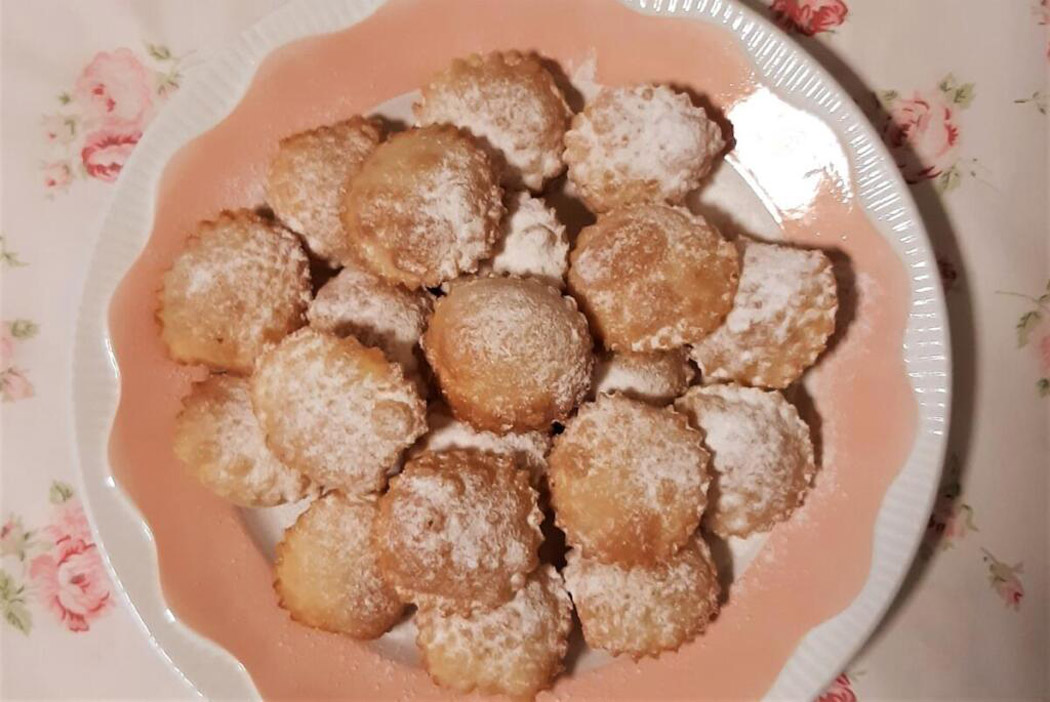
We cut out the sweets with a round ravioli mould. We fry in hot oil and pulverize with powdered sugar.

powered by social2s
Nonna Peppa's Beans cooked in a pot

The other day I went to visit my sister. I haven't seen her in a long time. I walked into her kitchen and found her contemplating a glass jar, the kind used for pickles, but full of beans.

They look cooked, I told myself in my mind.

She invited me to sit down. And she asked me to listen in silence to what she had to tell me, while I sipped two fingers of whiskey that she had poured me in the meantime. She wanted to tell me the story of Nonna Peppa's beans. The  stories of towns are interesting. You should listen too.

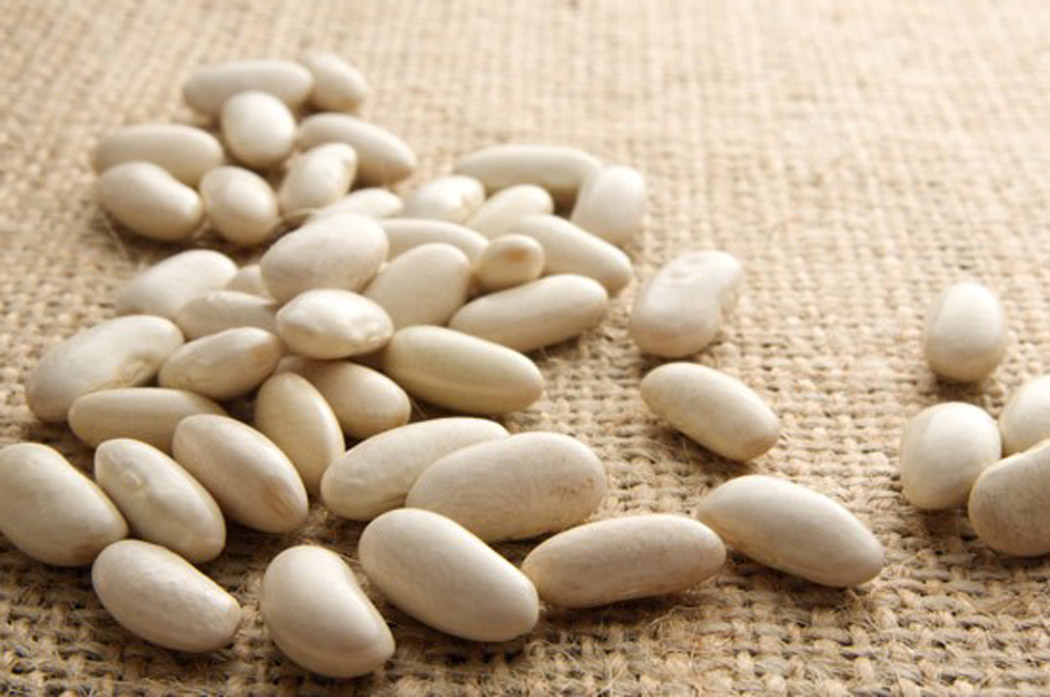
A cousin of grandmother Peppa, or a nephew, I never understood well, brought some very good and almost miraculous beans from Castelforte.

They were produced in small quantities by a farmer who then sold them on the black market. They are not very large, have a thin and tender skin and a very tasty pulp: they are very digestible.

They are reminiscent of Atina's cannellini beans, but she says they are different. Even smaller and better. Their best quality is that, unlike other dry beans, they do not put air into the stomach: this together with their exquisite flavour are their greatest strengths.

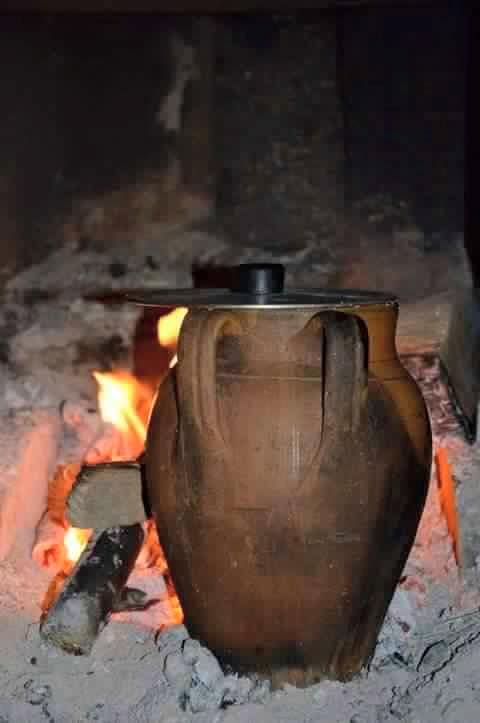
This is why they are different from all other beans. Grandma Peppa, who is nearly a hundred or so, cooks them in her red brick fireplace, placing the pot right next to the glowing coals. As was done in the past, when there were no modern kitchens.

If necessary, the fireplace is also lit in summer. “Trouble - she says - cooking the beans on the gas. They wouldn't be that good."

To be good, the beans must smell of smoke, oak or olive wood smoke that they get only when cooked against the red-hot coals of the flame. And most importantly, they must cook slowly.

"They must mutter - she says - like Zi Peppucciu."

He is the now old husband, who too, usually, when he doesn't go out to play cards with friends, stays snoring in the armchair in the kitchen after having gulped down a large quart of his red wine.

Grandma Peppa says that sometimes she feels like she is living in an airport, so much is the noise that zi Peppucciu produces while snoring. So to distract herself and to do something good she just has to put the filtered rainwater in the crock she calls pignathu.

Until recently, even though she was already old, every year in August she went on purpose to Ausonia, the village near ours, five kilometres on foot, a nice walk, to the Fair of the Assumption, under the sun, to buy new shards.

Pots, pots and jugs for fresh water.

She put everything in a basket, loaded it on her head and so as not to get hurt she wove a large kitchen towel and put a comfortable ‘shock absorber’ on her head between her skull and the basket.

Nonna Peppa has always cooked and still cooks only in those pots and pans. And she doesn't care if they've been declared carcinogenic and outlawed by now. For years she has always made the same gestures. Like an ancient ritual that cannot be disregarded.

She fills the pot with sponged beans from the night before, in the same water, adds a stick of celery, the garlic crushed between the palms of her hands, which she takes from the garden she grows herself behind the house, and the local extra virgin olive oil from the Corenian Hills.

An oil obtained from the cold pressing of the olives which she still picks by hand, olive after olive, squatting on the ground for hours. She then brings them close to the coals and lets them boil slowly for a few hours covered with a tin lid.

She almost forgets them.

She just occasionally goes back to check the cooking. Maybe add a little water if the cooking water gets too dry. She draws it from another pot that she had already placed to heat next to the pot with beans. If she turns them over, she still gets a stalk of celery and a few cloves of garlic.

''Garlic is good for you! It removes the worms.'' She always tells anyone who comes within range. When the beans are cooked to perfection, she removes them from the heat and, while still warm, puts them in glass jars, in which they are well covered, but only after adding a little more raw oil and a little fresh parsley.

Then she distributes those jars carefully among the many greedy grandchildren and great-grandchildren that she has scattered in every corner of the town. The only reward that she expects, every time and which, every time, she invariably receives, is the echo of the riot of virtual applause that reaches her from all sides.

That's the only certainty that everyone liked her dish. And everyone is wondering when will be the next time that Grandma Peppa will cook that ancient but simple and tasty dish again.

The recipe has one secret ingredient, or rather two. The burning fireplace and the love with which she prepares it. And these will follow her, when she leaves the world of the living. Irremediably.

Well sister, a good story, the next story of the town.

I got up, thanked her, went out of her kitchen and in the gloomy twilight I walked home.


powered by social2s
Altopiano della Murgia, Risotto with Fennel

I am an Apulian chef and I work in Gravina di Puglia in the Murgia, a plateau at 460 meters above sea level that gave me the inspiration for this recipe.

With humility and great passion I work every day to carry out my personal idea of ​​cooking, which makes quality, knowledge and respect for raw materials its strong point.

The great Murgian culinary tradition and the deep love for this territory are the greatest inspiration for my dishes.

This recipe contains some of the most emblematic elements of my land and was born as a celebration of the authentic flavours that only a sour and sweet land like the Murgia can give.

Risotto with Fennel Recipe

Ingredients for 4 people:

  • Carnaroli rice (Gran Riserva Gallo) 240 gr
  • Pallone di Gravina grated (from F.lli De Rosa dairy) 40 gr
  • Extra virgin olive oil (Frantoio Raguso) as needed
  • Wild fennel 1 kg
  • Wild Cardoncelli Mushrooms 100 gr
  • Wild asparagus 8 pieces
  • Cardoncelli mushrooms (small size) 8 pieces
  • Rack of lamb 200 gr
  • Salt to taste.
  • Laurel, sage, rosemary and its flowers to taste
  • 1 clove of garlic

To obtain the fennel powder, peel the fennel, then wash them thoroughly, season with salt and spread them on a perforated plate lined with baking paper. Bake at 65° C for 4 hours and then pass everything through a blender until you get a powder.

To obtain the cream, carefully clean and wash the cardoncelli. Then in a pan stew them with a drizzle of extra virgin olive oil. Season with salt and blend everything.

To prepare the mushrooms, cut them in half and grill them in a pan with a drizzle of extra virgin olive oil, a clove of garlic, rosemary and salt.

To prepare the asparagus, cut them in half lengthwise and put them in water and ice for 15 minutes. Then drain and season with salt and oil.

To prepare the smoked lamb, de-bone the rack of lamb and cut into small slices. Beat them lightly, while in an old pan, burn the rosemary, sage and bay leaves until you get white smoke. Then put them in the oven for 15 minutes at 40° C. Season with salt and extra virgin olive oil.

At this point you are ready the risotto. Toast the rice in a saucepan, add only with boiling water and cook by pouring it a little at a time. Stir away from the fire with the Pallone di Gravina mold and EVO oil, season with salt if necessary.

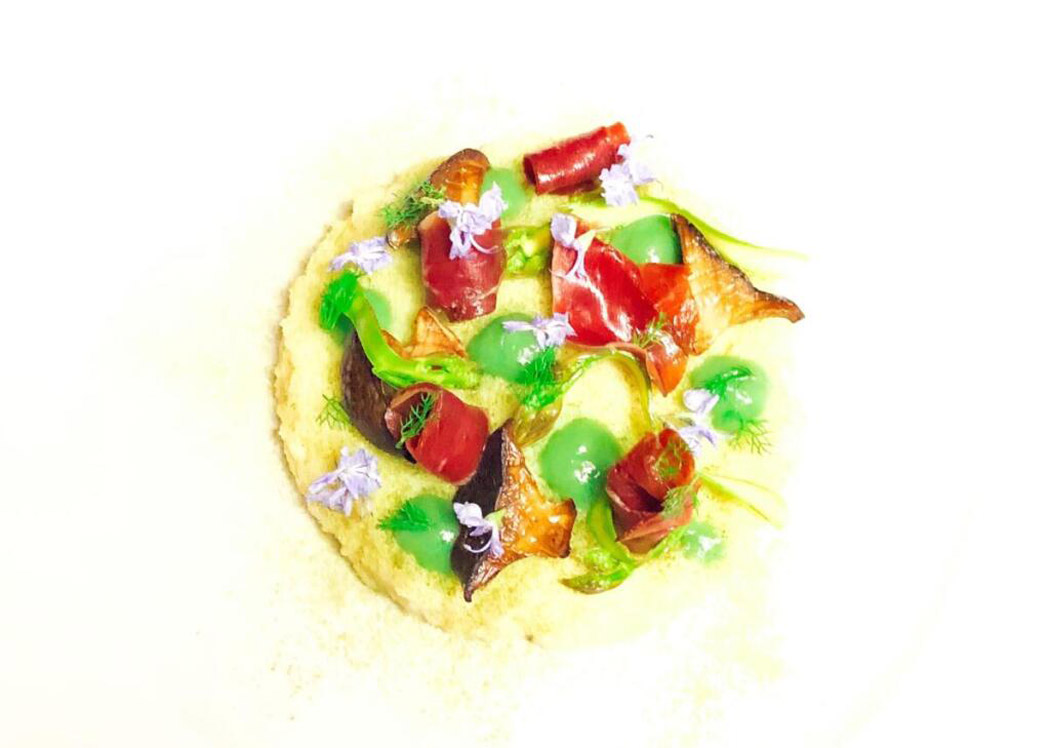
Arrange the risotto in 4 flat plates, sprinkle with the fennel powder, garnish with the cream of cardoncelli, mushrooms, asparagus, smoked lamb, rosemary flowers and fennel leaves.

And to enjoy it to the full I would recommend drinking a Fior di Bacco wine, a dry white Verdeca style from Gravina di Puglia being a blend of Greco Bianco, Moscato, and Bianco D'Alessano grapes.

Enjoy your meal from the Murge!


powered by social2s
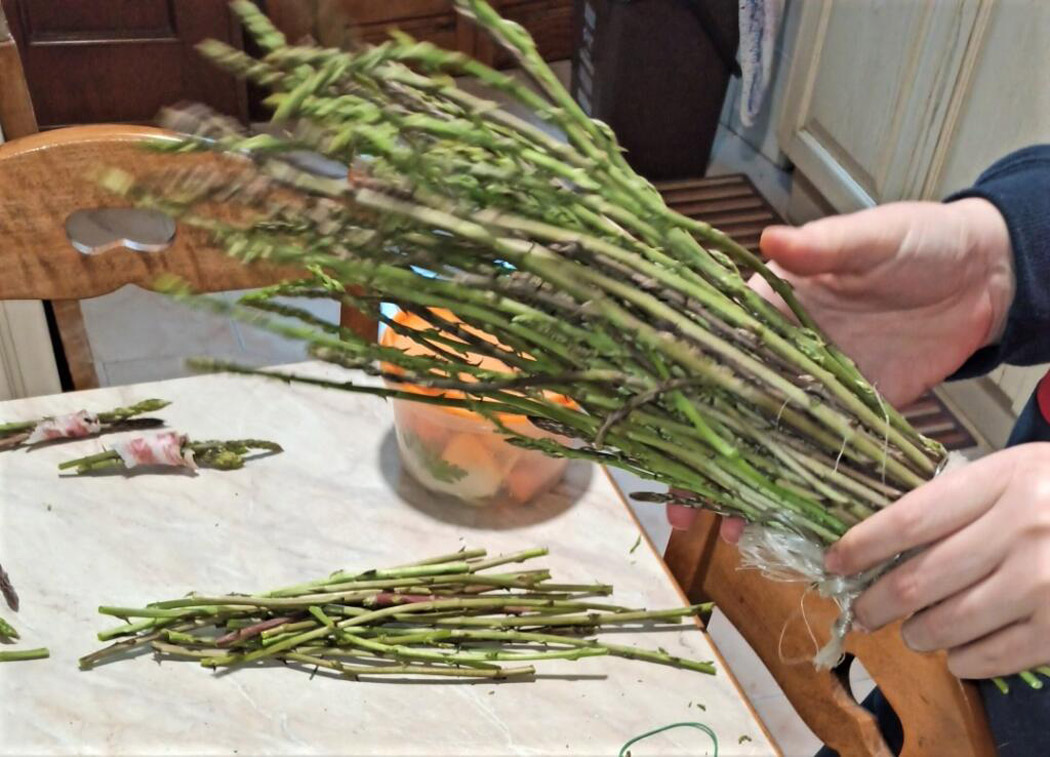
LI 'SPARACI, asparagus from Terni

Wild asparagus grows in most of our Italian peninsula, our climate is an accomplice of this delicacy.

Together with the climate, then, it seems that the ancient Romans, who were greedy, have planted asparagus among the olive tree crops.

Don't ask me how they did it because I don't know. But I am sure I have read it somewhere, and therefore there must be a part of history. Anyway, the bunches are so beautiful that I like to imagine them also depicted in the beautiful frescoes of the civilization of the city.

that there are in most of the peninsula, but here in Terni, without claiming to be special, "Li Spiraci" are a serious matter. Don't mess with it.

Being like me long and thin, and being ironically called "sparaciu", is only a point of honour.

But why all this importance?

Because our local cuisine gives its best at Easter and on the table there is absolutely no lack of "wild greens". Maybe accompanied with 'ciriole', our typical pasta, or with the classic omelette made with various fragrant wild herbs.

Terni then is located in a hollow, and even citizens like I am are in five minutes among the olive trees and the scrub to try their hand at harvesting.

Some lazy people will now say: "But isn't it easier to buy them?"

Of course, but know that in Holy Week, they can even reach 40 to 50 € per kg, and it is right because sloth must be punished and the risk must be rewarded.

In fact, it can happen that you will walk the whole morning and not even a hectogram of them, or after having climbed an infamous cliff, realize that someone has already passed over it.

And then there may be the little viper that seems to be watching them, and I absolutely recommend getting a special stick, better if done by hand.

But above all, there is a great obstacle for the neophyte collector: Marsilio.

I call him Marsilio for convenience, but here in Umbria, the land of Francesco, Rita, Benedetto and Valentino, the "old men", have very pagan names. Marsilius is a widespread name, but there may also be Anchises, Ercole, Boemo, Sparsero, Spartaco, Eraldo, Evandro, Liutprando ... etc.

I got lost ... so in summary, Marsilio is the number one enemy of us "tenerelli" (young) collectors.

Marsilio, as I said above, is an old man with an indefinite age, maybe from 70 to 100 years old, but he looks the same as when he was 50.

Marsilio walks very badly, he is all bruised, from arthritis poor thing ... and yet ... how the hell is that every time I meet him in the most inaccessible places (which would put Messner in difficulty) he carries in his hand a "round bale" of at least a 100 kg of wild asparagus.

Then, obviously being older, he waits to be greeted first and it is with a mischievous smile that he asks you how it went.

Then when showing the meager booty, the inexperienced collector like me can fall into Marsilio's worst trap: to listen to his advice. Marsilio is one with the bush, Marsilio was born there, Marsilio as a child used the vipers as yo-yo ...

Yet someone can fall into it, because I fell there too, and once following his "tracks" I found Bonatti's lighter, Nobile's red tent, the Holy Grail, but not even the shadow of wild asparagus.

This is because our "Macchiaroli elders" are so expert in misdirection that they would be the envy of the CIA and KGB, combined.

Then what is there to say ... first commandment and only valid commandment of Marsilio: "YOU DON’T TELL".

That's why I'm not showing them to you this year, but those old ones ...

Good luck ... and avoid the viper of course.

powered by social2s
Pasta with Sausage and Peppers of Naples

I would have many dishes to relate of the Neapolitan traditions that combine taste and flavour. But on the other hand, Naples is one of the cities in the world richest in history and tradition and each of its angles and each of its people has something special to tell.

I must admit most of the Campania and Neapolitan dishes are all abundant and full-bodied dishes and one of the dishes that I eat that has really the most taste is Pasta with Sausage and Peppers ... I assure you a plentiful but very good dish.

In practice, with such a dish you will eat a first and a second together. I leave you my family's recipe:

Recipe of Pasta with Sausage and Peppers

ingredients for 4 people:

  • pasta 320 gr
  • sausage 500 gr
  • caciocavallo / pecorino / parmesan cheese 100 gr
  • 10 cherry tomatoes
  • half a glass of white or red wine according to your taste
  • 1 clove of garlic
  • extra virgin olive oil as required
  • salt and pepper as required

First of all, for the preparation it is essential to wash the peppers well with running water, in order to eliminate soil residues and above all remove the end (the stalk) and all the white fibres. Then cut the peppers in order to set them aside.

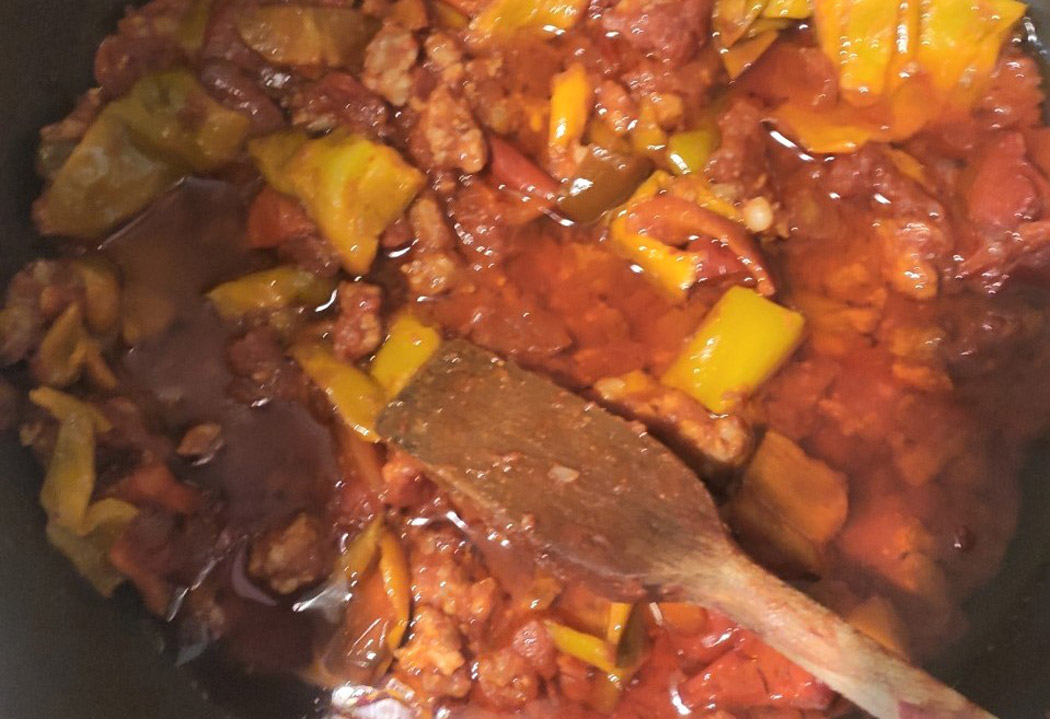
Peel the onion, then cut it finely and put it together with the extra virgin olive oil in a pan on the stove over high heat. When the onion has reached a golden colour, add the sausage reduced to chunks. Obviously let it cook for a few minutes and then you can blend it with red wine or white wine according to taste.

When the wine has evaporated, add the sausage in the peppers you have set aside, add salt and pepper. Then pour in the tomato puree and cook for about 15 minutes, covering the pan with a lid.

Meanwhile, in another pot of salted water, let the pasta (fusilli or rigatoni) boil.

Obviously, drain the pasta a few minutes before the cooking time indicated on the package, then drain the pasta and pour it directly into the pan together with the sausage and peppers and stir a few minutes with a wooden spoon to let everything mix.

When everything is blended we can serve our sausage, peppers and pasta and we can add a grated pecorino, caciocavallo or parmesan cheese on top depending on what we prefer.

powered by social2s

Subscribe to Newsletter

Discover a territory through the emotions of the people that have lived it.