Monteleone Sabino. Civic Archaeological Museum of Trebula Mutuesca

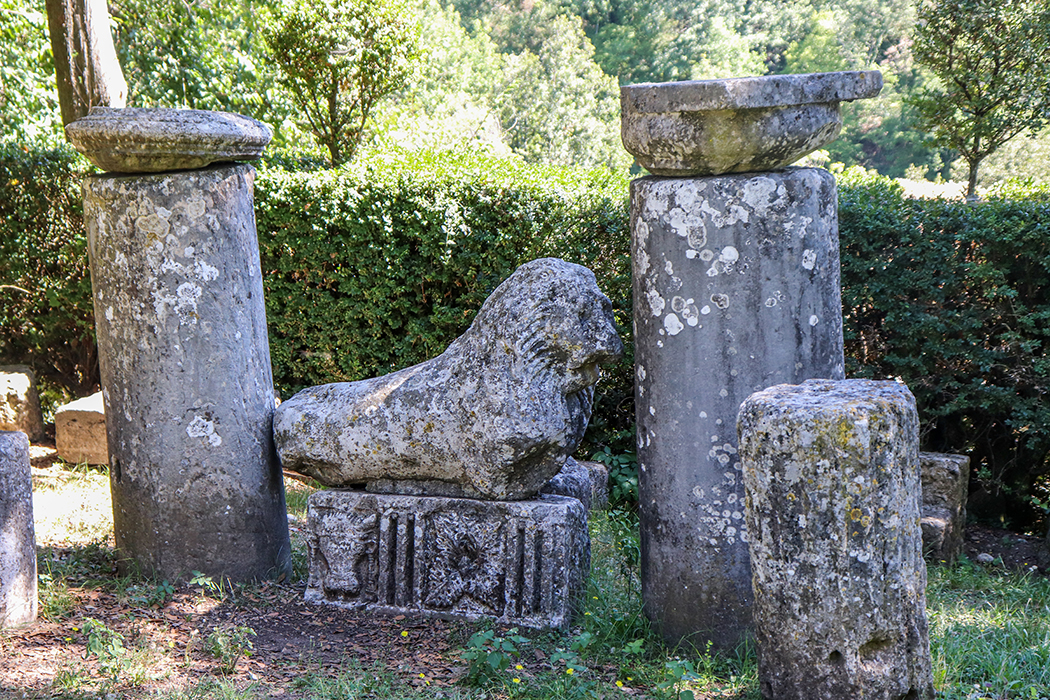
The Civic Archaeological Museum of Trebula Mutuesca in Monteleone Sabino traces the history of the ancient city of Trebula Mutuesca with the presentation of archaeological material of the Sabine and Roman times.

These are pottery, votive, inscriptions and sculptures dating from the fourth century BC to 3rd century AD.

There is a series of votive offerings from a votive pit at the site of the medieval church of Santa Vittoria and stone statues of the Roman period dating from the first century BC to the first century AD.
 

powered by social2s

The Archaeological Museum of Magliano Sabina is located in Palazzo Gori and consists of four sections that represent: the Prehistoric period, the protohistoric, the Archaic Period and the Roman.

One area, on the second floor of the building is reserved for findings of the archaeological site of Poggio Sommavilla.

Research in Colli del Giglio Necropolis unearthed several brown impasto vases painted black and a collection of iron weapons.

powered by social2s

In the area North-East of Rome, there are several Etruscan and Roman archaeological sites and the artifacts found were collected in the Archaeological Museum of Fara in Sabina.

In addition to the archaic and Roman section, there is an extensive Medieval Historical Archive with the coats of arms and the information of the great families who have inhabited the area.

powered by social2s

The Civic Museum of Cittareale tells the history of the town and the surrounding area showing a collection of ancient pieces. Since 2005 archaeologists of the British and Italian universities are leading the campaigns of excavations in this territory campaigns that allowed the discovery of many artifacts.

The findings span a vast historical period that starts from the social wars of the "Romanization of Sabina" up to the medieval period. Many exhibits come from the villa that was birthplace of the Emperor Titus Flavius ​​Vespasian.
 

powered by social2s
Norma. Historic Virtual Civic Museum

The Historic Virtual Civic Museum of Norma is located in the middle of the medieval village in an eighteenth-century building with an incredible view of the Pontine Plain.

In the rooms the history of the ancient city of Norba is illustrated and a model proposes the reconstruction of the Roman city of the Republican era.

Between the real and the virtual one can know the particular history of the city before visiting the magnificent archaeological area of ancient Norba. It is worth mentioning the reconstruction of a Roman kitchen and models of ancient transport vehicles.

In the basement of the museum an eighteenth-century warehouse was restored where oil was stored in painted jars that are still positioned in their places in counters along the walls.

powered by social2s

The Archaeological Museum of Minturno is located in the ambulatory of the Roman amphitheatre (1st century A.D.) inside the archaeological area of the ancient city of Minturnae next to the mouth of the river Garigliano and the Tyrrhenian Sea.

It collects archaeological material coming from the area of Minturnae. The most significant findings come just from the amphitheatre area.

powered by social2s
Formia. National Archaeological Museum of Formia

The National Archaeological Museum of Formia is located on the ground floor of the eighteenth-century town hall, in a wing known as Stallone Bourbon.

The tour starts from the first century BC and comes to the second century AD, which corresponds to the Julio-Claudian, the period of maximum splendour of Formia.

On display are statues of a wide range of distinguished members of the ‘Formiana’ society plus the imperial family (Gens Julio-Claudian) from the area of ​​the ancient Forum.

Much material has been found in the numerous ancient roman villas of the coast.

powered by social2s

The Municipal Museum of Fondi is housed in the castle and is divided into Roman, medieval and modern sections.

In the first are architectural fragments, inscriptions, columns, milestones, funerary urns and pieces of monumental tombs.

In the second, in addition to the coats of arms of the families of Aquila, Caetani and Colonna, one can note the fine relief of Domenico Gagini alabaster depicting the "Madonna and Child" (1458).
 

powered by social2s

Subscribe to Newsletter

Discover a territory through the emotions of the people that have lived it.