Borbona. Borbontino Bean

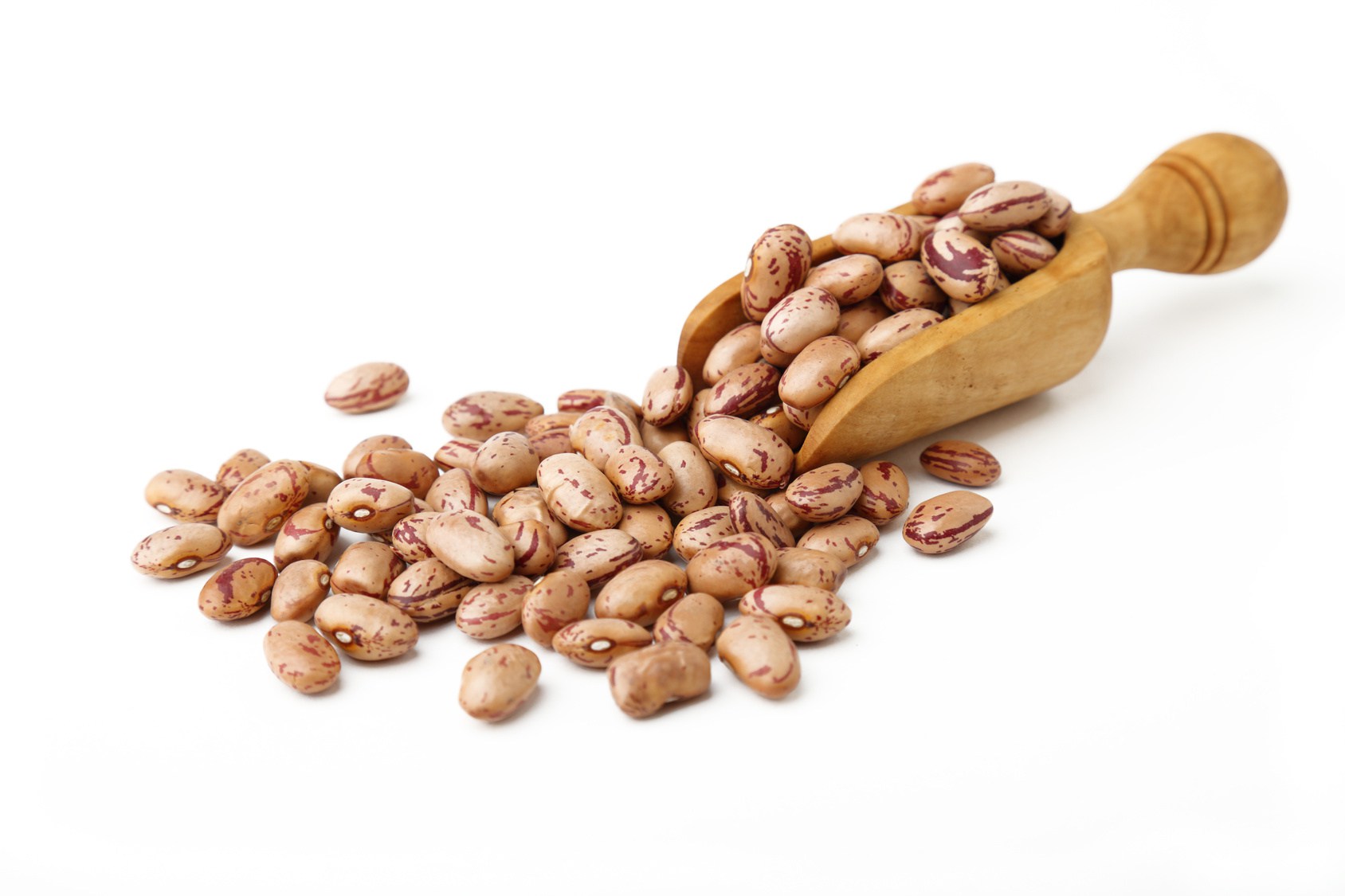
The Borbontino Bean is an excellent products of Sabina and Borbona.

It is a borlotti bean grown in this area that absorbs the perfumes of the area. Its seeds are large, kidney-shaped and it has the colour of mottled purple on a creamy white background.

The small quantity of product is mainly due to the fact that for the cultivation, the tools and the methods of the past are still used today without any use of mechanized equipment and without the use of chemical fertilizers.

powered by social2s
Ascrea. Arietum Chick Peas

Arietum Chick Peas of Ascrea are a legume widely cultivated in Sabina region for its nutritional properties.

Its shape, a seed of globular form of beige colour, is reminiscent of a ram's head, hence the name 'arietum'.

Chickpeas have been for years the nutrition energy base of rural households.
 

powered by social2s
Ascrea. Porcini Mushrooms

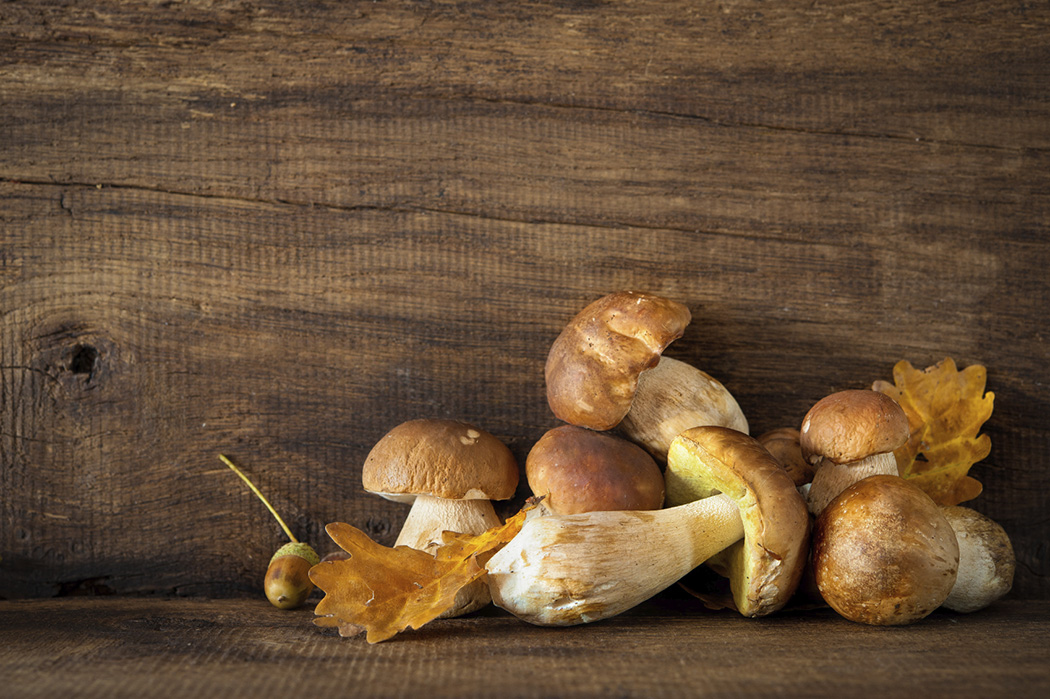
Tasty Porcini Mushrooms grow abundantly in the woods of Ascrea and in the Turano Valley in Sabina region.

The ancient Romans called it "suillus" (pig) for its solid appearance.

The different parts of porcini mushrooms are cooked in different ways: the less noble parts are fried or used for oil or vinegar preserves.

While the 'cappelle', the upper parts, are cooked on a griddle or in a frying pan with oil.


powered by social2s
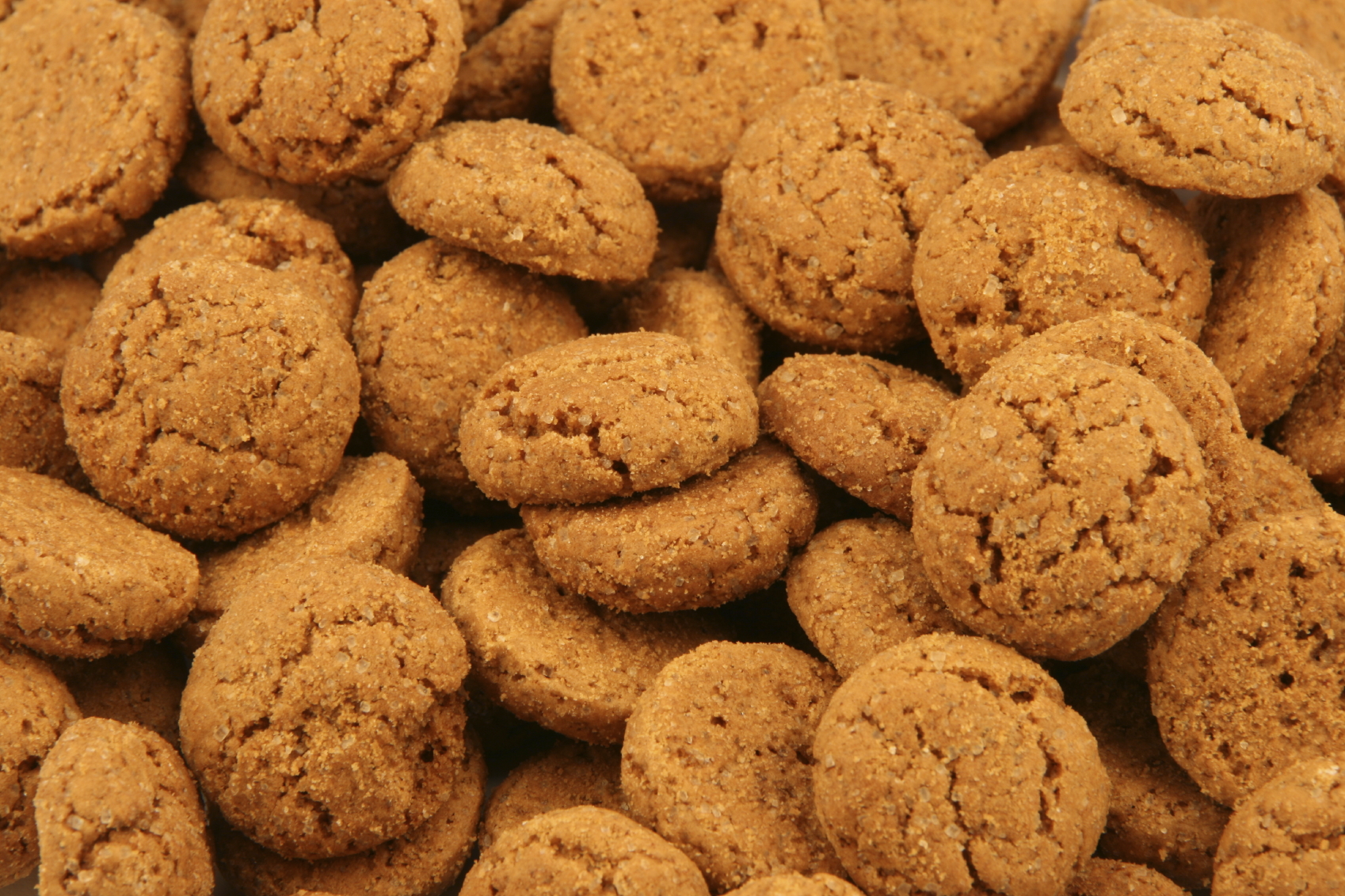
Antrodoco. Amaretti Biscuits

Amaretti of Antrodoco are typical biscuits from this part of Sabina and their recipe dates back to the Middle Ages.

They are typical round-shaped biscuits of golden-brown colour, obtained by processing of almonds, egg white and sugar.
 

powered by social2s
ph Winedharma
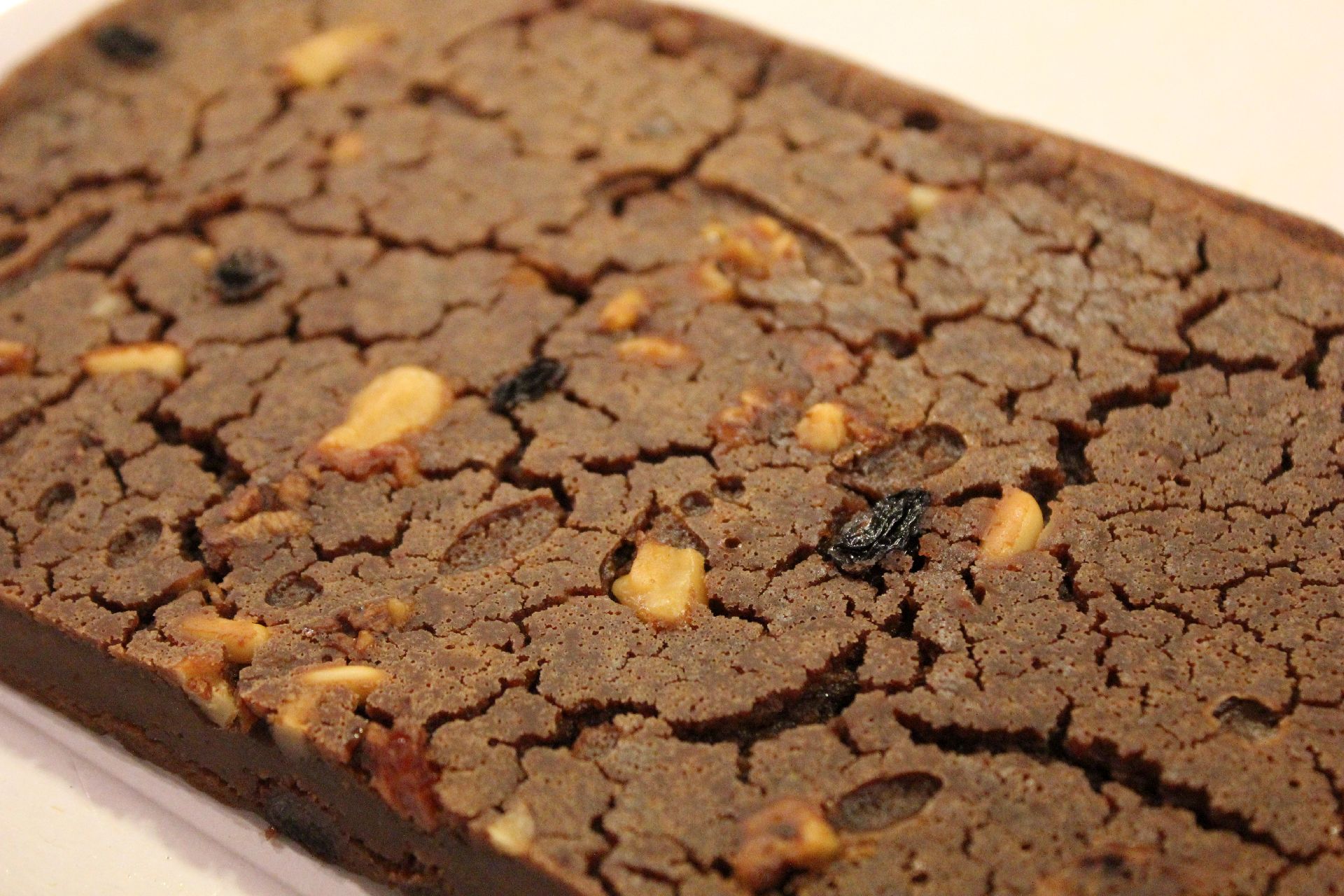
Antrodoco. Castagnaccio Chestnut cake

The Castagnaccio Chestnut Cake is a kind of sweet pizza and is a typical product of Sabina region and Antrodoco.

It is made with chestnut flour and dried fruit, flavoured with rosemary.

The preparation is simple: in a bowl is mixed with a wooden spoon, the chestnut flour, extra virgin olive oil of Sabina DOP, sugar and a pinch of salt.

Cold water (or milk) is added to obtain a dough of good consistency which is then poured into a greased pan.

Everything is sprinkled with rosemary leaves, raisins and nuts. A little oil is added and everything is baked in a wood oven.
 

powered by social2s
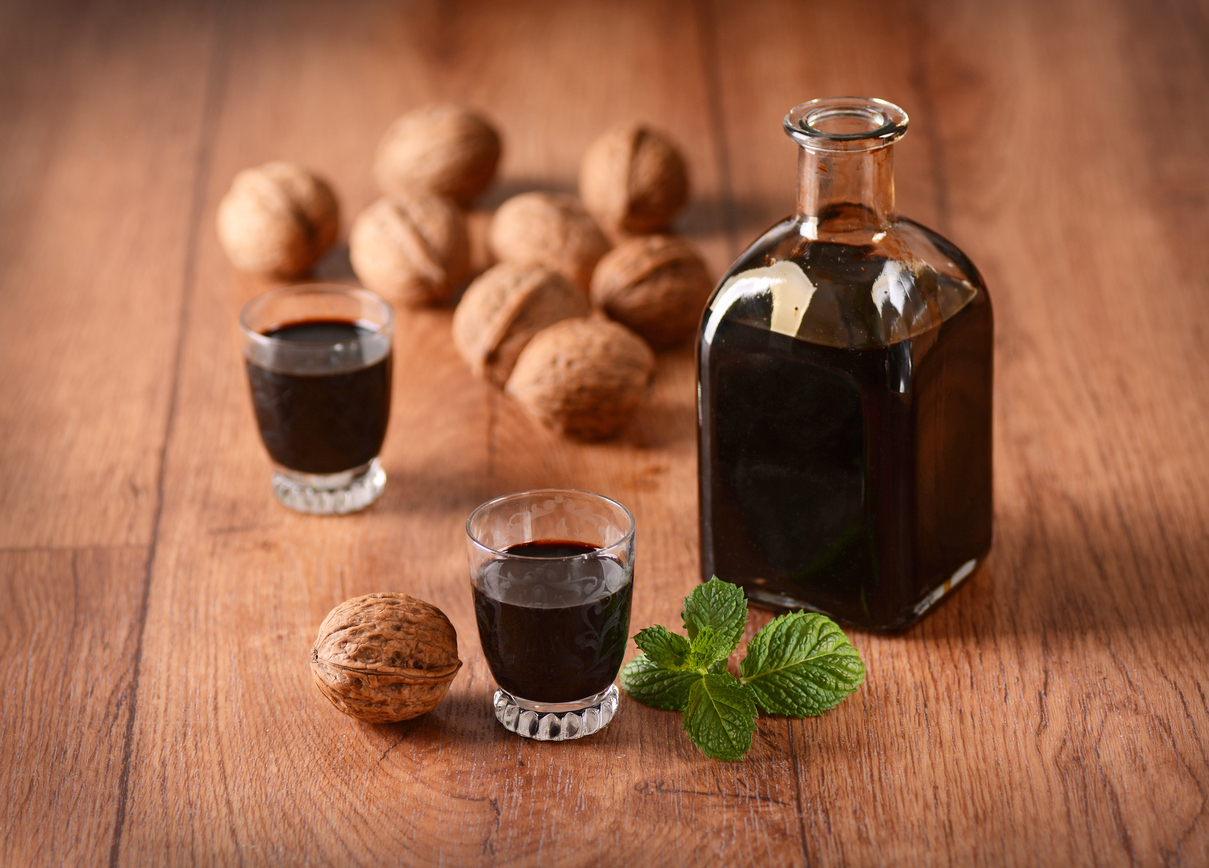
nocino in the bottle - Traditional Italian liqueur
Antrodoco. Walnut Liqueur

Nocino is a liqueur made from walnut (noci) typical of Sabina and in the past every family used to make its own Nocino.

Tradition has it that the collection of the walnut fruit should happen on June 24, St. John's Day.

It is greenish colour and has a bitter taste obtained from unripe fruits of walnut.

The fruits are divided into four parts and put to macerate in white wine for about 40 days.

The infusion is then filtered and diluted with pure alcohol, water and sugar.

The liquor is bottled and left to rest for about 1 year.

powered by social2s
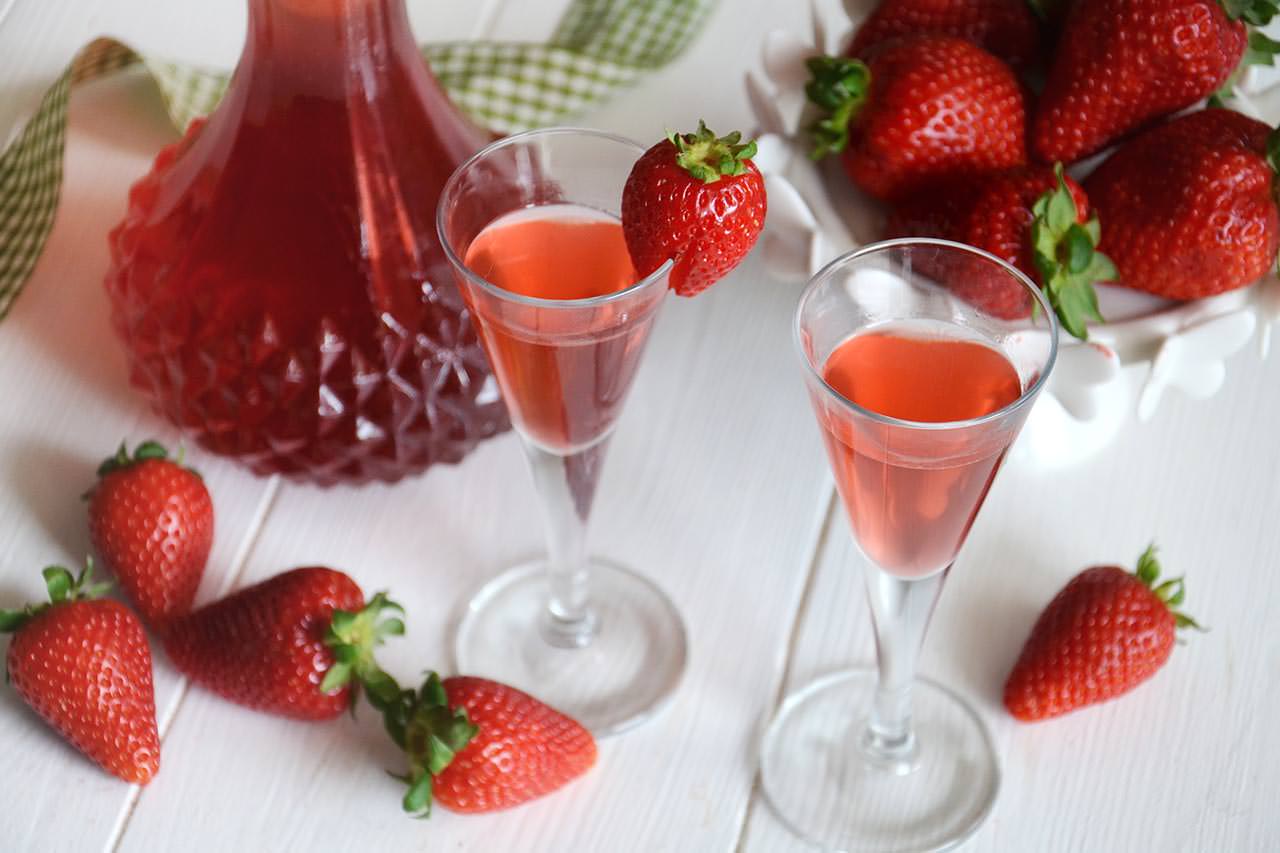
Antrodoco. Fragolino Liqueur

The Fragolino Liqueur is a liqueur made from wood small strawberries.

These are picked and left to soak in pure alcohol for about 40 days.

The infusion is then filtered, diluted with water syrup and sugar, bottled and left to stand for about 30 days.

The preparation of this fragolino liquor takes place according to a recipe handed down from generation to generation.

powered by social2s
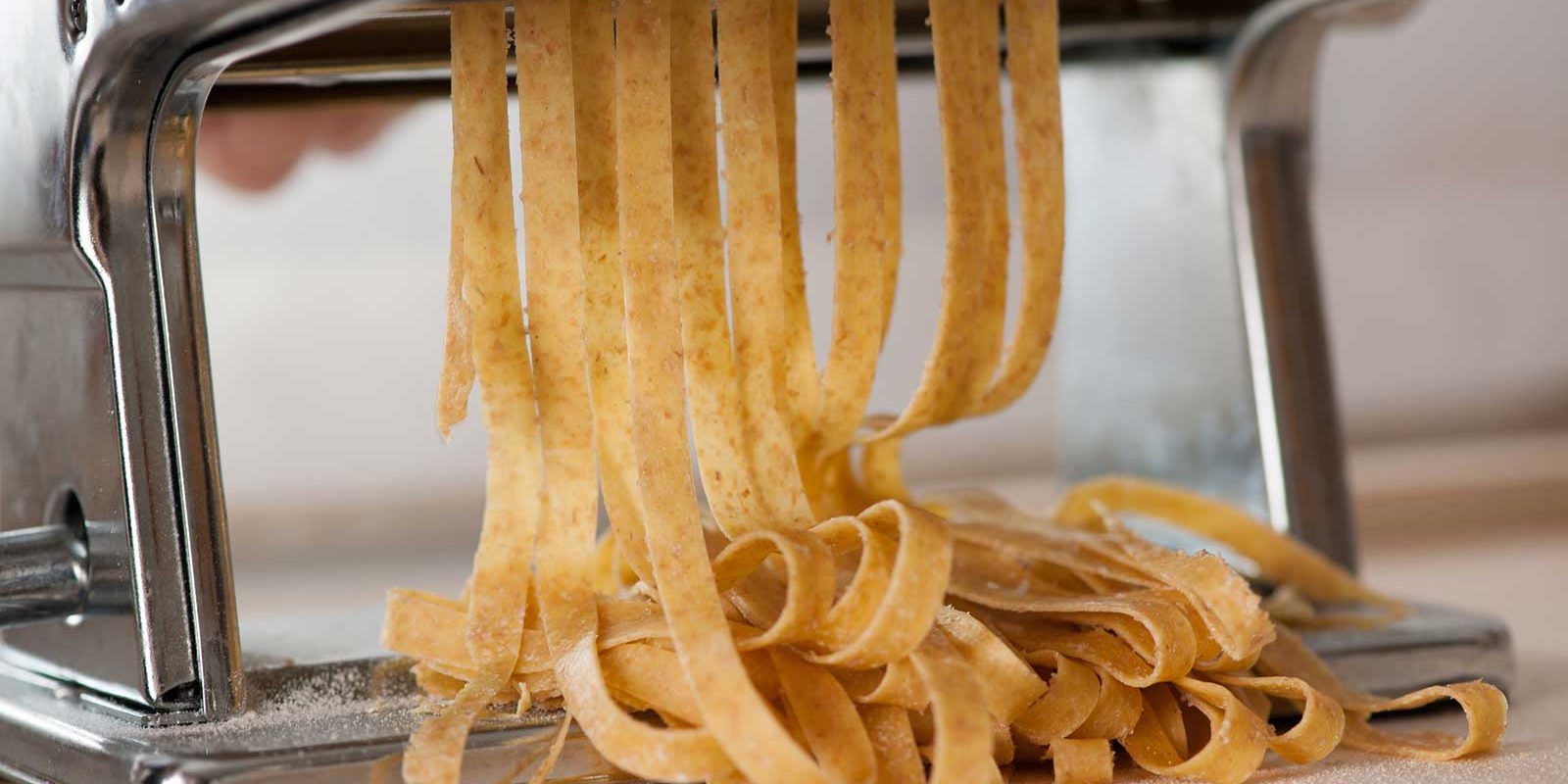
Antrodoco. Chestnut Tagliatelle

Antrodoco is surrounded by chestnut woods and chestnuts have been the base of its economy for many years.

This autumn fruit is renown for its nutritional properties and it is used in cuisine. The chestnut noodles are featured for their slightly sweet taste.

They are prepared by adding chestnut flour to the traditional mix of tagliatelle (noodles).

The ingredients are then: flour, chestnut flour, eggs, a pinch of salt and a few tablespoons of water.

The mixture is handmade worked till is smooth and elastic. From this is prepared a thin sheet from which the classic tagliatelle are cut.

The sauce is made of melted butter, sage and cheese.


powered by social2s

Subscribe to Newsletter

Discover a territory through the emotions of the people that have lived it.