Antrodoco. Marrone Antrodocani Chestnuts

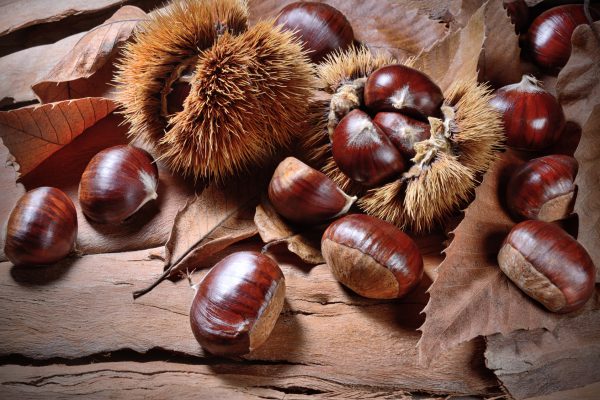
Antrodoco is surrounded by chestnut trees that produce the typical 'Marrone antrodocani' (brown chestnuts of Antrodoco).

The marrone chestnut stands out from other chestnut for its larger fruits, clear skin with dark stripes.

The inner skin is very thin and does not penetrate the fruit that has a sweet taste.

The Marrone chestnut tree is more delicate than that of the common chestnut and is less productive.

Its fruits are the most sought after and appreciated.
powered by social2s
Lenola. Bread with Potatoes

Lenola was once part of the Kingdom of the Two Sicilies and has a cuisine that is influenced by the traditions of southern Italy.

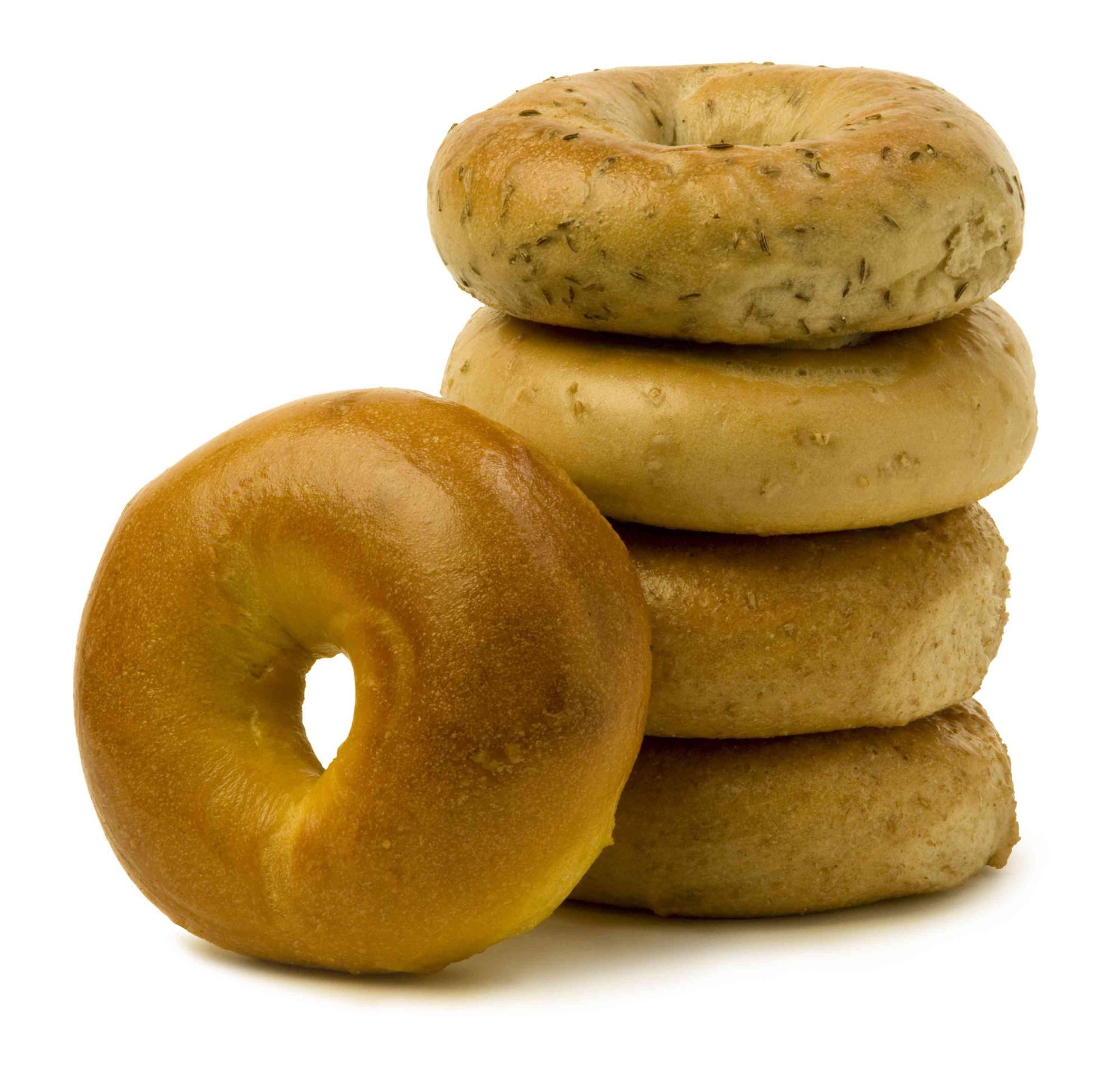
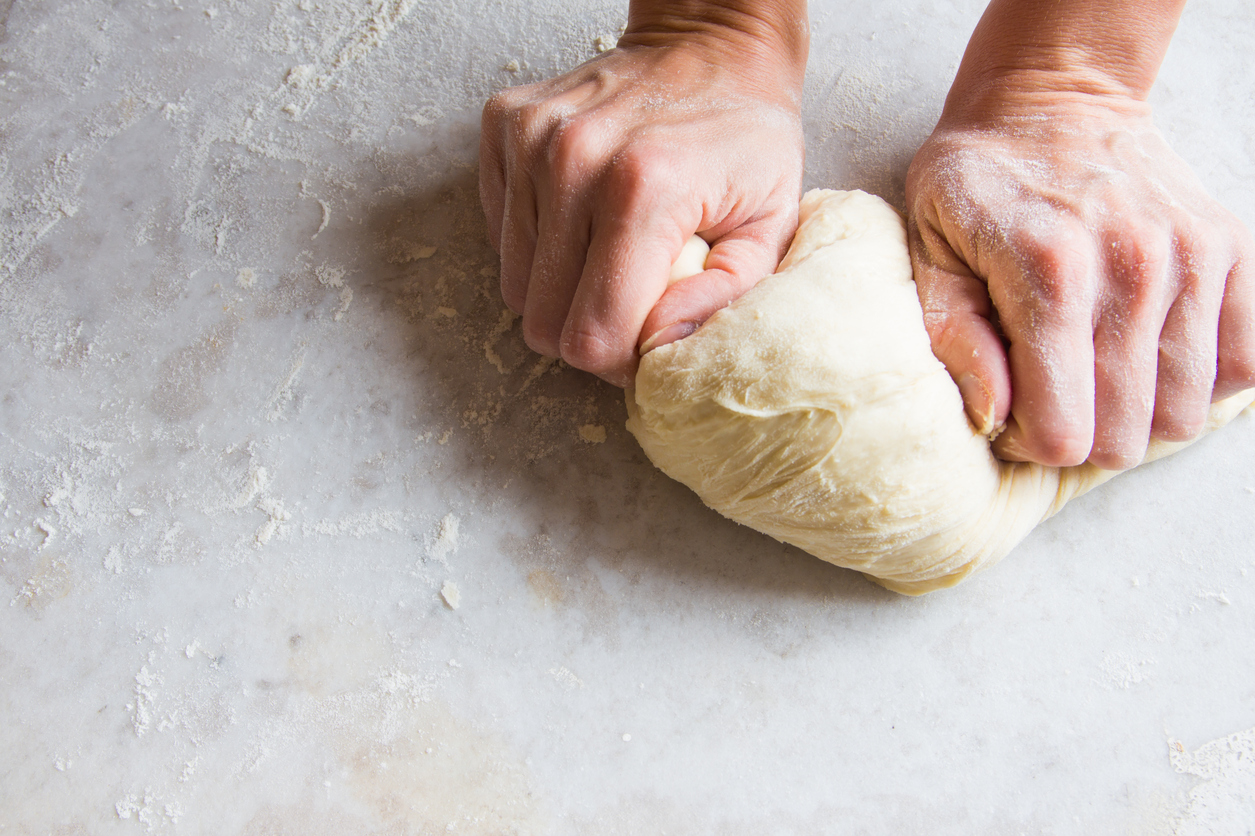
One of the delights to taste is bread with potatoes, made by adding boiled potatoes to the traditional bread dough.

Bread with Potatoes of Lenola is baked in a wood oven, has a soft crumb and a characteristic sweetish taste.

powered by social2s
Lenola. Struffoli

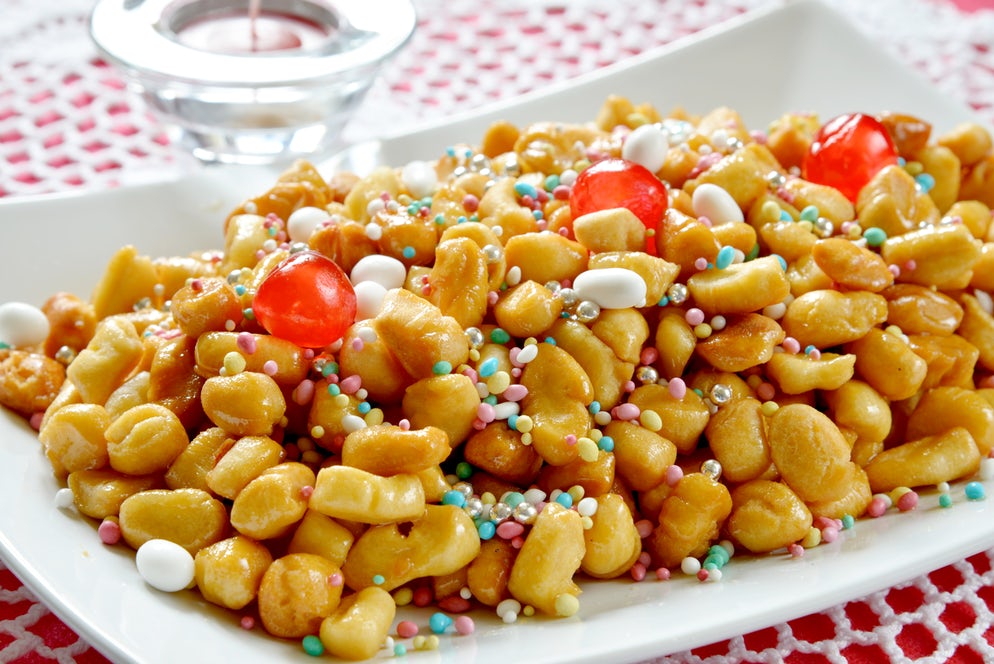
Struffoli are a traditional dessert served and produced in Lenola during the Christmas and carnival period.

This cake is made of small balls of dough made of flour, eggs, sugar and grated lemon.

These are then fried in olive oil and assembled with honey.

In other nearby towns this cake is called Cicerchiata.

powered by social2s
Lenola. Taralli

The Taralli of Lenola are a typical baked product of the southern Italian tradition that the peasants used to bring during their work in the fields.

They are made with a mixture of flour, water, sugar, salt, aniseed, olive oil.

But each family and each bakery add particular ingredients to create their own unique recipe.

Small donuts are formed with the dough, which are then brushed with egg yolk and baked in the oven.

They are also traditionally used instead of bread to accompany aperitifs or snacks based on wines, cheeses and cured meats.

powered by social2s
Ventotene Lentils

The first crops of lentils in Ventotene Island dates from the early 1800s, but they were probably planted originally by the Romans.

The Ventotene Lentil has been included in the list of traditional products of Lazio.

This legume, the first to be cultivated and consumed by man as early as 5500 BC, was the staple food of the Greeks and Romans for its high nutritional value.

The name of the noble family of Lentuli comes from 'lens' (lentil in Romano).

Cato himself wrote some recipes, while Galen, a famous physician of the time, emphasized the therapeutic virtues.

powered by social2s
Santi Cosma e Damiano. Laina Pasta   

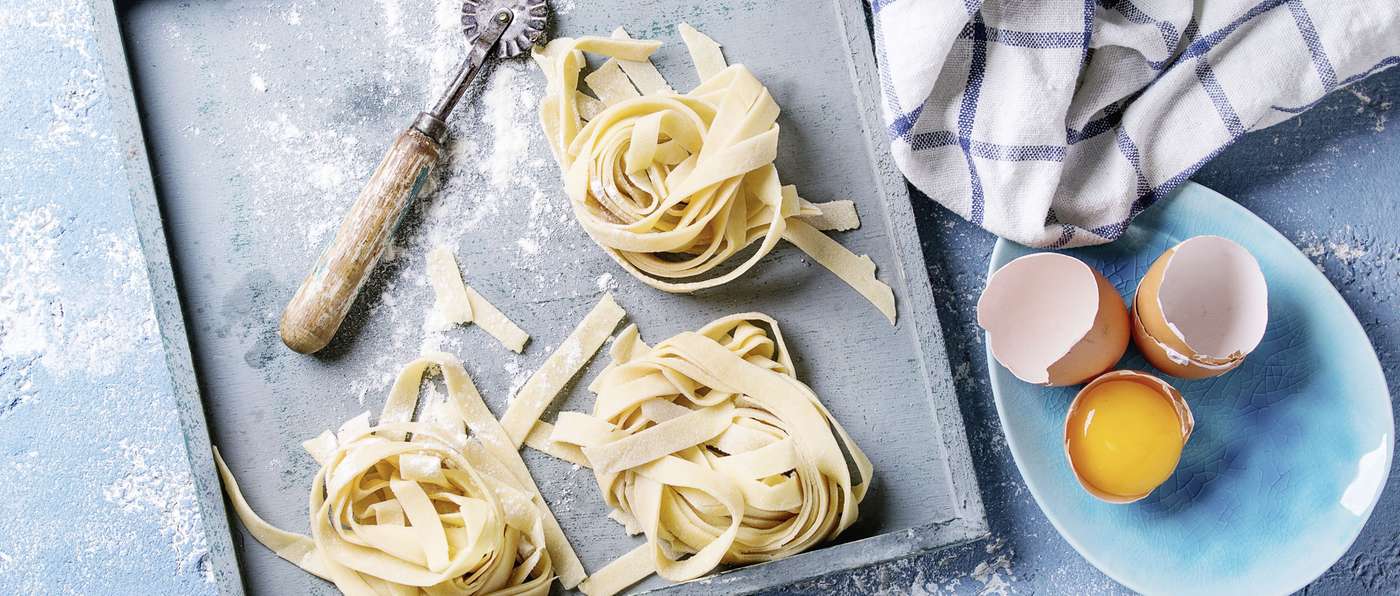
Laina is a type of handmade pasta, typical of the lower Ciociaria andSanti Cosma e Damiano. It is obtained by mixing the wheat flour with water and salt.

The dough must be worked vigorously and spread with a rolling pin (lainaturo).

The dough once made, is covered with a thin layer of flour, and then rolled up on itself and cut with a knife into strips not too thin. Before being cooked, the dough is left to dry.

The laina is a poor people' dish and is accompanied by traditional local vegetables of the country.

The typical combination is with the 'sauce with chick peas' or 'sauce with chickling peas'.
 

powered by social2s
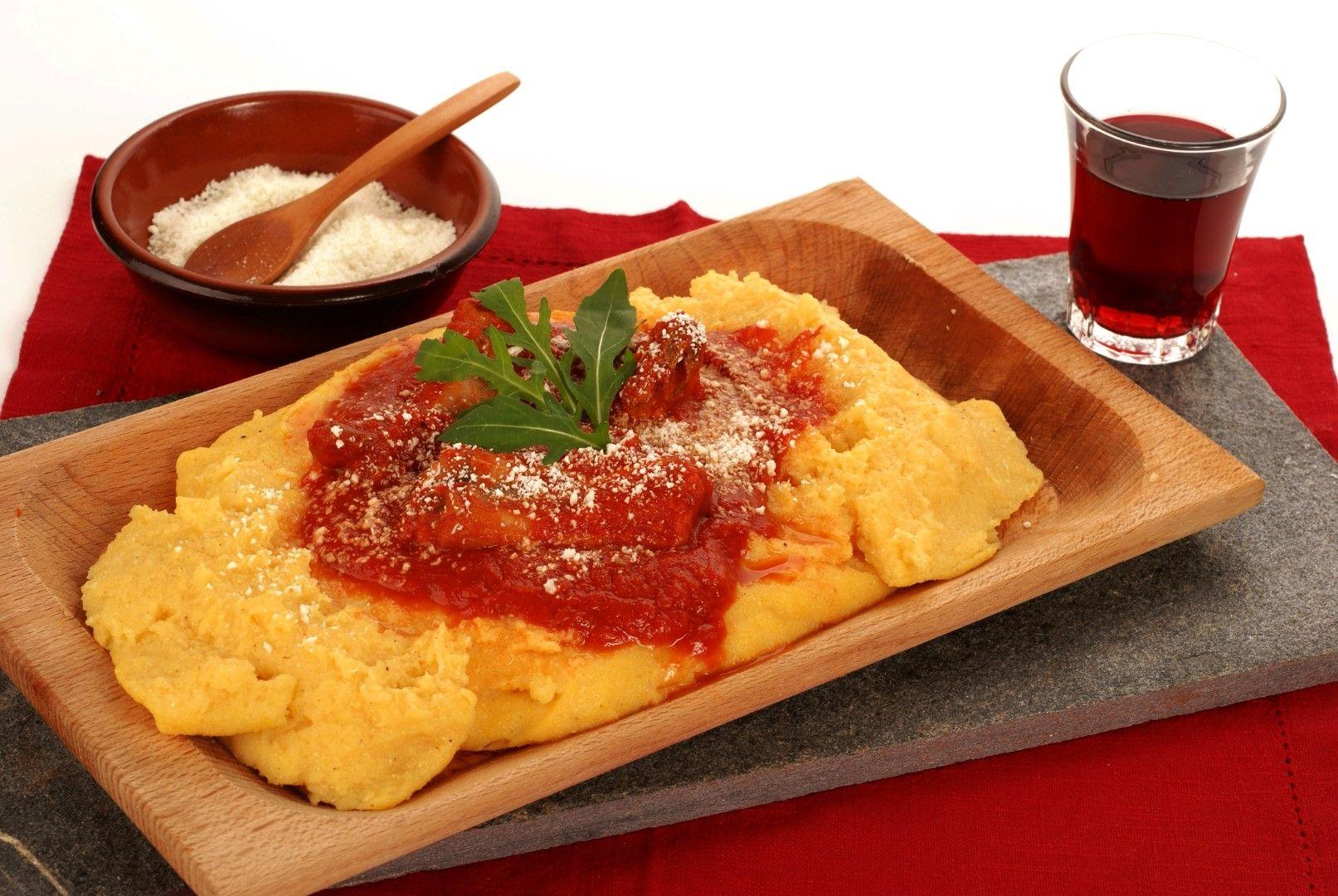
Roccagorga. Polenta one the Board

Polenta is one of the most important meals of the peasant diet in Ciociaria region and in Roccagorga.

In the past, polenta was eaten all together on a large wooden board called 'spianatora'.

Today polenta has become a refined dish and is served in individual portions.

powered by social2s

Subscribe to Newsletter

Discover a territory through the emotions of the people that have lived it.