Tarquinia. Scorzone Truffles

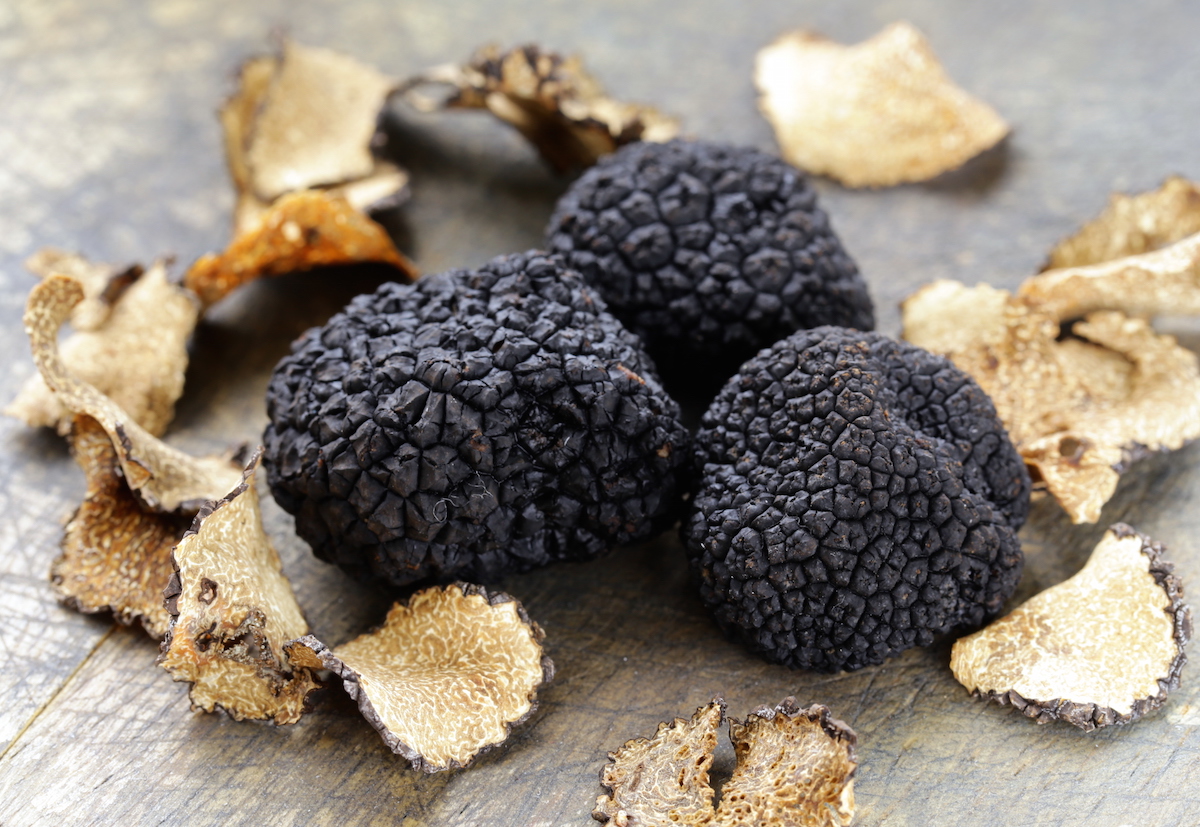
The summer black truffle or scorzone of Tarquinia has a scent not overly strong and a bitter mushroom flavour.

Truffles are found in the vicinity of oak and turkey oak trees and are collected between May and July.

The ancient Romans considered it, along with the farro, an important tonic.

The presence of the product in this district is attested from the Middle Ages, but the collection has spread since the early 1970s.
powered by social2s
Tarquinia. Maremma Viterbese Fennel

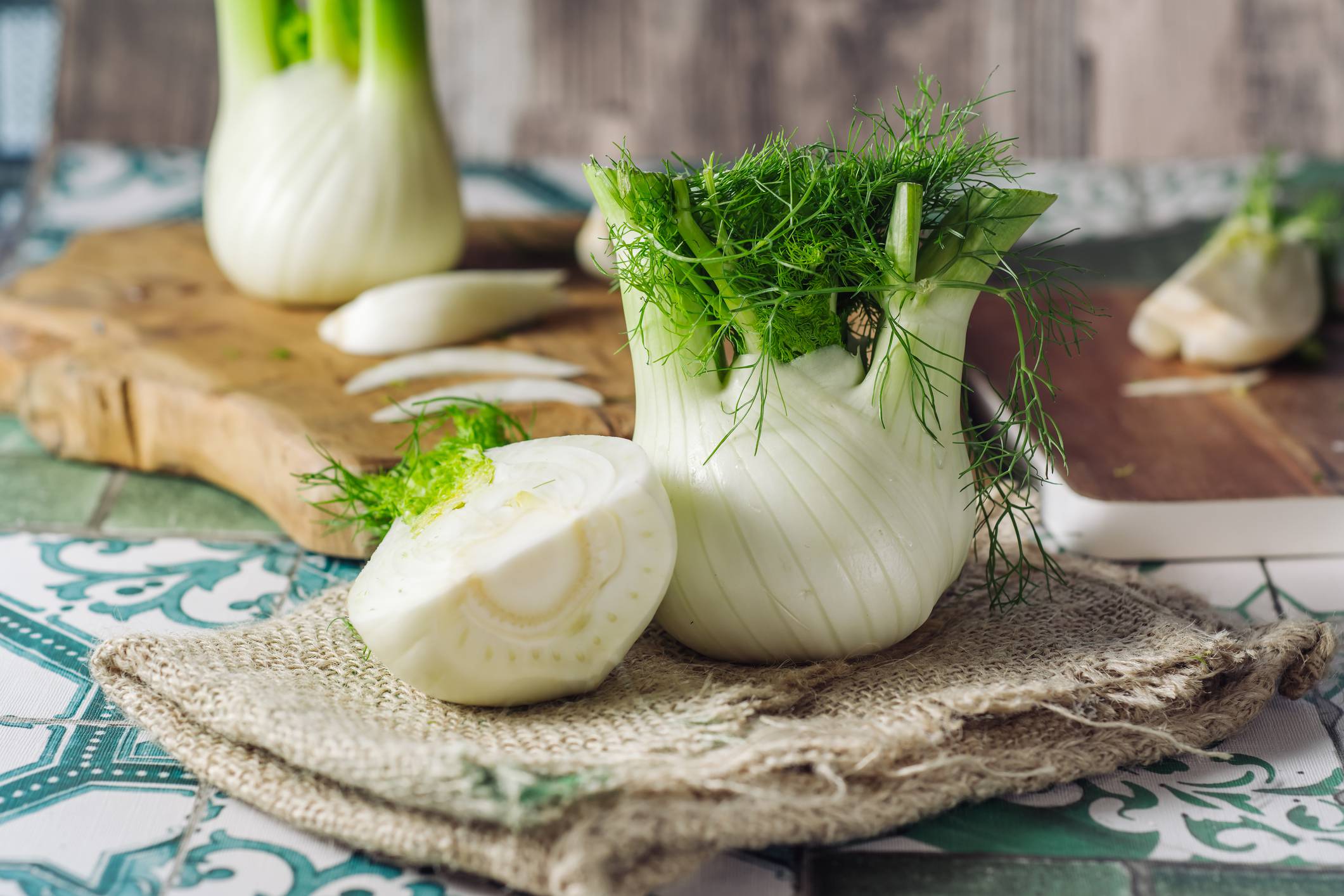
Fennel of Viterbo Maremma has a long tradition and are cultivated also in the area of Tarquinia.

It is already in 1379, in the Statute of Ortolani, reference is made to the horticultural lands cultivated outside walls, providing information on fennel, and on its sale.

It is shown also in a contract of sale of a vegetable garden, of 1 April 1850.

In 1949, with the creation of the Consorzio di Bonifica della Maremma Etrusca, the cultivation of fennel has been increased in the area.
 

powered by social2s

Tarquinia is an area for growth of ​​the type Roman Artichokes DOP.

According to tradition, the Etruscans introduced the cultivation of the artichoke in the territory of Tarquinia and it was reintroduced in the early 1900s.

In 1930 it was on display in the first exhibition of Tarquinia vegetables and, in 1933, 13,000 were brought

powered by social2s
Soriano nel Cimino. The Monti Cimini Chestnut

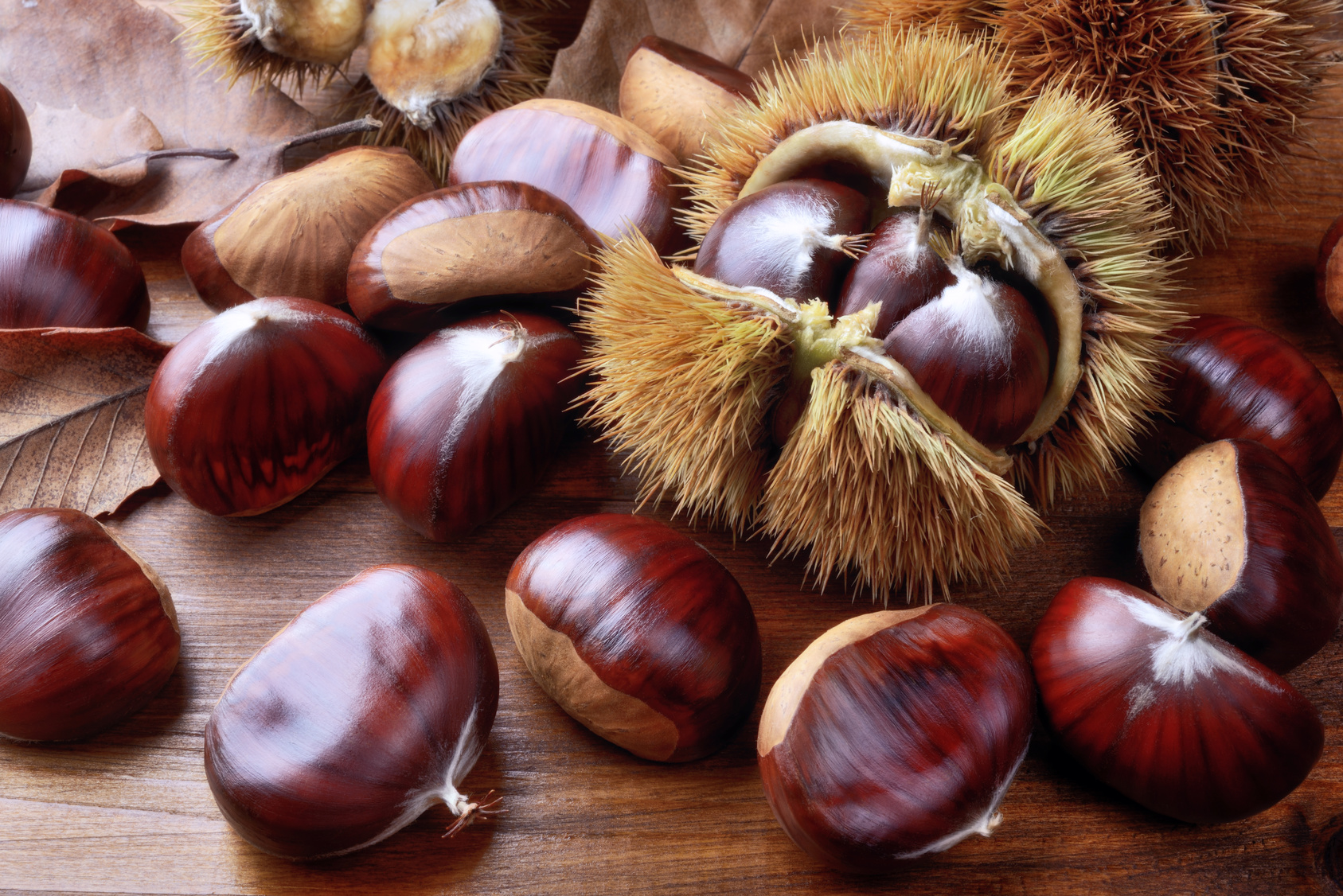
The Monti Cimini is a Marrone chestnut of the Florentine quality and is grown between 500 and 700 meters above sea level.

In Soriano nel Cimino, the chestnuts are consumed fresh, roasted or boiled in the pot.

They are also dry to get the 'mosciarelle' (soft) from which we get the chestnut flour.

Under the name 'Marronedei  Monti Cimini' this chestnut was included on the national list of traditional Italian food products.

powered by social2s
Onano. Lentils

The Onano Lentil has an ancient tradition and the first citation is found in the "Orders, Statutes, Municipal Laws of the Community and People of Onano" of 1561.

In a manuscript of 1800 Epifanio Giuliani recommended that to revive the economies of the communities they should produce more lentils and export them in Tuscany.

It is said that Pope Pius IX, on the evening in 1871 when the church lost its temporal power, consoled himself by enjoying a good dish of lentils of Onano.

The lentil has received awards at various international exhibitions in 1910 (Rome and Buenos Aires) and in 1911 (London and Paris).

powered by social2s
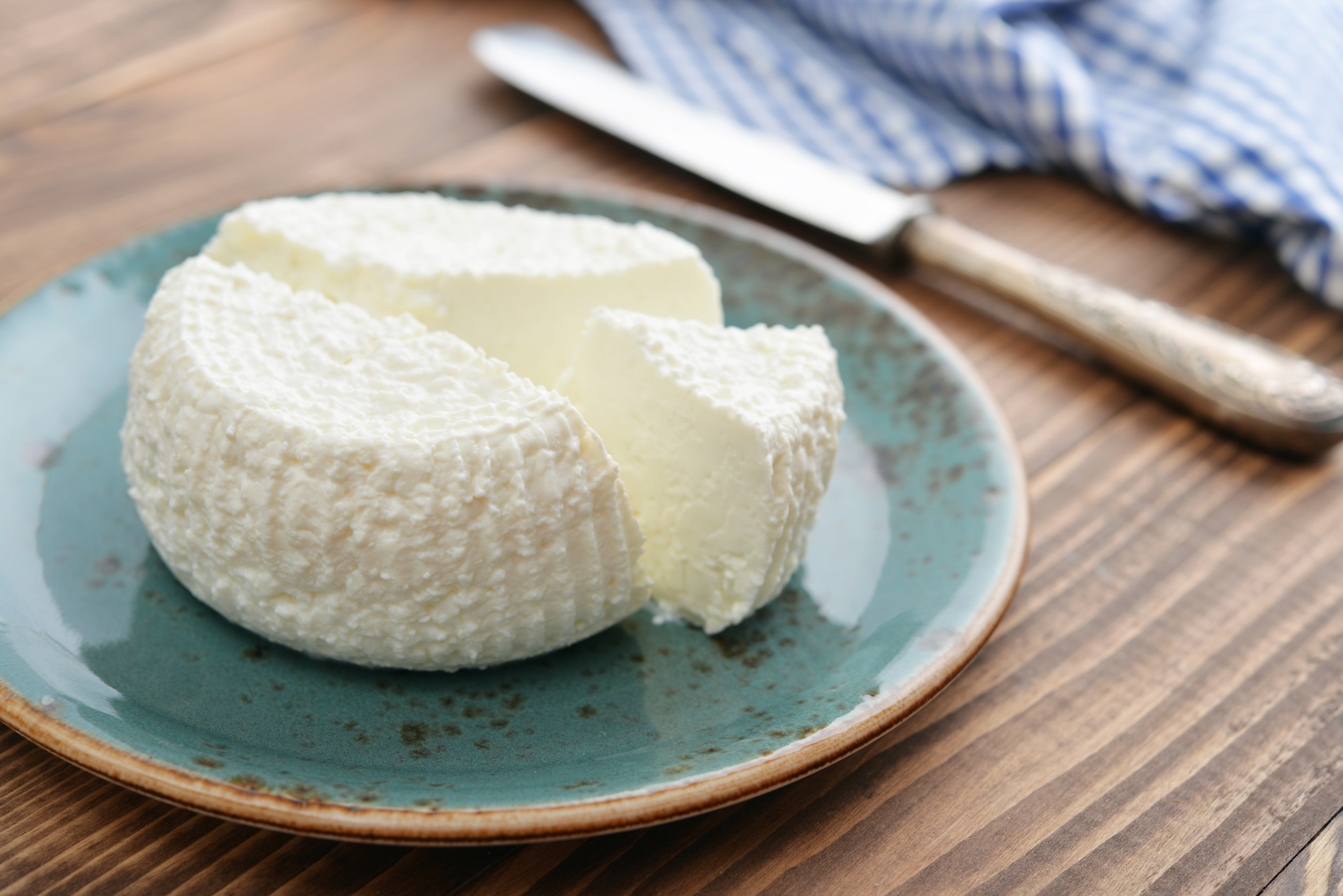
Nepi. Ricotta Romana DOP

In Nepi the famous Ricotta Romana DOP is a whey cheese produced with local cow or sheep milk. The sheep graze in the wide meadows of Tuscia region with correspond to the province of Viterbo.

The name ricotta (cooked twice) comes from the production style. It is made by coagulation of the waste water of cheese production and therefore it doesn't have casein and it is called 'latticino'.

The cottage cheese dates back to the Roman period and a first reference was made by Marco Porzio Catone who collected the procedures that regulated sheep farming in Republican Rome.

At that time, the sheep's milk had three purposes: religious, as a drink and for processing into cheese with the use of the residual whey for producing precisely the ricotta.

Ricotta Romana DOP is identifiable by the logo and has a distinctive sweet taste that distinguishes it from any other type of ricotta.

powered by social2s
Water of Nepi

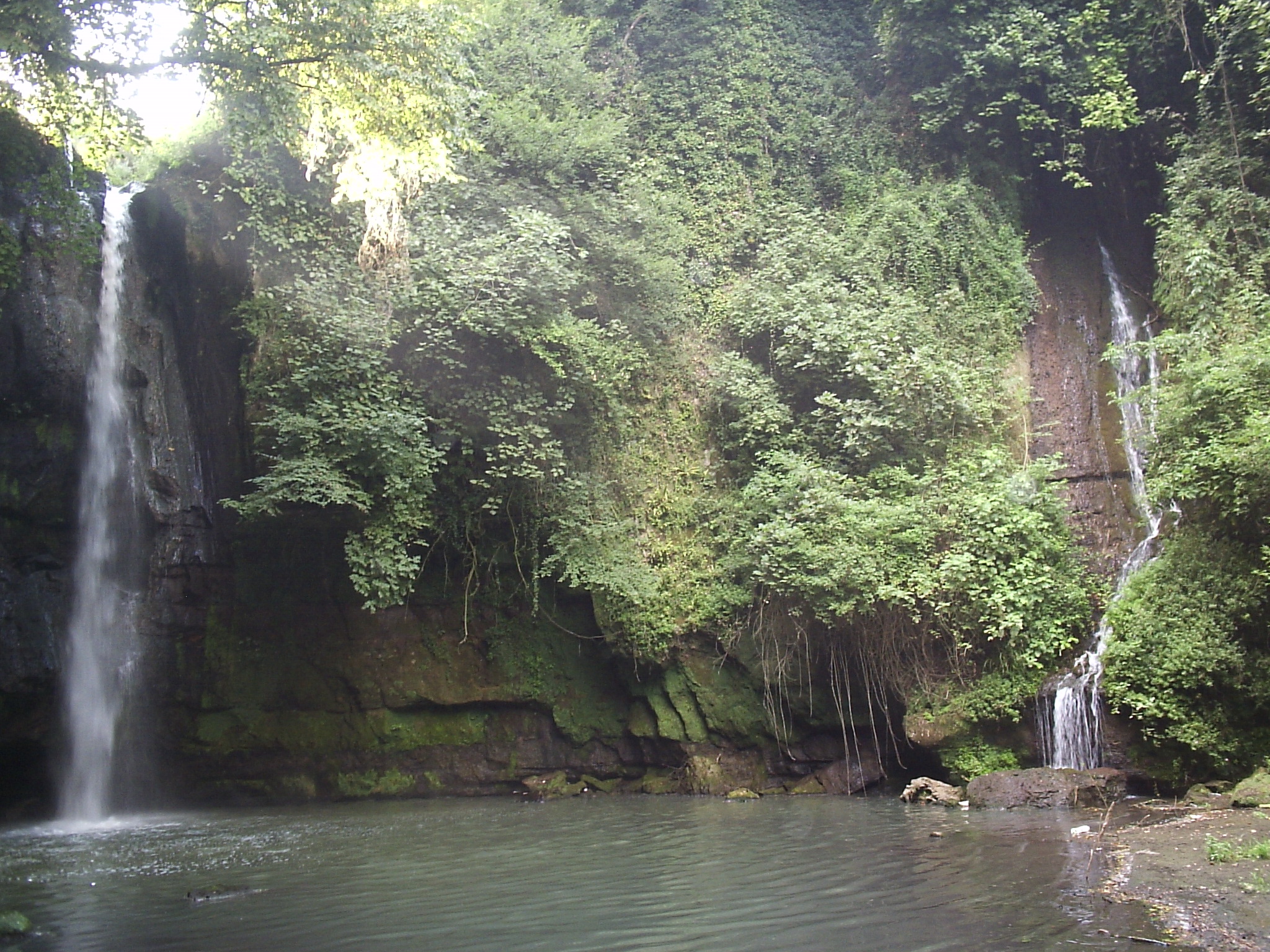
Nepi is particularly famous for its water and next to the main south gate of the town there is a powerful and enchanting waterfall called Cavaterra formed by Treja River. 

Originally the river was part of the defence system of the city and was flowing next to the city walls.

The city has a motto: “La città di Nepi, nobile e potente, nei cui campi fertilissimi sgorgano acque salutifere” (The city of Nepi, noble and powerful, in whose fertile fields gush salutary waters).

Acqua di Nepi is bottled and sold throughout Italy.
 

powered by social2s
Monte Romano. Ferlenghi Mushrooms

The Ferlengo, is a fungus that grows on ferla stumps, a plant similar to fennel and widespread in the Maremma, especially in Tarquinia and Monte Romano.

It has a tasty flavour similar to that of porcine. In the local culinary tradition, the Ferlengo is cooked on the grill, in sauces, sautéed in the pan, the pan with mint or fried golden.

It should be eaten preferably fresh but can also be preserved in oil.

powered by social2s

Subscribe to Newsletter

Discover a territory through the emotions of the people that have lived it.