vasanello-olio-di-oliva-tuscia-dop.jpg


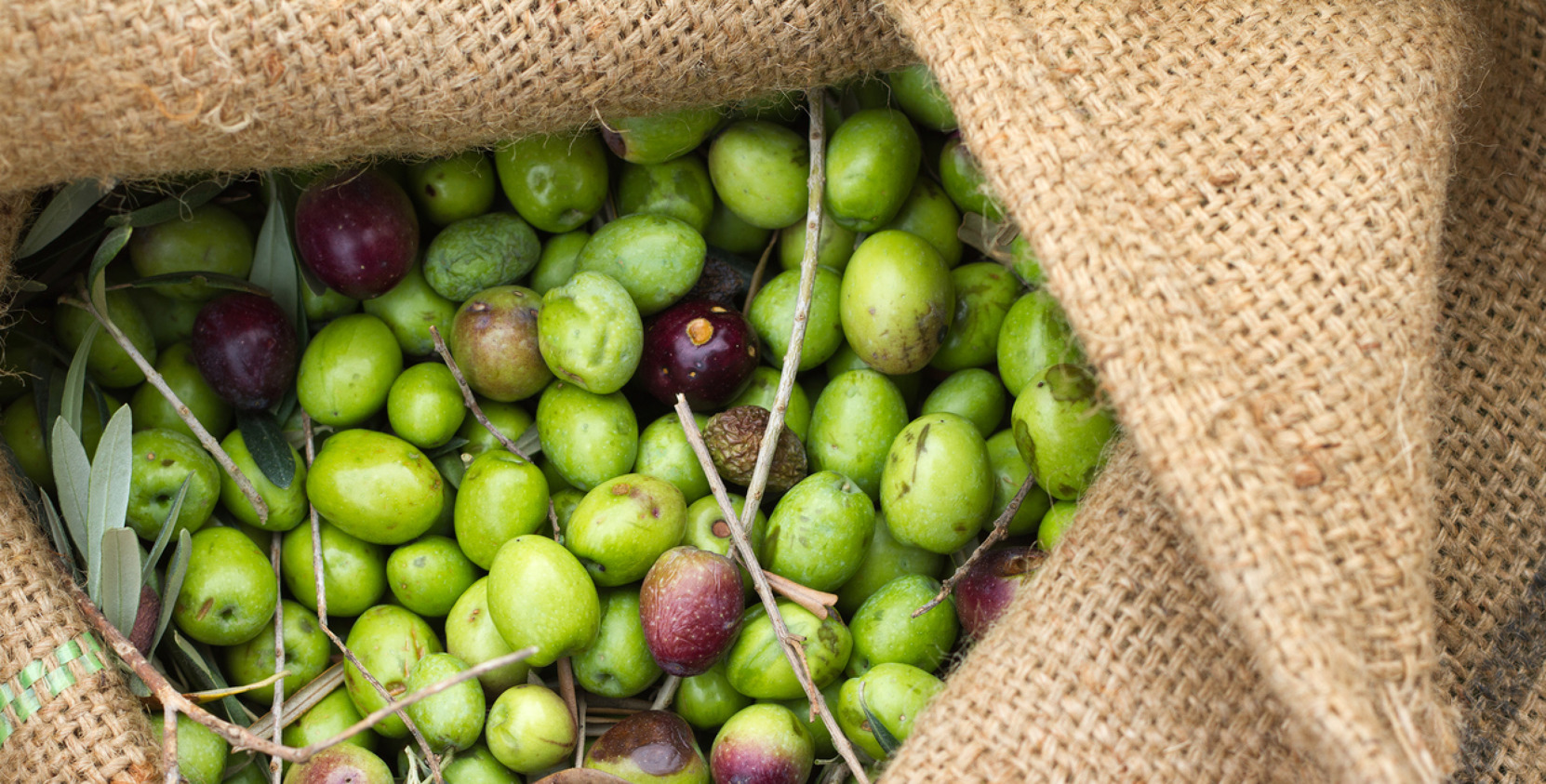
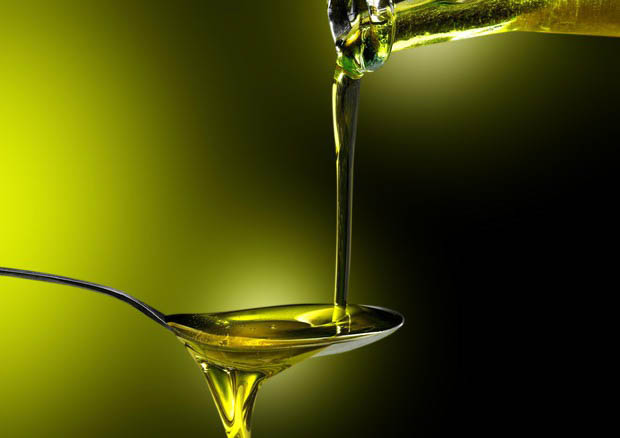
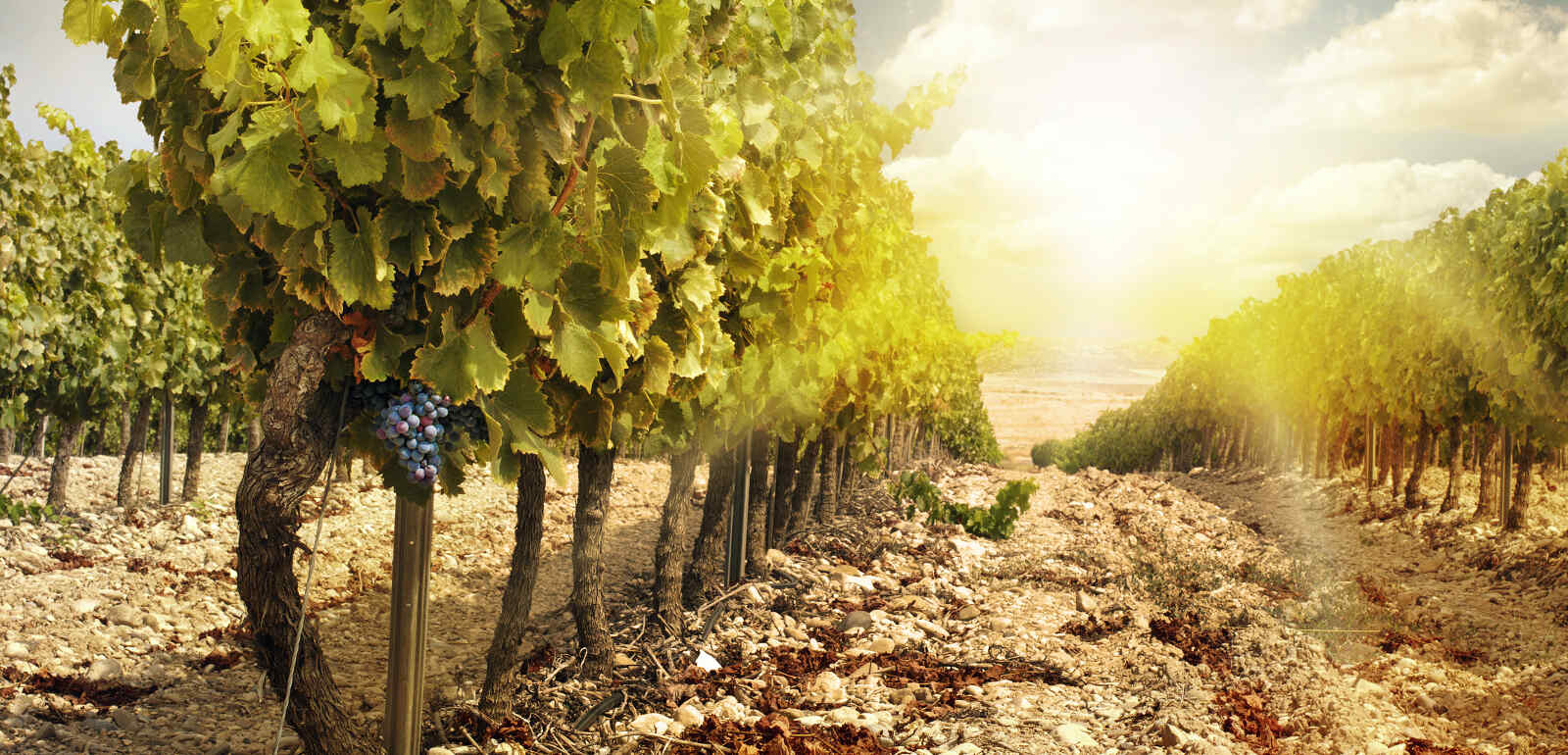
In Arlena di Castro, the DOP 'Tuscia' Oil is produced from olives of the Frantoio, Leccino and Canino varieties.

It has an emerald green color with golden highlights and a fruity smell reminiscent of healthy, fresh fruit, harvested at optimum ripeness.

Its flavour is medium fruity with balanced bitter and spicy aftertaste.

powered by social2s
Vino-DOC-Colli-Etruschi-Viterbesi-_iS_74369843_.jpg

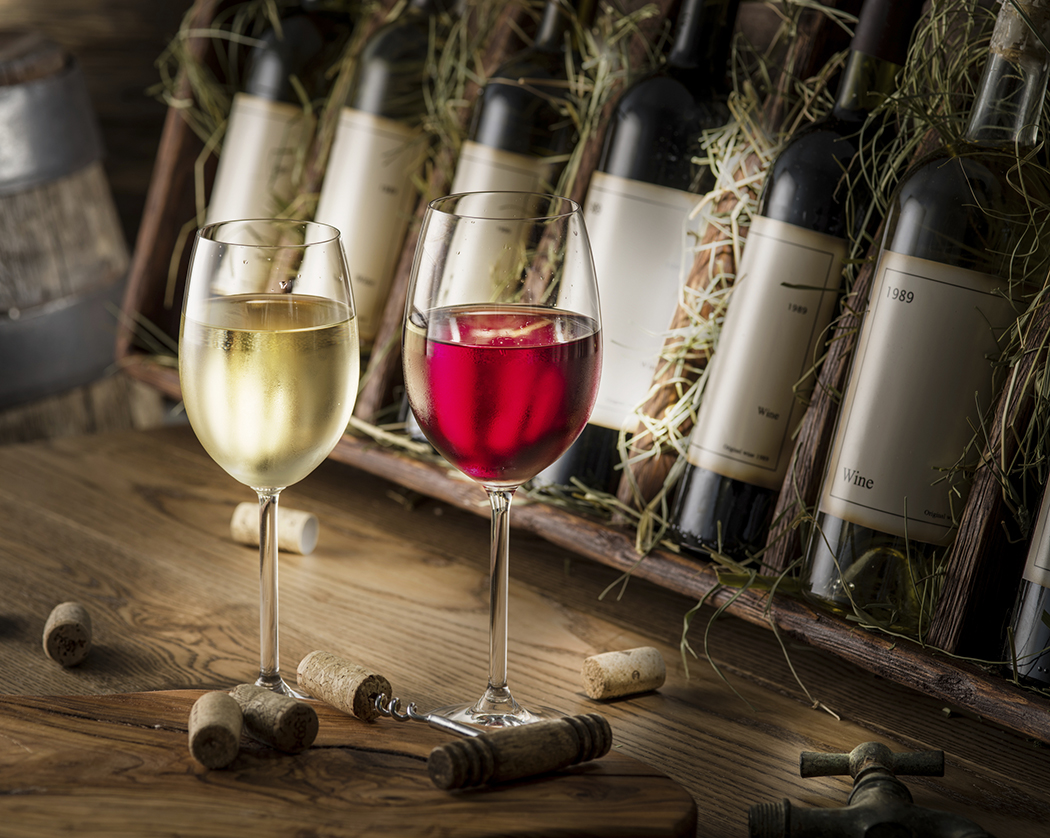
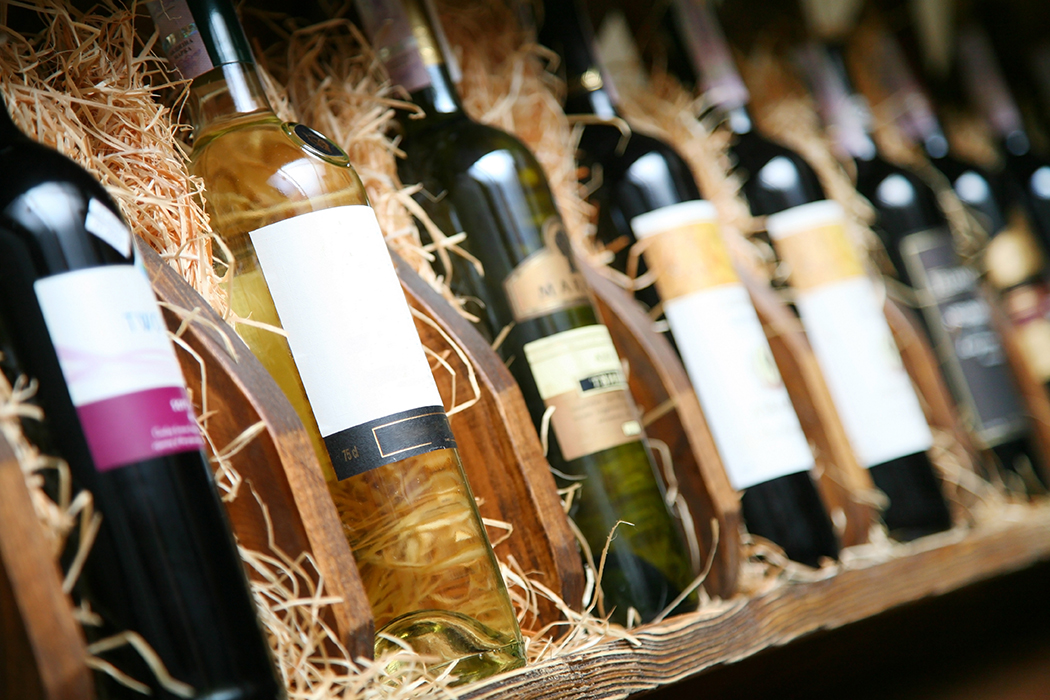
Arlena di Castro is part of the production area of wines that take the name Colli Etruschi Viterbesi or Tuscia DOC.

This area includes a large part of the province of Viterbo where vines are grown such as Trebbiano Toscano, locally called Procanico, Tuscan or Lazio Malvasia as a base for white wines and Montepulciano and Sangiovese as a base for red wines.

The Colli Etruschi Viterbesi or Tuscia DOC denomination includes red, white, dry, sweet and sparkling wines.

powered by social2s
Olio-di-Oliva-Canino-DOP_iS_000007907462_Large-1024x768.jpg

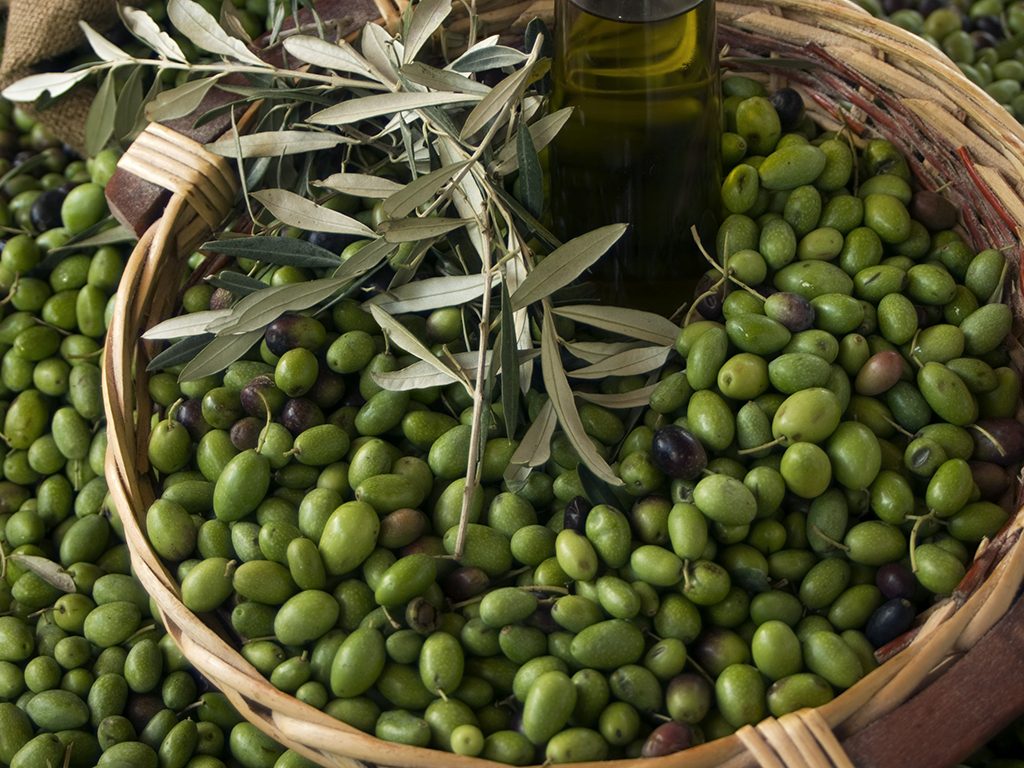
In Arlena di Castro, the Canino Oil DOP is obtained from the olive varieties: Caninese, Leccino, Pendolino, Maurino and Frantoio.

It has an emerald green colour with gold reflections and a fruity aroma reminiscent of fresh fruit.

Olives are picked at the optimum time of maturation when they are still green to preserve their nutrients.

Its flavour is decisive with a bitter and spicy aftertaste.

powered by social2s
Arlena di Castro. Tarquinia DOC Wine

[metaslider id="109856"]

Arlena di Castro is part of the Tarquinia DOC Wine area where is produced excellent white wine, the dry and sparkling version, and red wine.

The grapes for the white wine are Trebbiano toscano (Procanico), Trebbiano Giallo, Malvasia di Candia and Malvasia del Lazio. For the red wine Sangiovese, Montepulciano and Cesanese grapes are used.

The cultivation of grapes in northern Lazio began with the Etruscans and was first documented in a fourth-century BC tomb in the necropolis of Molesino. You see a Faliscan 'stamnos' with black and red figures representing Dionysus and Oinopion, i.e. a rounded vase with two handles, with which the wine was brought to the table to serve with a long bronze ladle.

Some writings of Pliny describe in more detail the grape growing and wine production that the Romans stimulated and developed.

In Statonia (in the territory of Vulci) in 540-530 BC wine production was more than sufficient for local production and was sent to Gravisca (ancient port of Tarquinia) and was sold overseas as evidenced by the discovery of the wreck of a sixth Etruscan ship century BC discovered in the sea in front of Marseille.

The Roman writer Martial describes the Cerveteri wine, 'Caeretanus' as of good quality and with a flavour that resembled old Setino. Columella instead celebrates the ancient Cere for its exquisite wine.

After the Middle Ages, before the abbeys and then the Papal States production and promotion of wine resumed.

The Statutes of the city of Civitavecchia 1451 contained 20 chapters that regulated the production and trade of wine. They described the harvest period, the penalties for people who damaged vineyards and the measures that tavern owners had to use for sale.

In 1761, the Marquis Frangiapani in the book 'Story of the ancient city of Civitavecchia' describes some local vineyards.


powered by social2s
Acquapendente. Colli Etruschi Viterbesi or Tuscia DOC Wine

[metaslider id="109558"]

Acquapendente is part of the production area of wines that take the name Colli Etruschi Viterbesi or Tuscia DOC.

This area includes a large part of the province of Viterbo where vines are grown such as Trebbiano Toscano, locally called Procanico, Tuscan or Lazio Malvasia as a base for white wines and Montepulciano and Sangiovese as a base for red wines.

The Colli Etruschi Viterbesi or Tuscia DOC denomination includes red, white, dry, sweet and sparkling wines.

powered by social2s
Acquapendente. Tuscia Olive Oil DOP

[metaslider id="109613"]
In Acquapendente the DOP 'Tuscia' Oil is produced from olives of the Frantoio, Leccino and Canino varieties.

It has an emerald green colour with golden highlights and a fruity smell reminiscent of the healthy, fresh fruit, harvested at optimum ripeness.

Its flavour is medium fruity with balanced bitter and spicy aftertaste.

powered by social2s
acquapendente-pecorino-toscano-dop.jpg


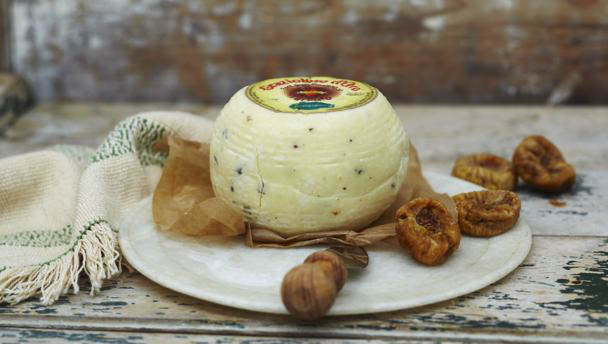
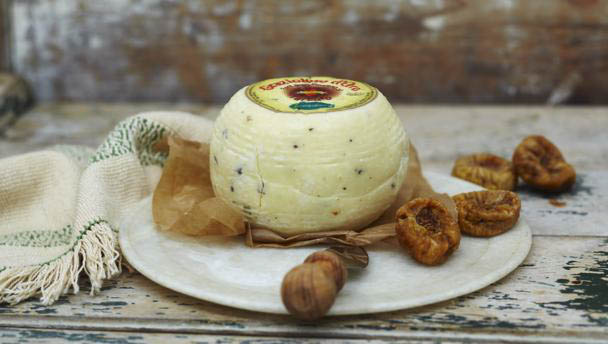
Acquapendente is a beautiful town at the border between Tuscany and Lazio regions, and the Pecorino Toscano DOP is a very typical cheese.

Sheep farming in Tuscany dates back to the Etruscan period.

The first historical notes on the Pecorino Toscano DOP come from the time of the Romans and in the ‘Naturalis Historia’, Pliny the Elder describes the production of cheese of Luni, Lunigiana today.

In 1400 it was known under the name "cheese marzolino" because it is produced from March and throughout spring.

It was very welcome and appreciated by Lorenzo the Magnificent.

A mid-nineteenth century, Pecorino Toscano was already a product that was produced according to a production protocol.

powered by social2s
Acquapendente. Upper Viterbese Potato PGI

[metaslider id="109625"]

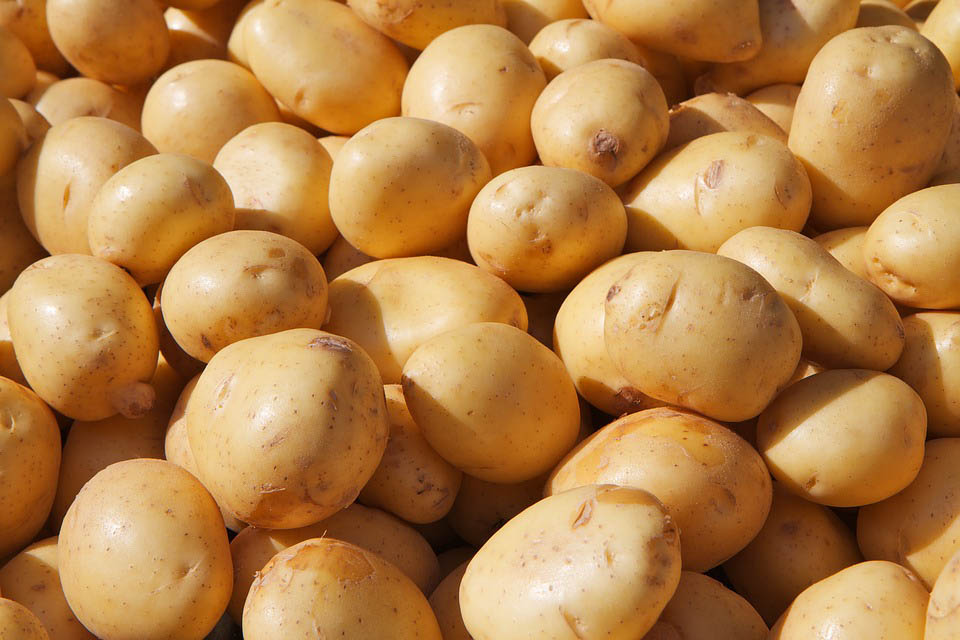
Acquapendente in the north of Viterbo province is one of the Town of Potatoes.

The Upper Viterbese Potato PGI (patate dell'Alto Viterbese IGP) are famous for their taste.

Potatoes are enriched with minerals from the volcanic soils of the northern part of the province of Viterbo, rich in natural nutrients and above all in potassium and calcium.

They have an elongated and regular oval shape, a yellow pulp and a smooth yellow skin.

They are perfect to be enjoyed with potato omelette, pasta with potatoes or in the mixture of potato gnocchi.

Many towns organize festivals in honor of the potato or the famous potato gnocchi.

powered by social2s

Subscribe to Newsletter

Discover a territory through the emotions of the people that have lived it.