Canino. Lazio Roman Artichoke IGP

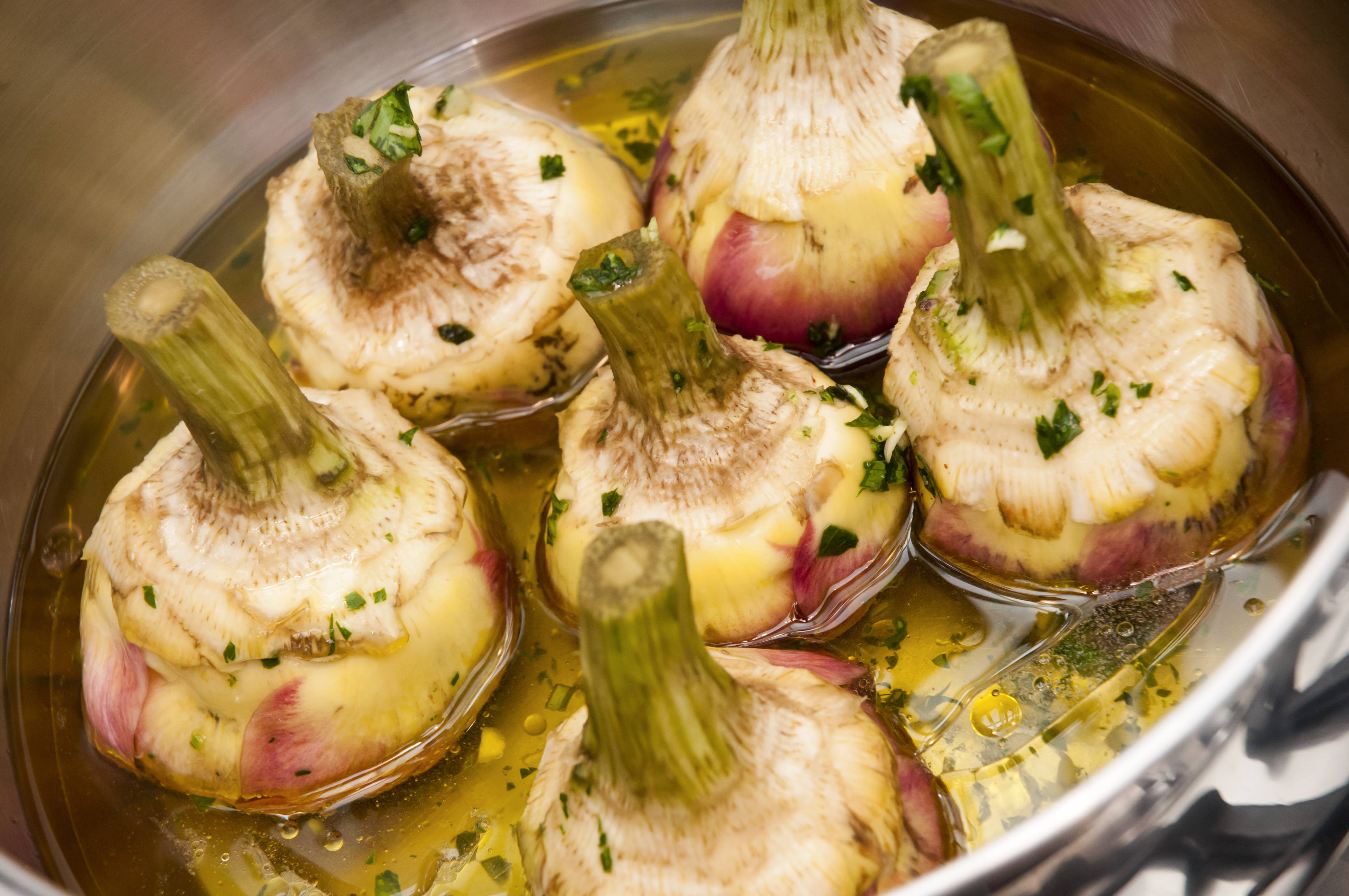
Canino is in the area of cultivation of the famous Roman Artichoke IGP - Protected Geographical Indication. also called "cimarolo" or "mammola".

This artichoke has a spherical shape, is compact and is thornless.

It is harvested from February to May and in the kitchen is cooked in many dishes such as Jewish artichokes, Roman artichokes, matticella (roasted in embers).

Roman Artichoke is so tasty that can be eaten row just with the famous Extra Virgin Olive Oil Canino DOP, salt and Lemmon.
 

powered by social2s
castagne.jpg


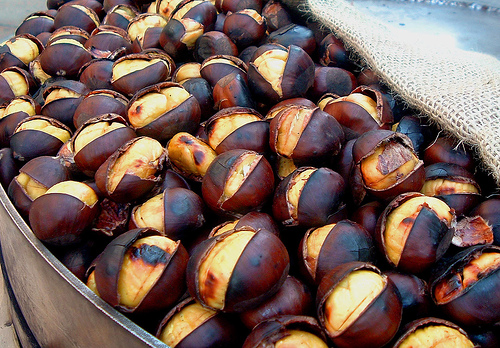
[caption id="attachment_48252" align="center-block" width="500"]Castagne Castagne[/caption]
The Canepina chestnuts belong to the type known as "Florentine Chestnut" and are called Marrone dei Monti Cimini (Chestnut of the Cimini Mountains).
These woods are best suited for these fruits to acquire a unique flavour and sweet flesh.
The chestnut harvest is done manually for the entire month of October.
 
powered by social2s
Bassano Romano. Tarquinia DOC Wine

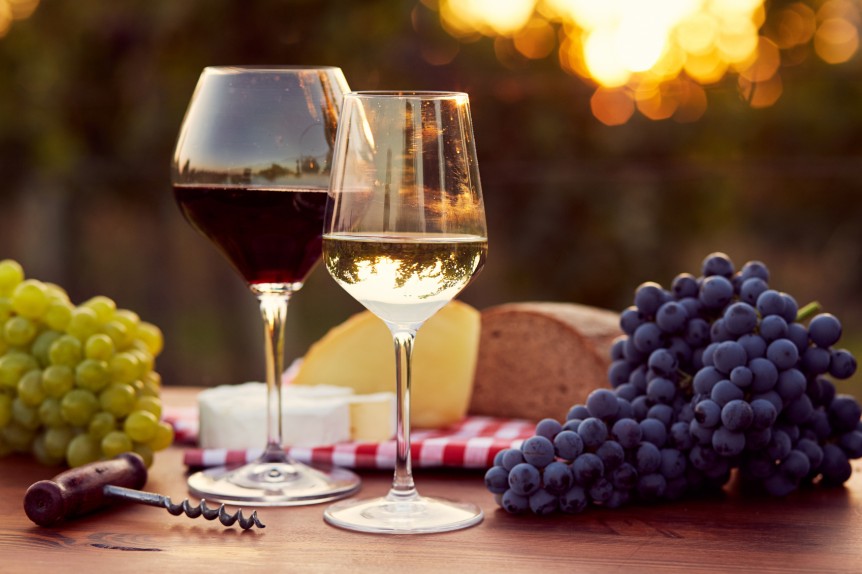
Bassano Romano is part of the Tarquinia DOC Wine area where is produced excellent  white wine, the dry and sparkling versione, and red wine.

The grapes for the white wine are Trebbiano toscano (Procanico), Trebbiano Giallo, Malvasia di Candia and Malvasia del Lazio. For the red wine Sangiovese, Montepulciano and Cesanese grapes are used.

The cultivation of grapes in northern Lazio began with the Etruscans and was first documented in a fourth-century BC tomb in the necropolis of Molesino.

Some writings of Pliny describe in more detail the grape growing and wine production that the Romans stimulated and developed.

In Statonia (in the territory of Vulci) in 540-530 BC wine production was more than sufficient for local production and was sent to Gravisca (ancient port of Tarquinia) and was sold overseas as evidenced by the discovery of the wreck of a sixth Etruscan ship century BC discovered in the sea in front of Marseille.

The Roman writer Martial describes the Cerveteri wine, 'Caeretanus' as of good quality and with a flavour that resembled old Setino. Columella instead celebrates the ancient Cere for its exquisite wine.

After the Middle Ages, before the abbeys and then the Papal States production and promotion of wine resumed.

The Statutes of the city of Civitavecchia 1451 contained 20 chapters that regulated the production and trade of wine. They described the harvest period, the penalties for people who damaged vineyards and the measures that tavern owners had to use for sale.

In 1761, the Marquis Frangiapani in the book 'Story of the ancient city of Civitavecchia' describes some local vineyards.

powered by social2s
Bassano in Teverina. Colli Cimini IGT Wine

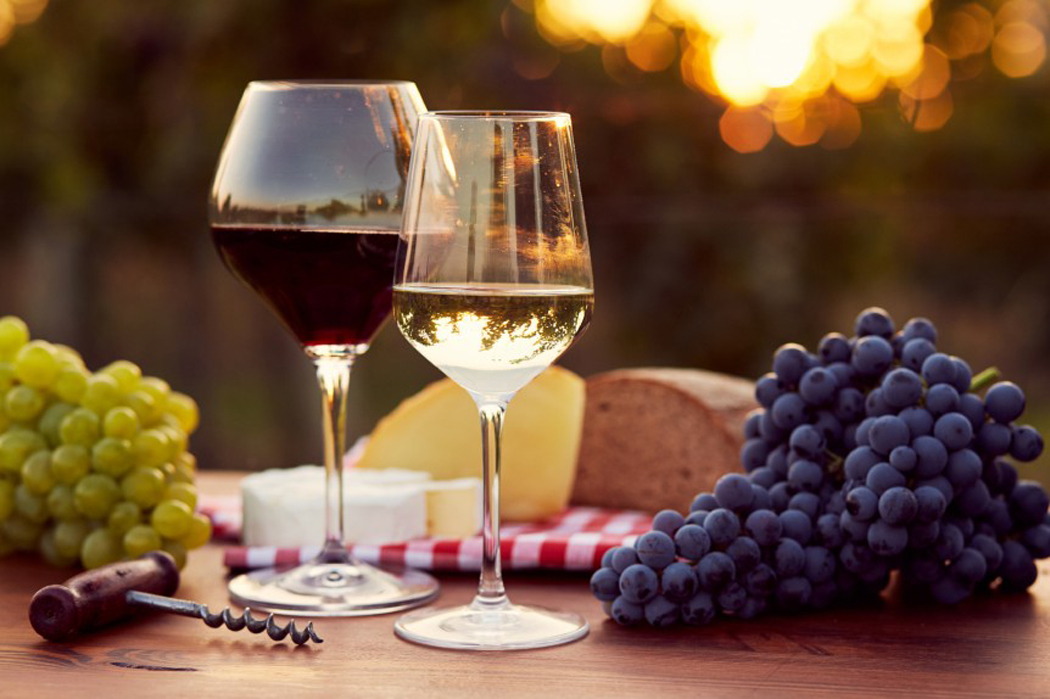
Bassano in Teverina is in the area of production of Colli Cimini Wine IGT - Protected Geographical Indication which include the province of Viterbo north of Rome.

Wines can be produced using different grapes such as Aleatico, Ansonica, Bellone, Bombino Bianco, Cabernet Franc, Cabernet Sauvignon, Cesanese comune, Cesanese di Affile, Chardonnay, Ciliegiolo, Grechetto, Grechetto Rosso, Malvasia di Candia, Malvasia del Lazio, Manzoni Bianco, Merlot, Montepulciano, Moscato Bianco, Moscato di Terracina, Nero Buono, Passerina, Petit Verdot, Semillon, Trebbiano di Soave, Trebbiano Giallo, Trebbiano Toscano, Fiano, Vermentino and Syrah.


The Cimini Hills have the distinction of being of medium height and having volcanic soil. Here are cultivated mainly vines from Lazio that produce typical and unmistakable wines.

Already in 1883, in a survey on agriculture are listed the cultivation of white grapes Bello, Greco, Moscatello, Petino, Procanico, Romanesco and Rossetto and red grapes Aleatico, Cannaiola, Porcina and Prugnolo.

The cultivation of grapes in northern Lazio began with the Etruscans and is first documented in a fourth-century BC tomb in the necropolis of Molesino.

You can see a Faliscan 'stamnos' with red figures representing Dionysus and Oinopion, i.e. a rounded vase with two handles, with which they brought the wine to serve to the guests at the table with a long bronze ladle.

Some writings of Pliny describe with greater detail the cultivation of grapes and production of wine that the Romans stimulated and developed.

After the Middle Ages, before the abbeys and then the Papal States, wine production resumed and was further promoted.


powered by social2s
Barbarano Romano. Ricotta Romana DOP

In Barbarano Romano, the ricotta (cottage cheese) dates back to the Roman period and a first reference was made by Marco Porzio Catone who collected the procedures that regulated sheep farming in Republican Rome.

At that time the sheep's milk had three purposes: religious, as a drink, and for processing into cheese with the use of the residual whey for producing precisely the ricotta.

Ricotta Romana DOP is identifiable by the logo. It has a distinctive sweet taste that distinguishes it from any other type of ricotta.

The name ricotta means 'cooked twice' and derives from the production process of ricotta. The preparation starts with the  milkwhey left from the production of other cheese which is already without casein. 

The milkwhey is coagulated and ricotta comes out as a soft and creamy product. Technically it is not a cheese but a latticino (same family of mozzarella).

It is used as appetiser with salami and olives or at the end of a meal as a sweet with cocoa powder of marmalade or honey.


powered by social2s
Barbarano Romano. Tuscia Olive Oil DOP

In Barbarano Romano, the DOP 'Tuscia' olive oil is produced from olives of the Frantoio, Leccino and Canino varieties.

It has an emerald green colour with golden highlights and a fruity smell reminiscent of healthy, fresh fruit, harvested at optimum ripeness.

Its flavour is medium fruity with balanced bitter and spicy aftertaste.

powered by social2s
Barbarano Romano. Tarquinia DOC Wine

Barbarano Romano is part of the Tarquinia DOC Wine area where is produced excellent white wine, the dry and sparkling version, and red wine.

The grapes for the white wine are Trebbiano toscano (Procanico), Trebbiano Giallo, Malvasia di Candia and Malvasia del Lazio. For the red wine Sangiovese, Montepulciano and Cesanese grapes are used.

The cultivation of grapes in northern Lazio began with the Etruscans and was first documented in a fourth-century BC tomb in the necropolis of Molesino. You see a Faliscan 'stamnos' with black and red figures representing Dionysus and Oinopion, i.e. a rounded vase with two handles, with which the wine was brought to the table to serve with a long bronze ladle.

Some writings of Pliny describe in more detail the grape growing and wine production that the Romans stimulated and developed.

In Statonia (in the territory of Vulci) in 540-530 BC wine production was more than sufficient for local production and was sent to Gravisca (ancient port of Tarquinia) and was sold overseas as evidenced by the discovery of the wreck of a sixth Etruscan ship century BC discovered in the sea in front of Marseille.

The Roman writer Martial describes the Cerveteri wine, 'Caeretanus' as of good quality and with a flavour that resembled old Setino. Columella instead celebrates the ancient Cere for its exquisite wine.

After the Middle Ages, before the abbeys and then the Papal States production and promotion of wine resumed. The Statutes of the city of Civitavecchia 1451 contained 20 chapters that regulated the production and trade of wine. They described the harvest period, the penalties for people who damaged vineyards and the measures that tavern owners had to use for sale.

In 1761, the Marquis Frangiapani in the book 'Story of the ancient city of Civitavecchia' describes some local vineyards.

powered by social2s
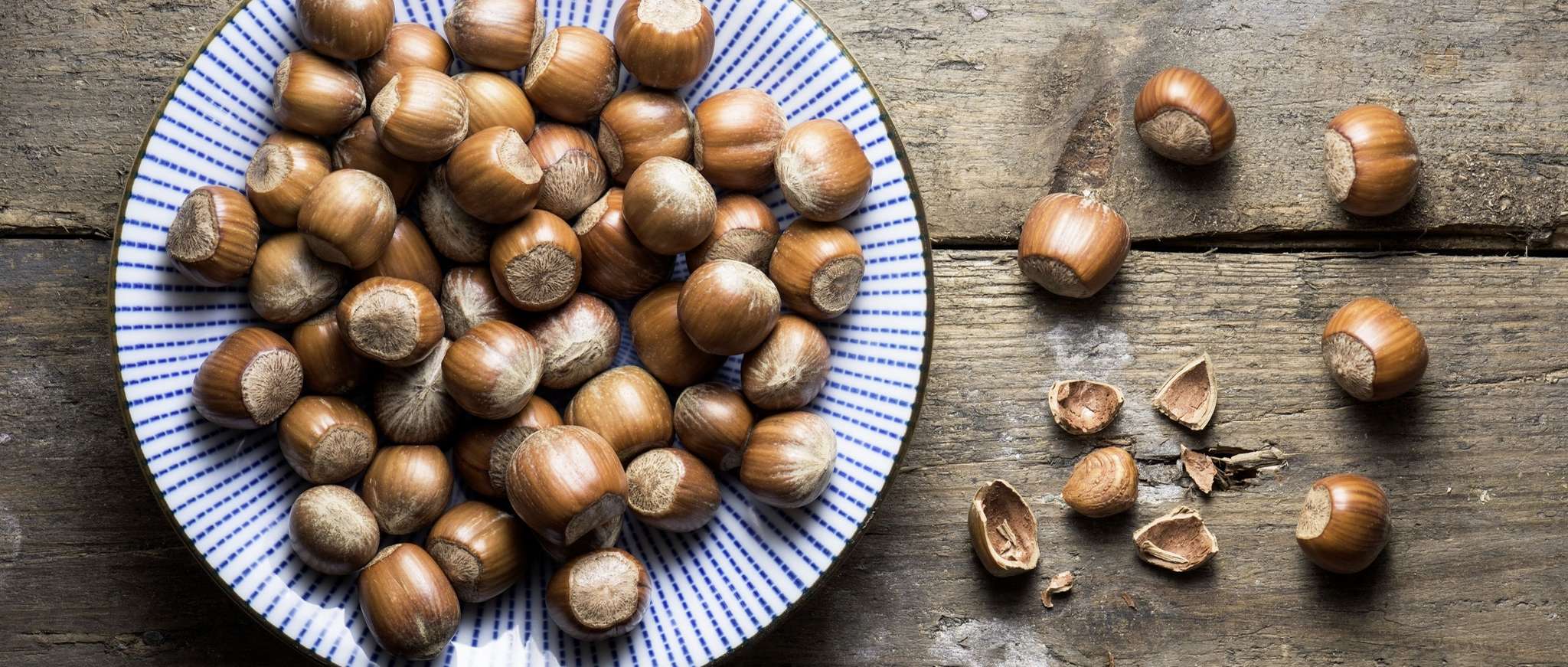
Nocciola-Romana_iS-499782030-1024x436.jpg

Arlena di Castro is in the region of Tuscia renown for the cultivation of Nocchie - Romana hazelnuts DOP, one of the main products of the Mediterranean diet.

They are the basis of many desserts such as Tozzetti, the Ossetti da morto (Deads' bones), the Brutti ma buon (ugly but good), the Mostaccioli in donuts and meringues, but also for meat dishes such as rabbit stew.

Their consumption dates back to pre-Roman times and is mentioned in several documents.

We know they were especially welcomed by Pope Leo X by the "History of the Roman Carnival".

In the twentieth century the reputation of Hazel Romana, Tonda Gentile Romana and Nocchione, has grown and the "National Prize of the Dolce with Tonda Gentile Romana DOP" has been created with the participation of chefs and pastry chefs.
 

powered by social2s

Subscribe to Newsletter

Discover a territory through the emotions of the people that have lived it.