Civita Castellana. Frittellone

The frittellone of Civita Castellana is an omelet, stuffed and sprinkled with grated cheese, a typical salty food in the city of Civita Castellana.

It is known both in Viterbo and in the Roman countryside.

There are variants with parmesan or without filling and, because of its shape, it is reminiscent of the Roman cannelloni.

powered by social2s
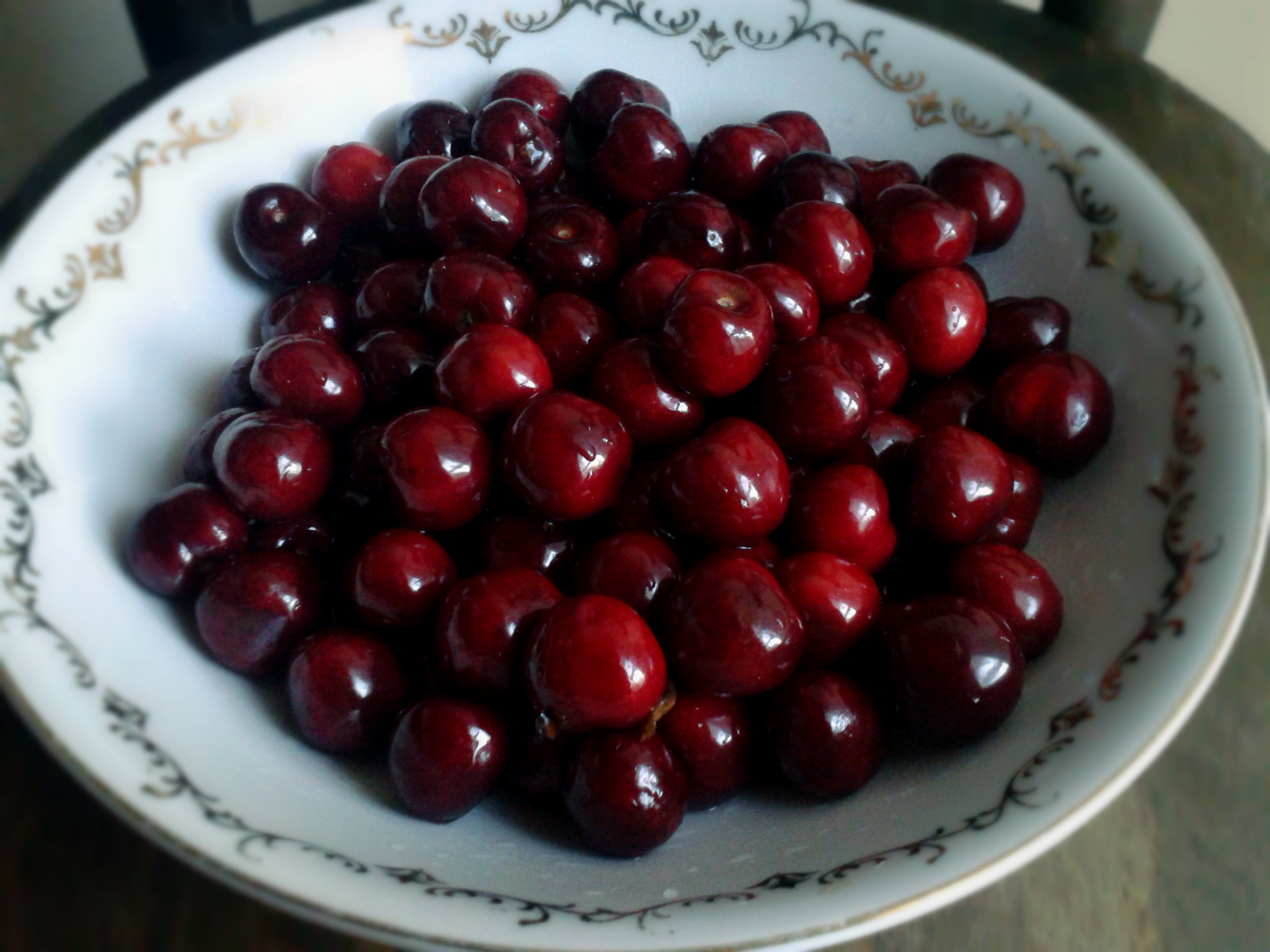
Celleno. Vignola Cherries IGP

The cherry crop of Vignola dates back to mid-nineteenth century as shown by mature trees growing in the vineyards.

The two cultures have alternated for a time, but the cherry tree was more durable and suitable for the climate of the area.

After World War II the production increased significantly and the Vignola cherry arrived in all the Italian and foreign markets.

Its economic and cultural importance is evidenced by the numerous awards from fairs, festivals and publications.

In 2005, Celleno Cherry won the first prize of the National Association "Cities of Cherries".
 

powered by social2s
Castiglione in Teverina. Orvieto DOC wine

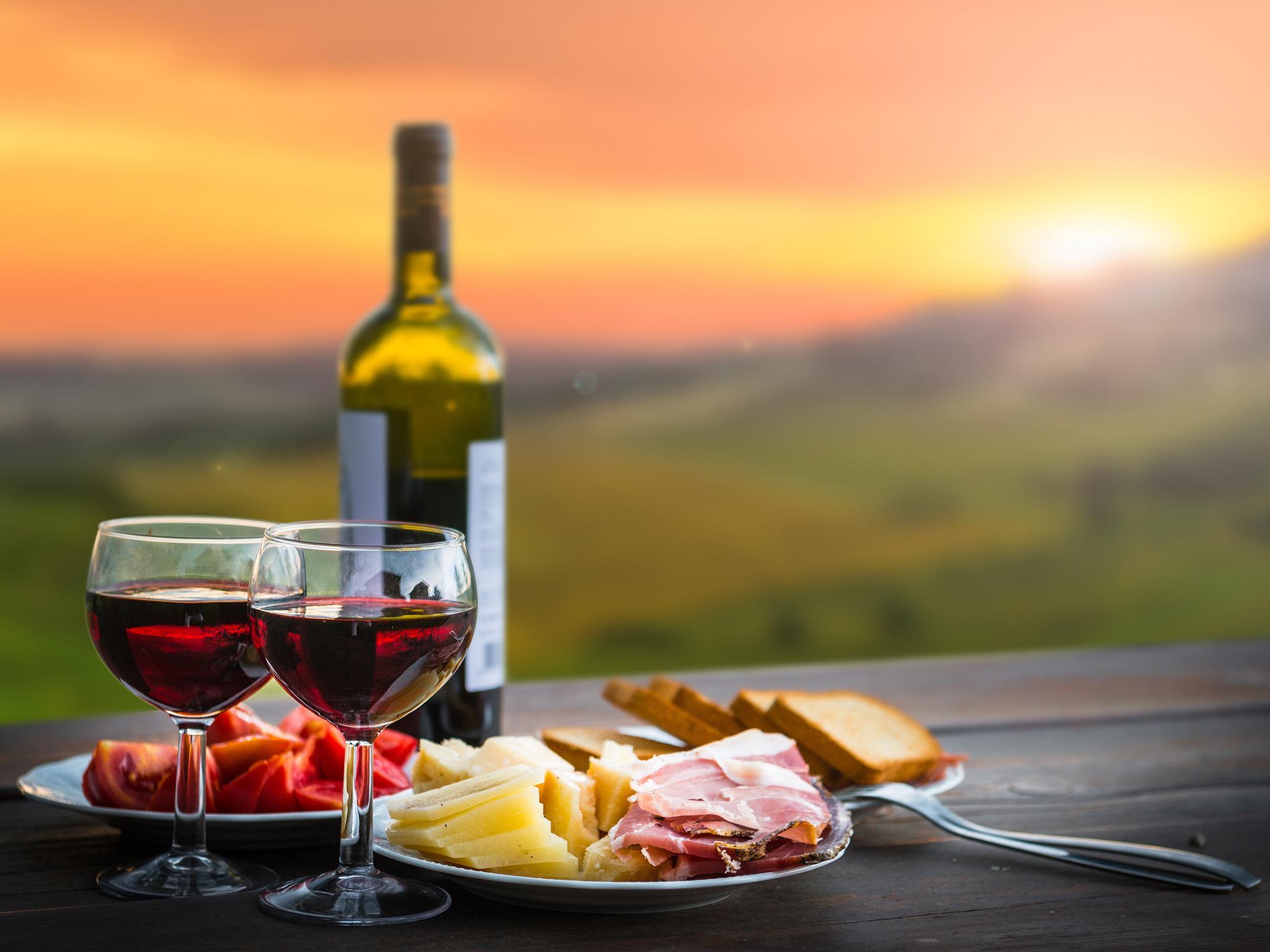
Castiglione in Teverina is a medieval town at the border between Lazio and Umbria and is part pf the production area of the famous white wine Orvieto DOC, from the name of the enchanting city of Orvieto.

Orvieto DOC is produces using Grechetto and Trebbiano Toscano grapes, locally called Procanico. Its color is straw yellow and has a unique smell of peach.

The wine has several dry versions and a particular botrytized (muffato) wine production.

The origin of Orvieto grape growing is lost in history, and the landscape is characterized by rows of vines.

The past is told by paintings of the Etruscan tombs of the fourth century BC.

The frescoes in the Golini tomb reproduce the preparatory stages of the Etruscan banquet with the slaughtering of meat, the placing of drinks and foods and among the fruit we find a bunch of grapes.


powered by social2s
San Lorenzo Nuovo. Aleatico Gradoli DOC Wine

Aleatico Gradoli DOC Wine is a dessert wine made with aleatico red grapes produced in the towns of Gradoli, Grotte di Castro e San Lorenzo Nuovo.

These grapes are among the 5 Italian variety of aromatic grapes and the taste of the wine is particularly intense and exclusive.

Aleatico Gradoli is in the version sweet red passito, and a sweet, fortified version as Gradoli Liquoroso. The Liquoroso Riserva is aged in barrel for two years from point of fortification and a further one year in bottle. 

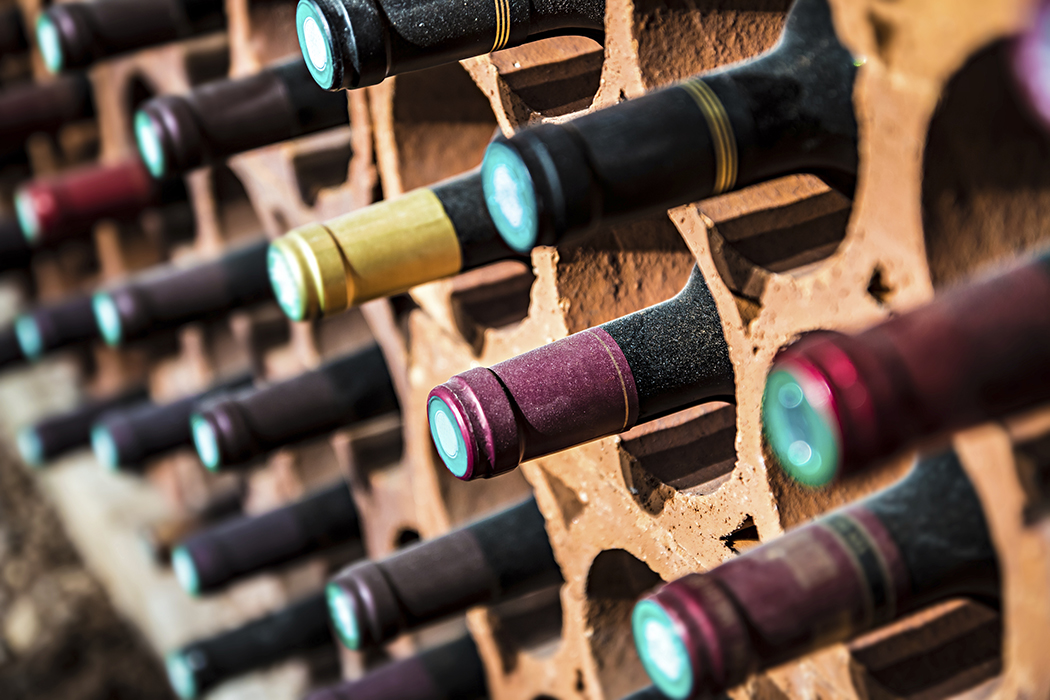
Viticulture in the Lake Bolsena area developed since the Etruscan period thanks to the microclimate of the lake. The cultivation of the vine had a major expansion with the Romans and continued uninterrupted so that in 1627 Tassoni in ‘De’pensieri diversi' mentions it among the tasty wines.

The Aleatico of Gradoli was presented in 1861 at the Esposizione Italiana Agraria, Industriale e Artistica of Florence. In 1929 the Cantina Oleificio Sociale di Gradoliwas founded and the wine has won the domestic and international markets.

Awards include in 1932 at the Fiera del Levante in Bari, in 1934 the Show dell'Agricolture in Florence, in 1937 International Exposition in Paris, in 1938 at the Tripoli International Fair, in 1971 Exhibition of wines in Malta, in 1971 in Siena, and in 2004 in Rome.

powered by social2s
Caprarola. Colli Cimini Wine IGT

The cultivation of grapes in northern Lazio began with the Etruscans and is first documented in a fourth-century BC tomb in the necropolis of Molesino. You see one Faliscan 'stamnos' with red figures representing Dionysus and Oinopion, i.e. a rounded vase with two handles, with which they brought the wine to serve to the guests at the table with a long bronze ladle.
Some writings of Pliny describe with greater detail the cultivation of grapes and production of wine that the Romans stimulated and developed.
After the Middle Ages, before the abbeys and then the Papal States, wine production resumed and further promoted.
The Cimini Hills have the distinction of being of medium height and having volcanic soil. Here are cultivated mainly vines from Lazio that produce typical and unmistakable wines. Already in 1883, in a survey on agriculture are listed the cultivation of white grapes Bello, Greco, Moscatello, Petino, Procanico, Romanesco and Rossetto and red grapes Aleatico, Cannaiola, Porcina and Prugnolo.

powered by social2s
Capodimonte. Pecorino Toscano PDO

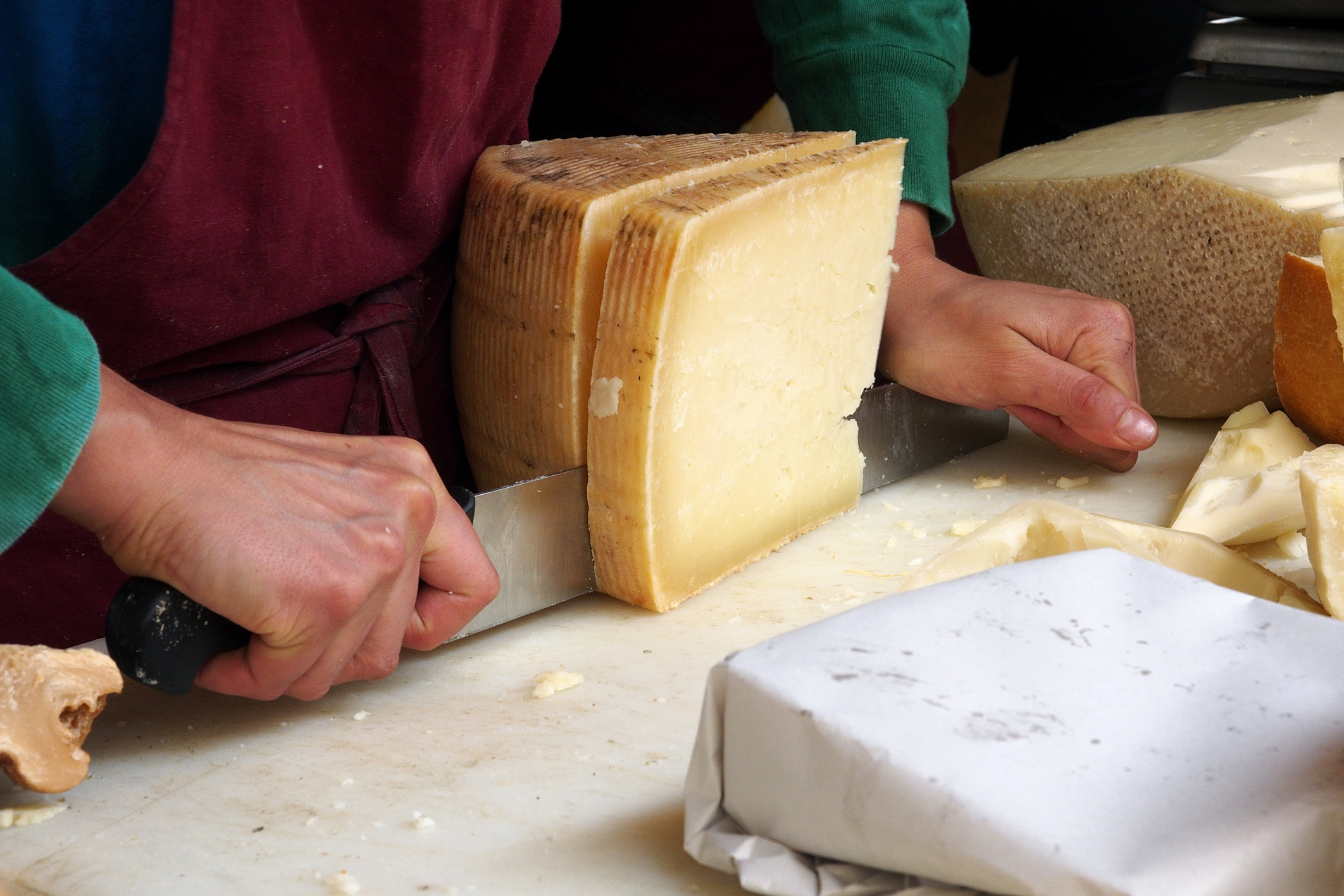
In Capodimonte on Lake Bolsena, Pecorino Toscano PDO is produced from the breeding of sheep that graze locally.

The production of sheep's cheese dates back to the Etruscan period and the first historical hints are in Pliny the Elder's Naturalis Historia where production in Tuscany is described.

In 1400 it was known under the name "cheese marzolino" because it is produced from March and throughout the spring. It was very welcome and appreciated by Lorenzo the Magnificent.

A mid-nineteenth century, Pecorino Toscano was already a product that was produced according to a production protocol.
 

powered by social2s
Est! Est!! Est!!! Montefiascone DOC

Montefiascone DOC is a white wine originating in Montefiascone and part of the province of Viterbo with excellent taste and ad interesting story about its name. 

The cultivation of vines in this area began with the Etruscans and was favored by the microclimate created by the waters of Lake Bolsena.

In 1959 in a village on stilts along the lake, between Montefiascone and Bolsena, fragments of vines and wild vines dating back to the Villanovan period were found.

The Statutes of the city of Montefiascone, of 1471 and 1584, contain numerous chapters on the wine production process and its commercialization.

The story of the name 'Est! East!! Est !!! is linked to the emperor Henry V of Germany and to the bishop Johannes Defuk who was a connoisseur of wines.

His cupbearer Martin had to go ahead and report with the writing 'Est!' the taverns where he found a good wine. Arrived in Montefiascone and tasted the local wine, marked on a door the inscription 'Est! East!! East!!!'.

The prince returned to the village and is buried here in the Basilica of San Flaviano in Montefiascone.

At his death he left to the citizens of Montefiascone an inheritance of 24,000 scudi, on the condition that each year they pour a barrel of wine on his sepulcher.

This tradition still continues every year with a historical parade in period costume.

The first Montefiascone Wine Festival dates back to 1950.

powered by social2s

Subscribe to Newsletter

Discover a territory through the emotions of the people that have lived it.