
Monte Romano. Snails
- Benedicta Lee
- Category: Typical Dishes
- LAZIO • VITERBO • Monte Romano
Among the local specialties of Monte Romano, are snails seasoned with tomato, garlic and chilli.


Among the local specialties of Monte Romano, are snails seasoned with tomato, garlic and chilli.
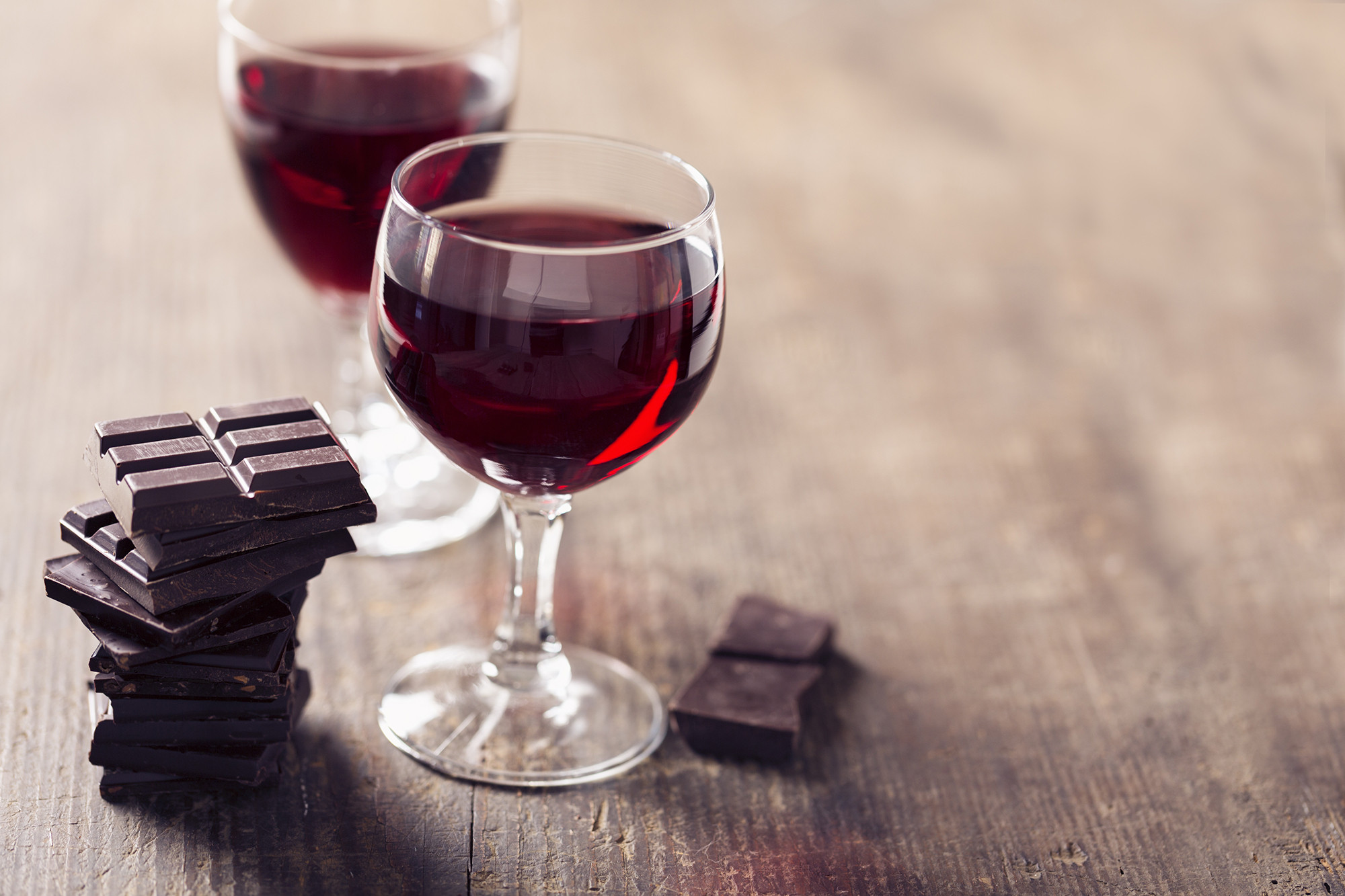
Marta is an enchanting medieval town along the coast of Bolsena Lake where few of the Italian aromatic grapes grow.
The Cannaiola is a dessert wine of about 11 degrees obtained by the vinification of black cannaiolo grape, much like Aleatico which is the typical grape of the Lake Bolsena area.
The colour is red and the taste is sweet and full-bodied with an intense fruity aroma.
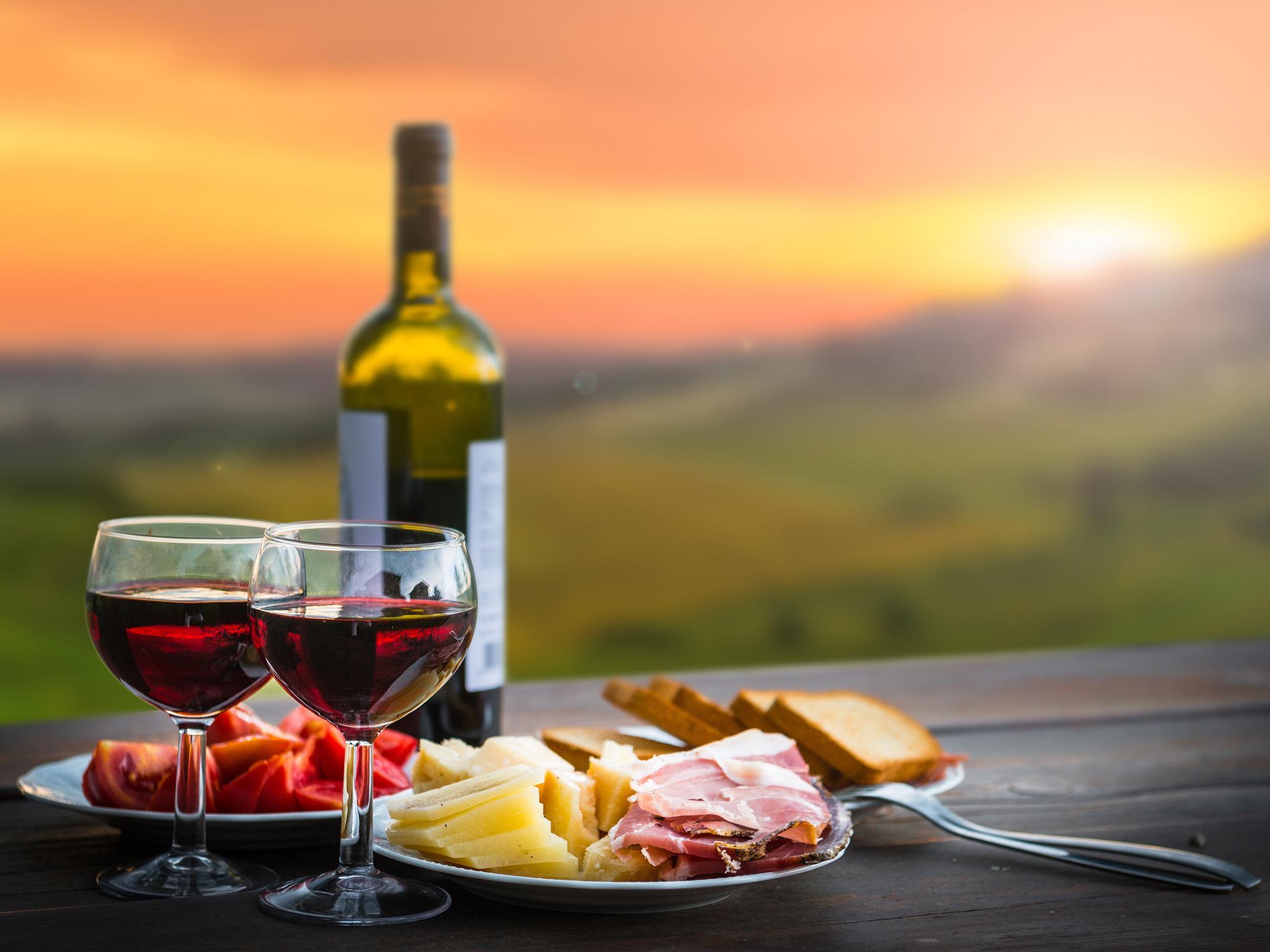
Grotte di Castro is part of the Aleatico Gradoli DOC Wine production area. This is a dessert red wine from Aleatico grapes cultivated in an area next to the Lake of Bolsena.
Aleatico grapes are among the 5 Italian aromatic grapes and wine has an intense and complex smell perfect to accompany desserts or cheese.
Viticulture in the Lake Bolsena area developed since the Etruscan period thanks to the microclimate of the lake.
The cultivation of the vine had a major expansion with the Romans and continued uninterrupted so that in 1627 Tassoni in De pensieri diversi' mentions it among the tasty wines.
The Aleatico of Gradoli was presented in 1861 at the Esposizione Italiana Agraria, Industriale e Artistica of Florence. In 1929 the Cantina Oleificio Sociale di Gradoli was foundedoil and the wine won over domestic and international markets.
In 1932 it won the Fiera del Levante in Bari, in 1934 the Show dell'Agricolture in Florence, the 1937 International Exposition in Paris, in 1938 at the Tripoli International Fair, in 1971 Wine Exhibition in Malta, in 1971 Siena and in 2004 in Rome.
Graffignano is a town at the border between Lazio and Umbria and it is in the production area in one of the best Italian white wine.
The Orvieto DOC white wine can be dry, sweet, semi-sweet, late harvest and ‘noble rot’. Orvieto DOC comes from Grechetto and Trebbiano grapes cultivated in an area around the magnificent medieval town of Orvieto.
The origin of Orvieto grape growing is lost in history, and the landscape is characterized by rows of vines.
The past is told by paintings on the Etruscan tombs of the territory of the fourth century BC.
The frescoes in the Golini tomb reproduce the preparatory stages of the Etruscan banquet with the slaughtering of meat, the placing of drinks and foods and among the fruit we find a bunch of grapes.

The potato arrived from the ‘new world’, and the potato found in Upper Viterbese grows in volcanic soils rich in natural nutrients that have given it a special taste and a renowned quality.
Aleatico Gradoli DOC Wine is a dessert wine made with aleatico red grapes. These are among the 5 Italian variety of aromatic grapes and the taste of the wine is particularly intense and exclusive.
Aleatico Gradoli is in the version sweet red passito, and a sweet, fortified version as Gradoli Liquoroso. The Liquoroso Riserva is aged in barrel for two years from point of fortification and a further one year in bottle.
Viticulture in the Lake Bolsena area developed since the Etruscan period thanks to the microclimate of the lake.
The cultivation of the vine had a major expansion with the Romans and continued uninterrupted so that in 1627 Tassoni in De pensieri diversi' mentions it among the tasty wines.
The Aleatico of Gradoli was presented in 1861 at the Esposizione Italiana Agraria, Industriale e Artistica of Florence.
In 1929 the Cantina Oleificio Sociale di Gradoli was foundedoil and the wine won over domestic and international markets.
In 1932 it won the Fiera del Levante in Bari, in 1934 the Show dell'Agricolture in Florence, the 1937 International Exposition in Paris, in 1938 at the Tripoli International Fair, in 1971 Wine Exhibition in Malta, in 1971 Siena and in 2004 in Rome.
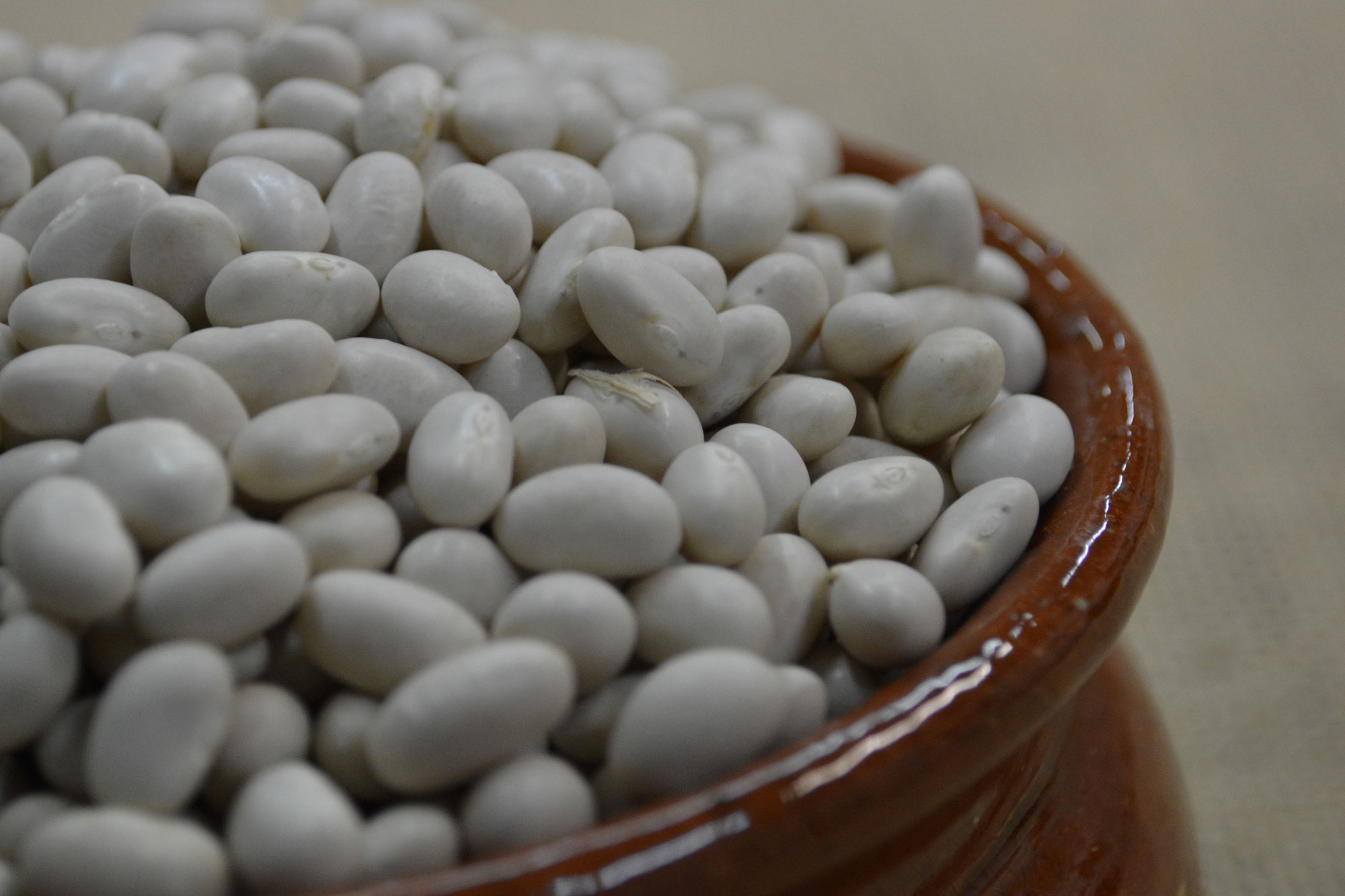
Gradoli is an enchanting medieval town near the Lake of Bolsena in Tuscia region and it well known for the production of the tasty Purgatory Bean.
It is well known that the Etruscans grew beans and used them shredded for making "condiments" to be attached to meat.
The bean is loved by medieval peasants for the ability to replenish the soil and for people for their high nutritional value.
In the fourteenth century, the Statutes of Gradoli devoted a special section to "de pena colligentium cicera et alia legumin".
Since 1600 beans have been the main dish of the "Lunch of Purgatory" on Ash Wednesday.
In 1700s the beans are considered a type of' currency and appear among the donations of the faithful and as a reward for the celebrants of Masses.
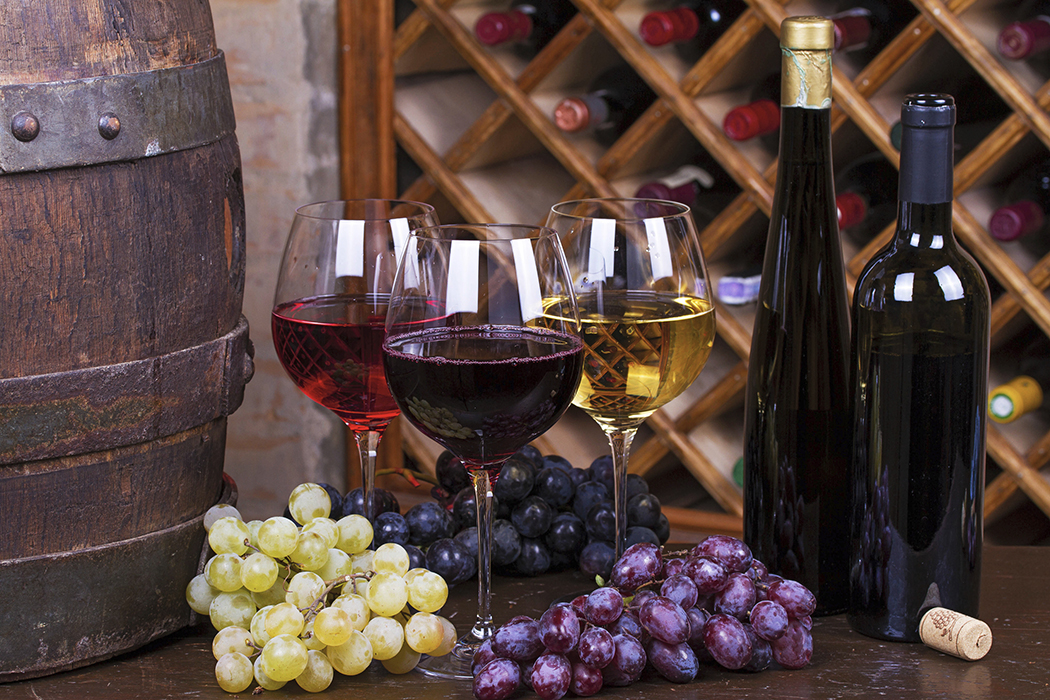
The wine Civitella d'Agliano IGT comes from an area where the cultivation of vines began many centuries ago and has always maintained a high standard.
The micro-climate favours the production of a particular wine that is much appreciated.
Page 47 of 71




Follow us