Castelforte. Single Variety Itrana Olive Oil

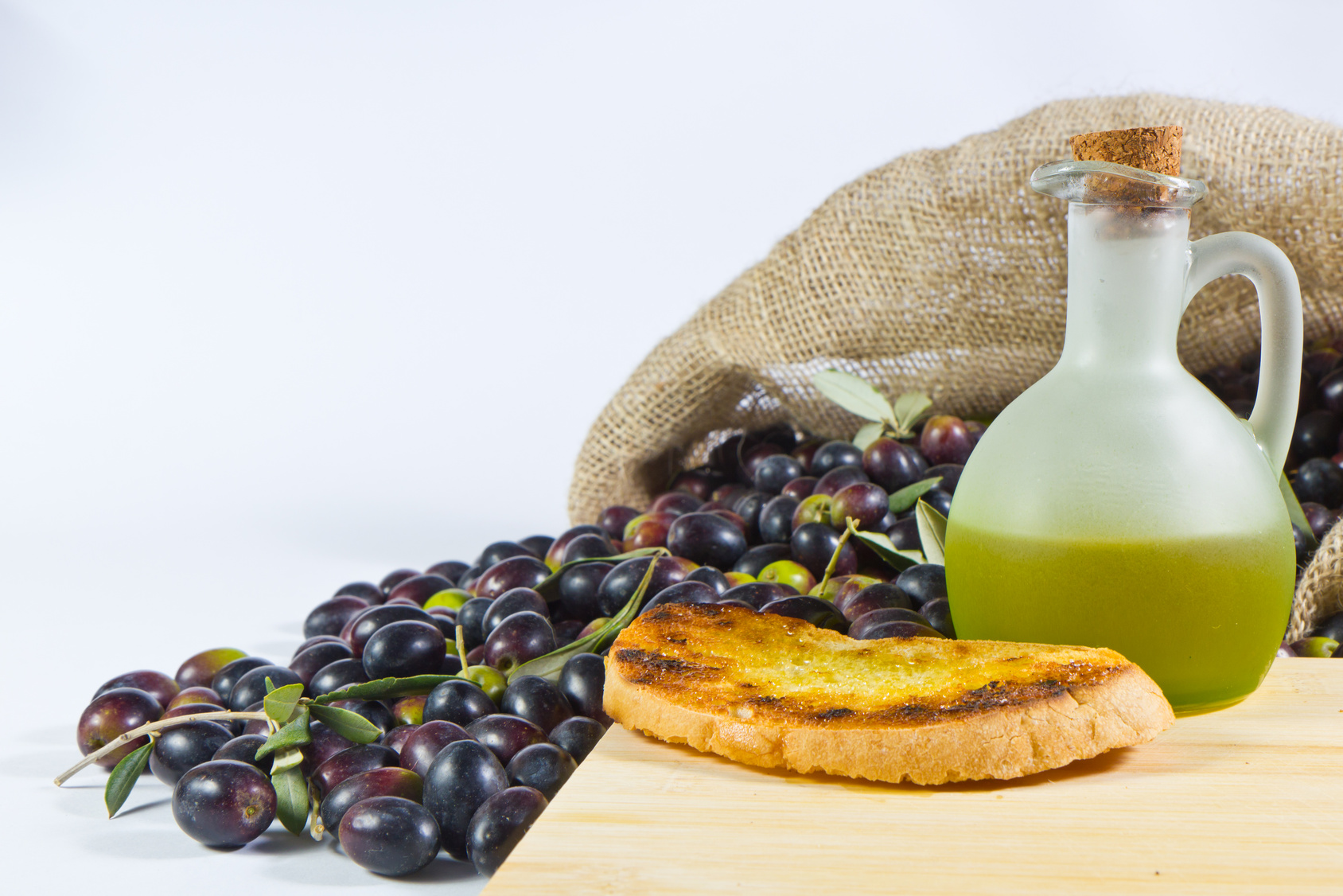
Castelforte is in the area of ​​the province of Latina is famous for Itrana variety of olives.

The landscape is characterised by cultivation of olive trees and in someplace this cultivation is called heroic due to the slope of the land.

Itrana yield an oil with an intense and fragrant taste: the extra virgin olive oil of Itrana.

Colline Pontine DOP Oil is produced in the province of Latina using 50 % of Itrana olives.
 

powered by social2s
Castelforte. Blonde Orange of Fondi

The Blonde Orange of Fondi has been appreciated since the eighteenth century, when the Fondi name becomes synonymous with orange.

Orangesa are cultivated in the valley between Fondi and Castelforte.

The orange trees are part of the landscape and were mentioned by the travellers on the Grand Tour in Italy in the 1800s.

There are plants more than a century old.

powered by social2s
Castelforte. Cafone Bread

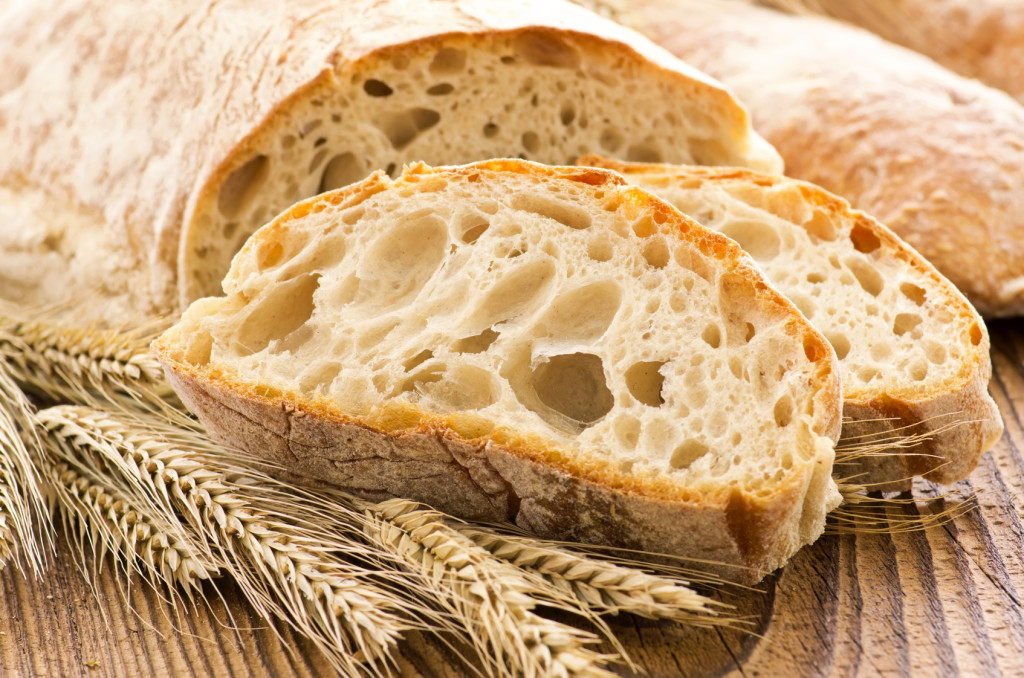
Cafone Bread of Castelforte is a homemade bread, handmade, baked in a chestnut wood oven and prepared with natural yeast.

This bread is called 'ignorant' (cafone) because it was the bread of the common people, made with basic ingredients and without any decoration.

it is crosses or cuts on the surface remembering the cross of Jesus.
 

powered by social2s
Campodimele. Laina Pasta and Cicerchie (Grass Pea)

Campodimele is famous for its local products, like their grass pea cultivation which has very ancient origins.

Grass Peas come from the Middle East, and have been for many years one of the elements at the base of the diet of local people. This area that has rocky soil which is difficult to cultivate but it is perfect for tasty legumes.

Cicerchia of Capodimele is recognized as a PDO (Original Product).

The main dishes are the 'Grass Pea Soup', to be spread on bread with a dash of fresh olive oil over the top, and 'Laina and Grass Peas'.

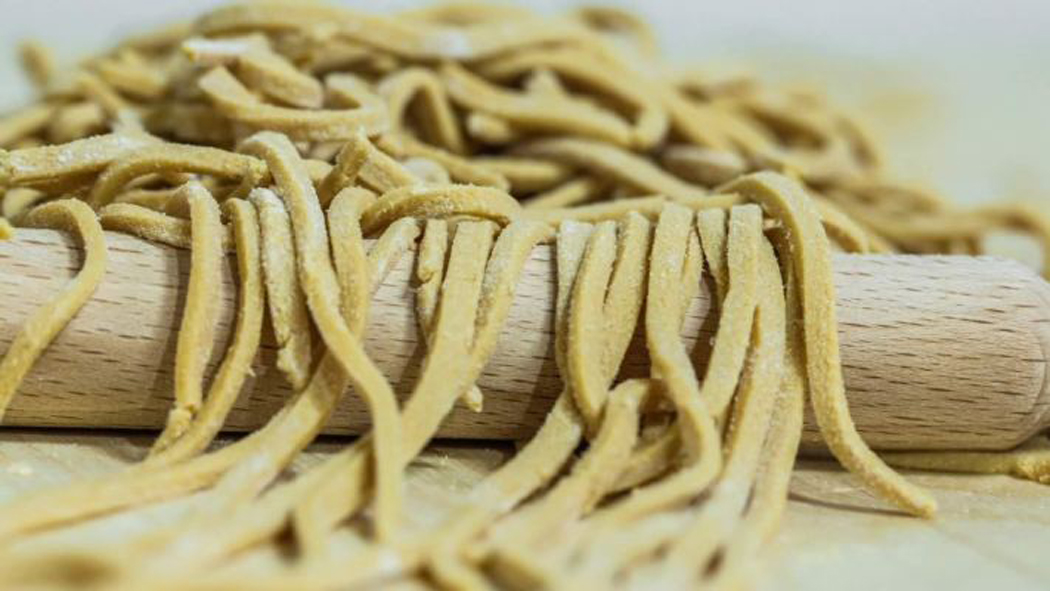
The laina is a handmade paste of flour and water only, and is served with the sauce of grass peas cooked with tomato, onion and garlic.

On top of the pasta dried goat cheese is spread.

powered by social2s
Bassiano. Mazzalaccardi Pasta

Mazzalaccardi of Bassiano are a type of pasta typical of the town on Lepini Mountains.

Mazzalacardi Pasta is prepared with water and flour and it is similar to spaghetti but shorter and larger,. It is strictly hand-made.

Pasta is seasoned with forest mushrooms, amatriciana or various meat sauces

powered by social2s
Aprilia. Aprilia DOC Wine

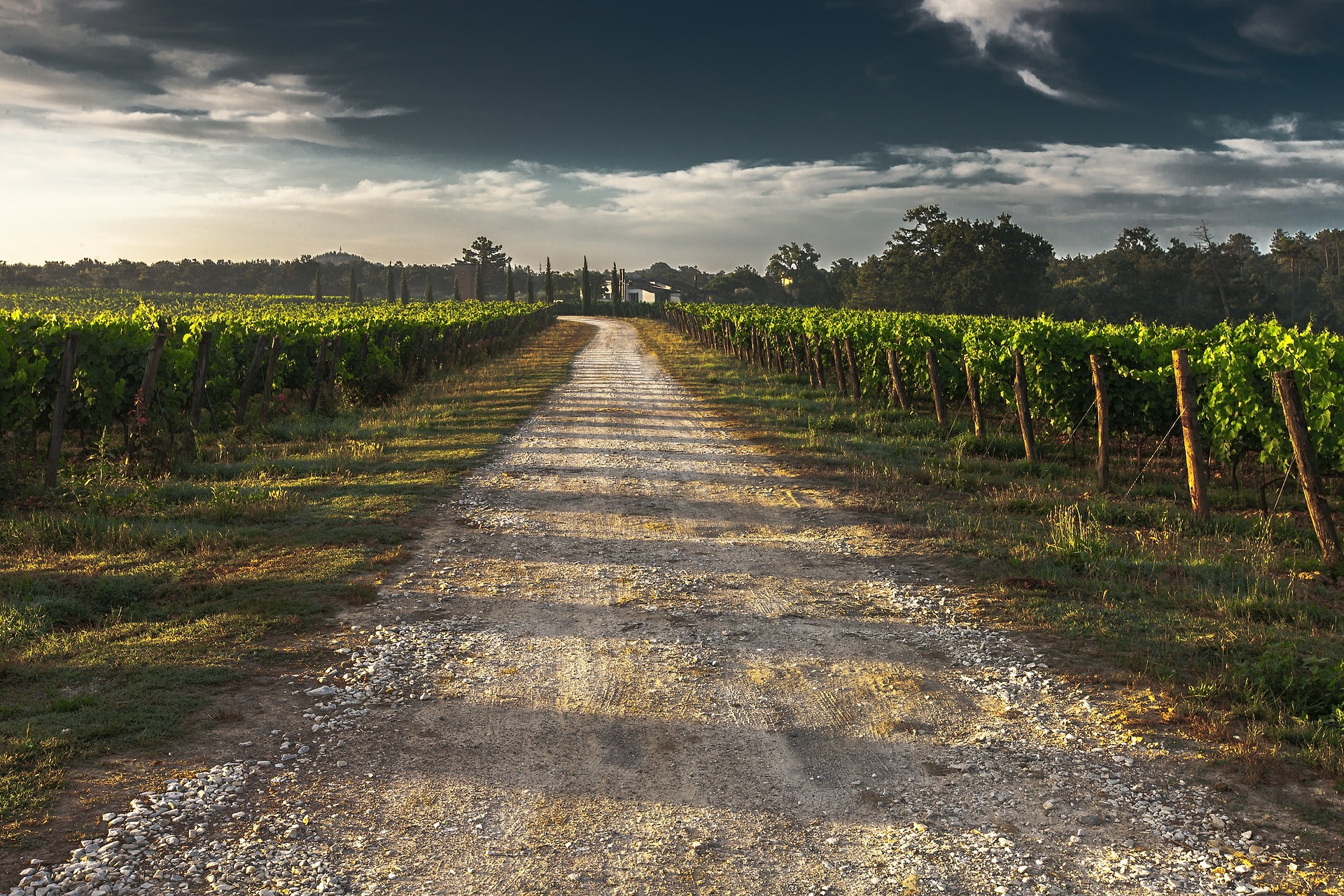
The Aprilia DOC includes red and white wines made with Merlot, Sangiovese, Trebbiano and Abbuoto grapes. Abbuoto is a local variety dates back to roman time. 

In Aprilia and in Pontina Flatland, the presence of viticulture dates back to pre-Roman period while already at the time Pliny.

The careless deforestation had caused the arrival of swamps and marshy areas with the consequent emergence of malaria.

In the period of remediation, since 1932, arrived here about 60 thousand farmers from Veneto, Friuli and Emilia who were to populate the reclaimed sour soil.

They who have restarted the viticulture with the typical varieties of their native lands such as Sangiovese and Merlot.


powered by social2s
Chestnut of Vallerano DOP

In the area of ​​Vallerano there are about 635 hectares of chestnut and the first documents that speak of the cultivation of chestnuts date back to 1500.

In the past, they used the tufa caves for storage of chestnuts and numerous "Radicci" (small buildings for drying chestnuts) scattered in the woods and this suggests that the cultivation of this product began a long time ago.

The Chestnut of Vallerano (Castagna di Vallerano) DOP has various sizes with a white pulp, crisp, sweet taste and is very resistant to cooking.

powered by social2s
Tuscania. Tarquinia Wine DOC

Tuscania is part of the Tarquinia DOC Wine area where is produced excellent white wine, the dry and sparkling version, and red wine.

The grapes for the white wine are Trebbiano toscano (Procanico), Trebbiano Giallo, Malvasia di Candia and Malvasia del Lazio. For the red wine Sangiovese, Montepulciano and Cesanese grapes are used.

The cultivation of grapes in northern Lazio began with the Etruscans and is first documented in a fourth-century BC tomb in the necropolis of Molesino.

You see one Faliscan 'stamnos' with red figures representing Dionysus and Oinopion, i.e. a rounded vase with two handles, with which they brought the wine to serve to the guests at the table with a long bronze ladle.

Some writings of Pliny describe with greater detail the cultivation of grapes and production of wine that the Romans stimulated and developed.

At Gravisca (ancient port of Tarquinia) and Statonia (in the territory of Vulci) in 540-530 BC wine production was sufficient for local consumption and it was sold in other countries as proven by the discovery of the wreck of an Etruscan ship dated sixth-century BC in the sea in front of Marseille.

The Roman writer Martial describes the Cerveteri wine, 'Caeretanus' as good and with a flavour that resembled old Setino and of good quality. Columella instead celebrates the ancient Cere for its exquisite wine.

After the Middle Ages, before the abbeys and then the Papal States resumed, the production of wine was further promoted.

The Statutes of the city of Civitavecchia 1451 contained 20 chapters that regulated the production and trade of wine. They described the harvest period, the penalties for damagers of vineyards and the measures that the Tavernari (tavern owners) had to use for selling.

In 1761, the Marquis Frangiapani in the book 'Story of the ancient city of Civitavecchia' describes some local vineyards.

powered by social2s

Subscribe to Newsletter

Discover a territory through the emotions of the people that have lived it.