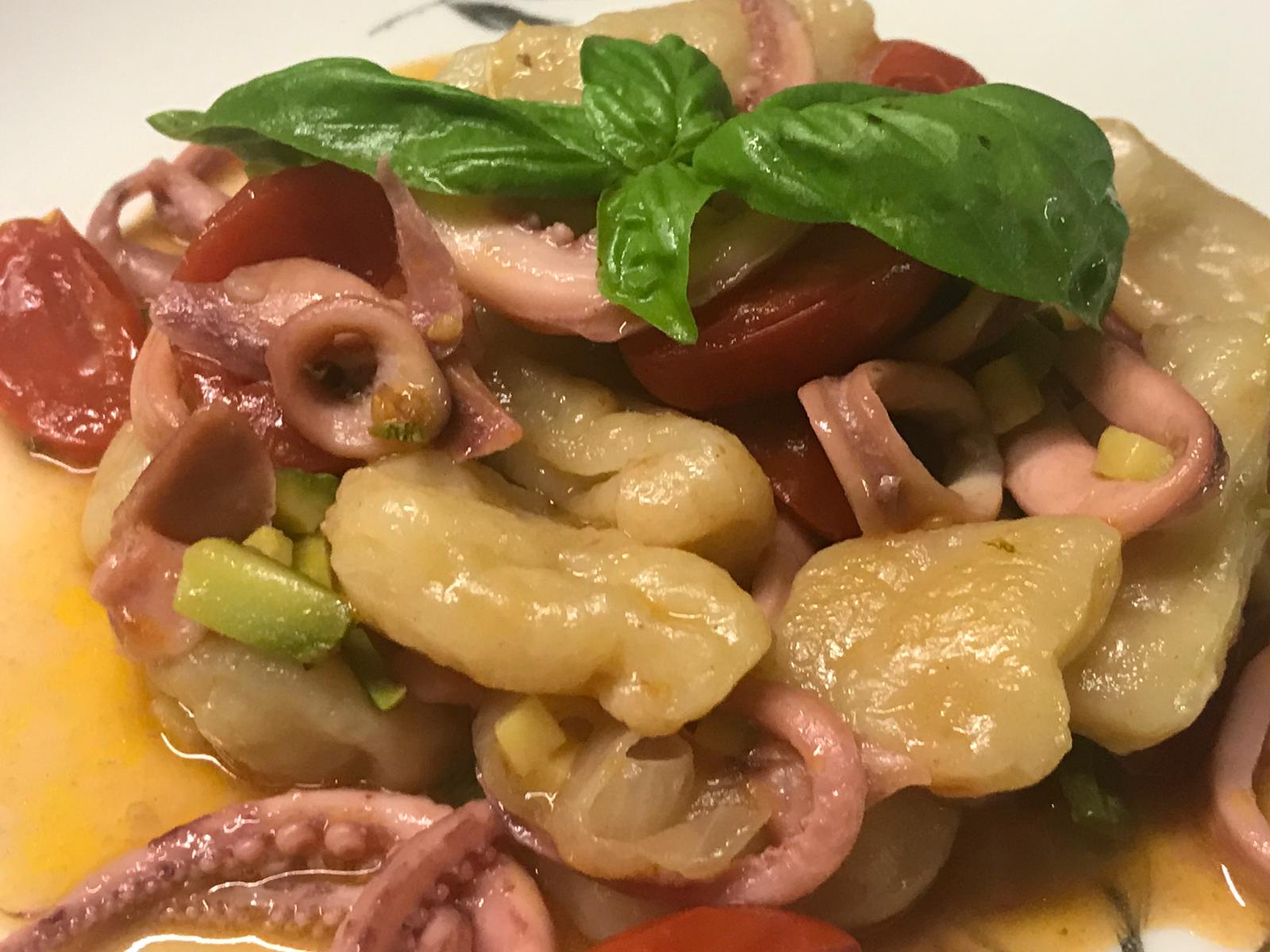
Gnocchi with Squid from Anzio, perfect with new potatoes

Full summer: it's time for new potatoes and I didn't forget.

Good cooked in every way the potato is potato. I make dumplings- gnocchi like those that Grandma Rosa used to make but with a small variation, I crush them.

The choice for this dish is all local stuff: new potatoes and flour from the Pontine Plain, the one reclaimed by Mussolini and cultivated by Veneti, Emiliani, etc. Even my roots are a mixture of north and south and I know the value born of this Italian migration.

It must be said that the Lazio natives from the mountains (Sezze and Cori) snubbed those lands that were being assigned. Perhaps because they remembered malaria, the real scourge of those lands, fought by the leader with the first biological intervention in the history and memory of this country.

Eucalyptus trees were planted, brought from Australia, which were a real natural dewaterer and Gambusia, a small fish that ate mosquitoes, was introduced into the canals. The land was offered to the people from Veneto who came from a harsh period of depression after the First World War that was fought in their lands.

Only after seeing the results obtained, did the mountaineers of Lazio try to get the lands, and partly the hatred between the two communities is still latent. The post-war liberators brought DDT and destroyed this new ecosystem.

The squid, needless to say, is from the Mediterranean and in particular from Anzio. Anzio is a small seafaring town  but one of great excellence. How many days I spent waiting for the fishing boats that came back to the port in the evening and put their catch up for sale.

An unforgettable experience that I recommend not only to lovers of fresh fish but also to those who want to experience genuine sensations. The fishermen will be happy to answer all your questions, even when they are tired I never found a grumpy one.

Anzio is waiting to be discovered: rich in history, a summer residence of the Roman patricians since the first hour of the empire. Then it was chosen by Pope Innocent XII who had landed here saving himself from a storm as he was going to the Conclave where he was to be elected.

Then it was also chosen by the allies for the famous landing ... but this is another story and has little to do with tourism and the beauty of the place. The bombing has in fact helped to change its structure a little.

The anchovies from Anzio are famous, and here a small producer still stands, a product for true gourmets. I would feel like not talking about it because the production is small and not many can have the opportunity to taste these delights.

Gnocchi recipe with Squid

Do I really have to explain how dumplings (gnocchi) are made? Boiled and mashed new potatoes, flour and a careful movement of wrists until the dough reaches its consistency. Then make small cylinders and cut to the size you want.

For the base, put the chopped zucchini and cherry tomatoes in a pan and sauté over a high heat. Then add the squid cut into small pieces and let it go for 2/3 minutes. It must be cooked very little, otherwise it becomes a ‘shoe sole’.

When stacking, be careful to put some fresh basil leaves in-between. It looks like a garnish but actually adds another of the typical aromas of summer. Don't forget it.

To stay on the theme of the perfume of the south coast of Lazio, I chose a Pontine Marshes wine: a bold Bellone (it means that it was not grafted with other grapes)
powered by social2s
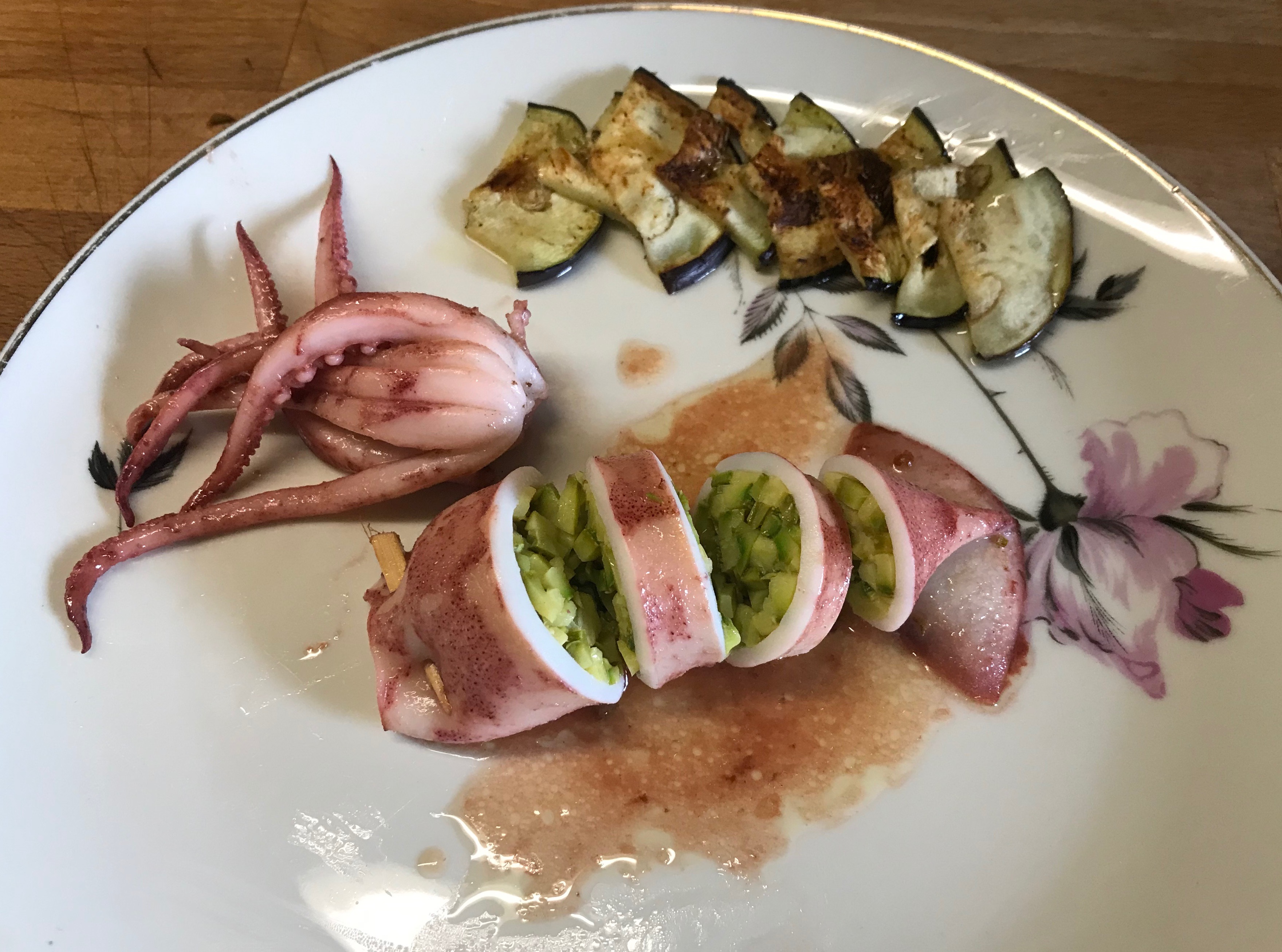
Squid of Tyrrhenian Sea from Anzio, stuffed with zucchini

Finally summer!

After a winter that seemed to never end, now the heat arrives and brings with it the desire for sea and ... of course for Mediterranean cuisine. The dishes based on fish are the masters but not for this do you have to wait.

At the Mercato del Trionfale (Trionfale market) I found one of the tastiest local delicacies: the Totani del Tirreno (Squid from the Tyrrhenian Sea), those from Anzio.

They are the best deal on the counter: almost alive and a low price. I can't let them get away and I take them, so now I have to invent a dish.

Anzio for me is a guarantee of freshness. A village lying on the coast south of Rome, a town from ancient history that is said to have been founded by the son of Ulysses and the sorceress Circe. Here were born the emperors Caracalla and Nero, who had built a sumptuous villa here.

The port of Anzio has one of the most active fishing fleets in Italy and is a guarantee of freshness for the consumer. The arrival of the boats in the harbour and the marketing of their catch is an experience not to be missed that, in this case, was experienced on my behalf by the manager of the fish market of the Trionfale Market.

Having bought the Tyrrhenian squid I start thinking about the preparation: a Ponzana soup? the one with lentils? It's too hot. I do this when the leaves fall and other autumnal flavours are sought.

Now we are at the beginning of summer and with the heat the gardens burst with health, a fresh vegetable to match I will surely find. After all, I'm at the Trionfale market and I have the best from our countryside available!

I am won over by some zucchini lying in a wooden box and here is the idea: Squid stuffed with Zucchini.

The recipe for stuffed zucchini

Start with vegetables and cut the zucchini into strips that are not too thin. Then I pass them over the flame in a pan with oil and I add a little lemon, the scent of summer and sun. Here the filling is ready!

At this point I clean the squid and fill it with this fresh and fragrant filling. I make small bundles which I close with a toothpick and heat them in a pan for 2/3 minutes, blending them with white wine.

A quick and easy recipe in which the real secret is in the quality of its ingredients. I would not recommend the Trionfale Market to everyone - but then I do.

In case you are not from Rome, look for the local market closest to your place of residence and start to become friends with the managers of the various sections, involving them in the creation of your recipes. You will be surprised by the originality of their proposals and their availability.

Then, to increase the taste but also the aesthetics of the plate of Squid stuffed with Zucchini, I put in the pan to roast some eggplant which I will then use for the final garnish. A garnish that is particularly tasty with seasonal eggplant  that grow in sunny fields.

A great appetizer to enjoy on summer evenings accompanied by a fresh white wine from the Castelli Romani.

In this recipe we have gathered in one bite all the flavours of the summer, of the Mediterranean sea, of the mountain and of the countryside. A pleasure not to be missed and one to share with friends!

powered by social2s
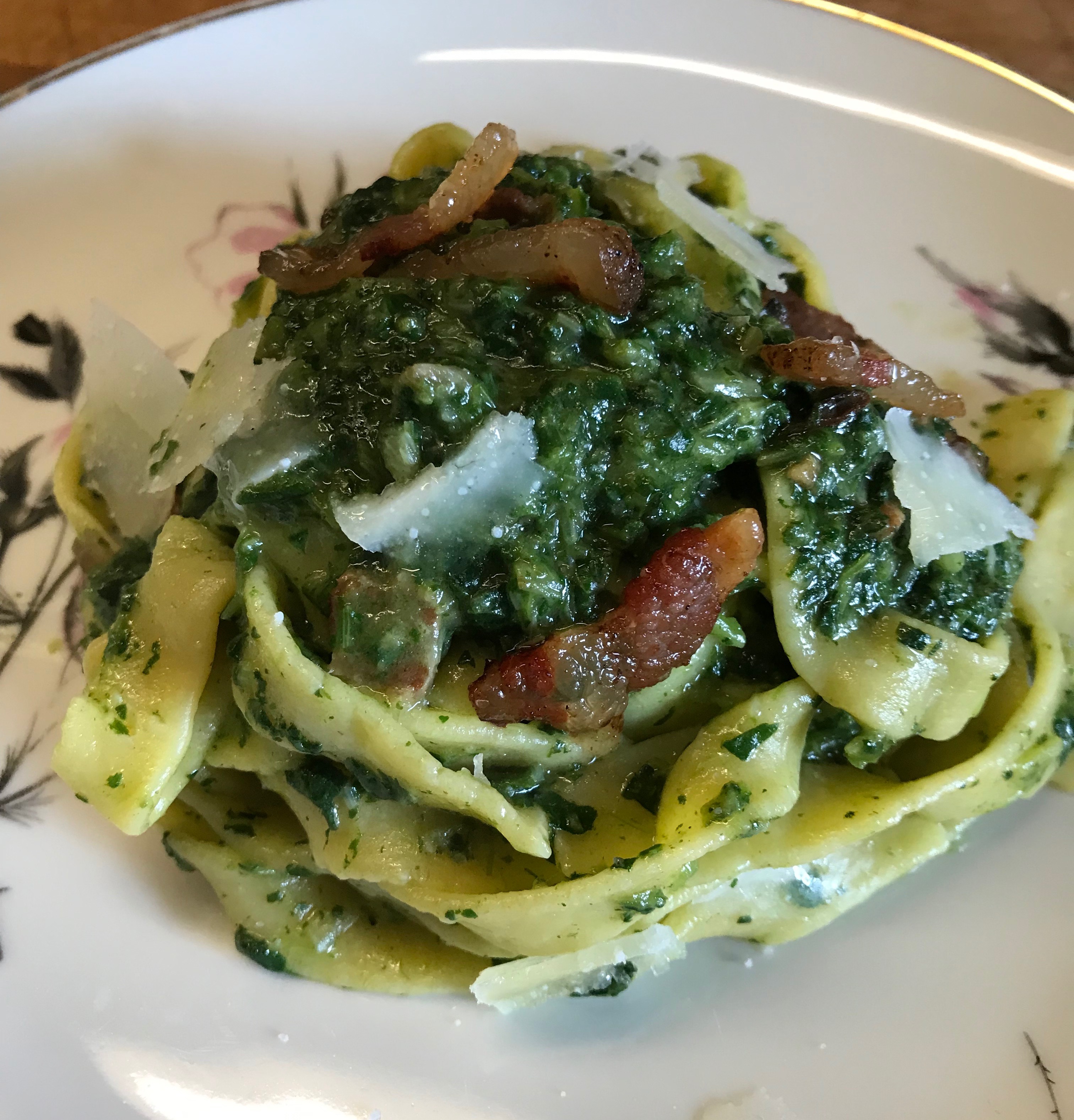
In May? Asparagus tagliolini with asparagus cream

In May the king of the market is his majesty the asparagus!

A noble vegetable known since the Egyptians, the Romans cultivated it on the beaches of Ravenna for its therapeutic and aphrodisiac abilities. The Roman emperors had built ships in order to go to get asparagus in May and for this they named the ship Asparagus.

It knows its splendour thanks to Napoleon, it was inevitable in his intimate dinners for its aphrodisiac properties.

While in America the Indians used it as a medicinal plant and today it is still used for its therapeutic properties against gout, kidney stones and rheumatism. In short: it is a diuretic and purifies.

The wild asparagus are the best, small and tapered that grow out of the ground like spears that want to pierce the sun, so in  English these are known as asparagus spears.

I remember the mornings in search of precious asparagus gems in the scrubland of Roscigli, the ancient abbey under Gavignano and at the gates of Montelanico. It is said that once it was the villa of Caesar and that afterwards the Basilian Monks of Grottaferrata took charge and they turned it into a monastery.

But let's go back to the asparagus: even those grown are no less wonderful, the whites of Bassano del Grappa are fascinating. Do you know why they are so white that they look albino? They grow under the ground and do not see the sunlight so they do not activate chlorophyll photosynthesis. The violet spear is a white asparagus that has put its head out, while the green one has grown totally in the sunlight.

White, purple or green asparagus is good in every way. Today I make a very simple and quick egg noodle just to eat immediately. A little warning: unlike many vegetables, the larger ones are more tender.

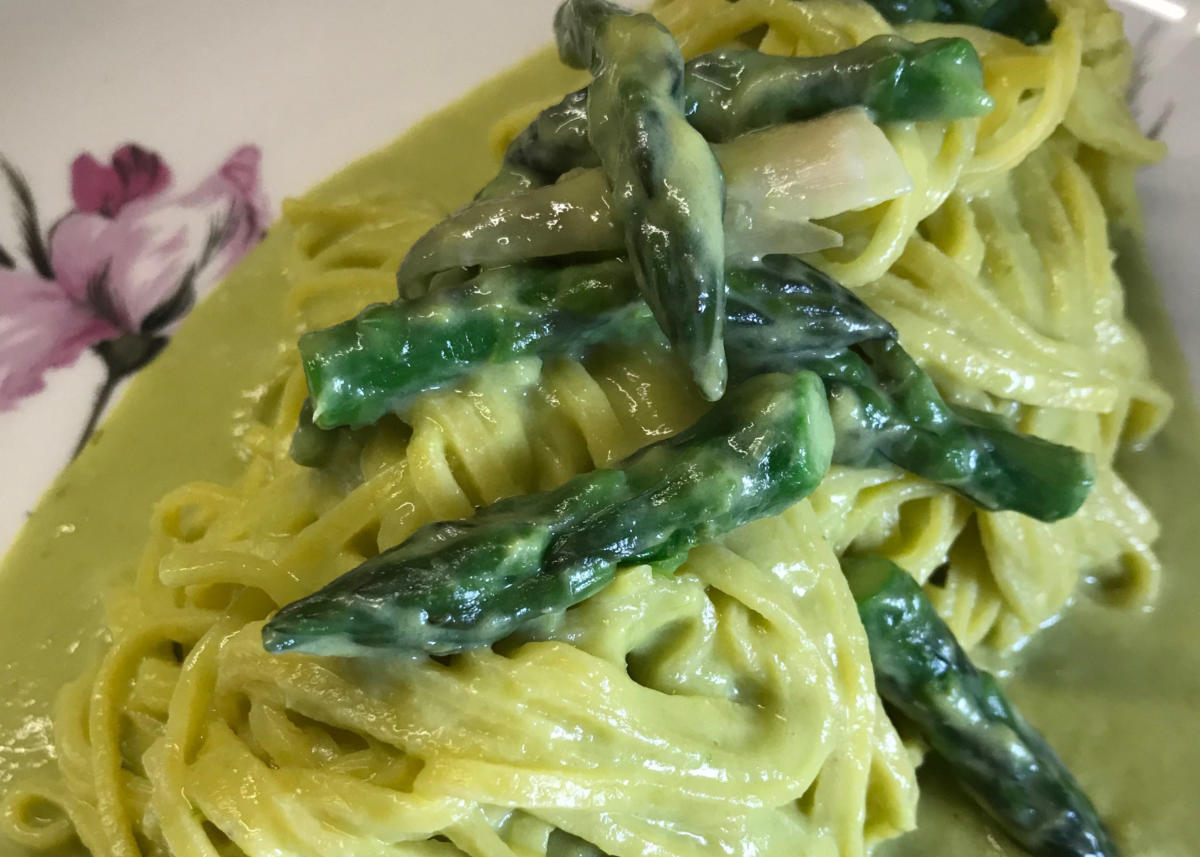
Recipe of Asparagus Tagliolini with asparagus cream

If you don't have the patience to go to the woods, then go to the market to look for the best ones. In this period, people can also be found along the country roads selling their precious and tasty harvest.

First we remove the best spear tips and put them aside so as to be able to create the final set design for the dish and give pleasure to the eyes as well as the taste buds.

We steam the  stems and put them in the mixer together with a bit of Parmesan, oil and a grated lemon. Adjust with salt to suit yourself. Then whip the cream with a little cooking water from the pasta when it has already taken the aroma of egg noodles.

I do not give you advice on pasta. If it is Sunday and you have time you can prepare it and spread it out in just over an hour, otherwise buy a good homemade pasta. Watch out for the type of flour with which it is made!

Halfway through the cooking of the tagliolini, we add the best spears, previously separated, to the water for a blanched finish.

Then quickly drain the pasta and asparagus tips and add the cream. If you leave a little cream at the bottom of the plate the game is done and the setting is complete.

And for wine? I must confess that I chose a good Pinot Bianco from Friuli!

powered by social2s
Dario Magno - Picchiap

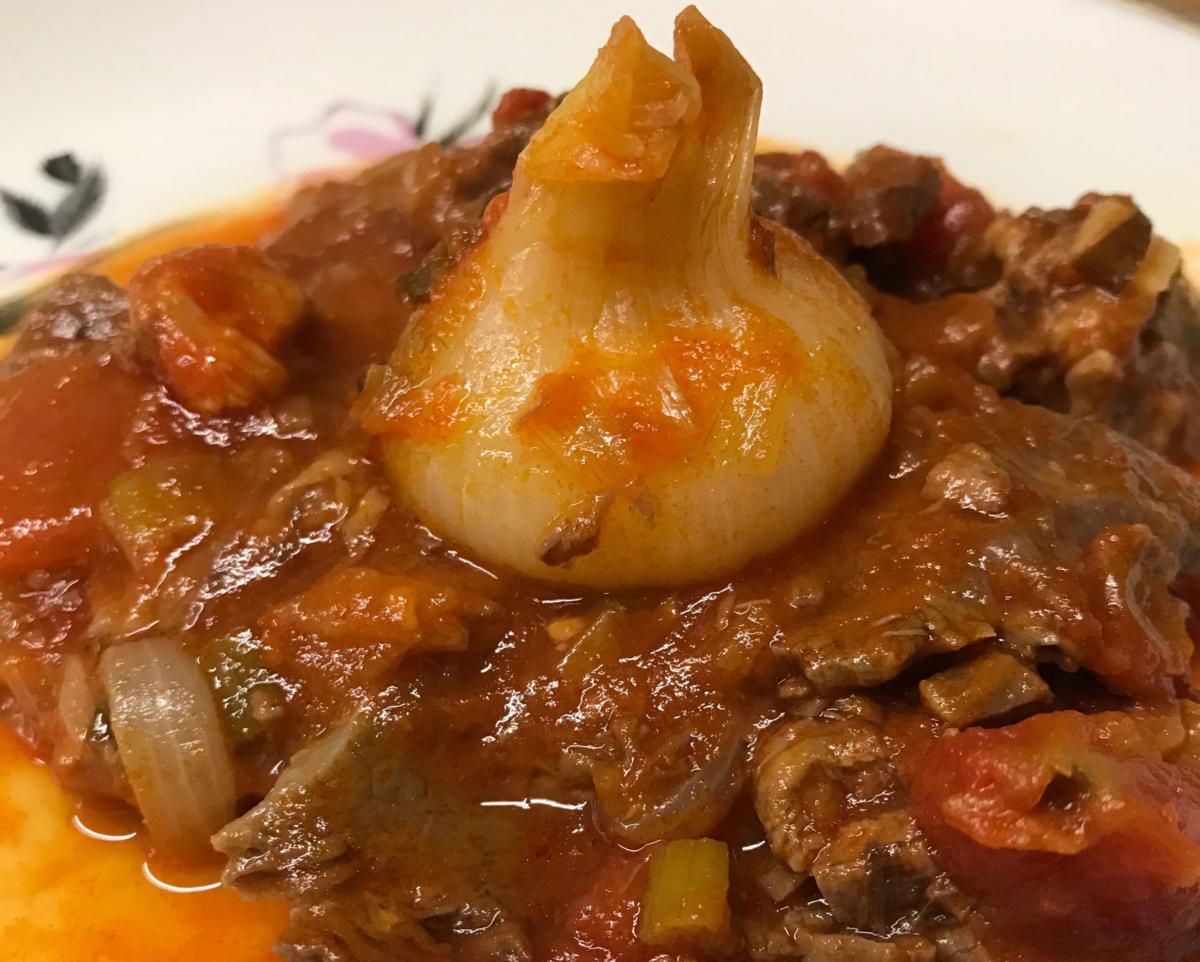
A very special name for one of the traditional recipes of Roman cuisine, one that does not throw anything away and that reuses everything possible: Stewed Picchiapò (in italian "Lesso alla Picchiapò").

And please don't call it boiled because there is a big difference: in stewed dishes meat is cooked to make the broth as tasty as possible, meanwhile in boiled dishes meat is cooked to be more flavorful. It's all a matter of water temperatures and cooking times: in boiled dishes meat is put to cook when the water is already boiling and immediately creates a protective layer that keeps the flavor inside.

But let's go back to the Stewed Picchiapò because it's a name you can't forget and on which there are several theories, all very interesting.

The first is that which links it directly to the great dialectal poets, first Belli and then Trilussa, who had their own character called Picchiabbò. For Trilussa he was a court dwarf, someone who had been permitted to speak the truth.

But the "Lesso alla Picchiapò" is so interconnected to the traditional Roman cuisine that it gives the title to a part of the soundtrack written by Armando Trovajoli for the film "C'eravamo tanto amati" by Ettore Scola from 1974.

According to other versions, the name would be directly connected to the butchers of Testaccio, one of the most popular districts of Rome near which Trilussa lived.

This recipe was born among the butchers to reuse everything that was possible. In the Roman kitchen it was known as the use of all the parts of the entrails of the animals that were discarded by nobles.

The name Picchiapò derives from the particular preparation of this stewed meat in which it is necessary to take the meat and 'beat' it to be able to fray it and to prepare for the second part of the recipe: the creative reuse of the meat in a meat-based dish with onion and tomatoes.

The truth is that nobody knows why this dish is called so, a simple and very good dish at the same time in which everything starts from a single ingredient with which you can prepare an entire real lunch.

It starts from a piece of muscle and produces a first and a second dish: a savory broth to be served with quadrucci, a homemade pasta, and a second one based on sauted meat. Because nothing is thrown away and everything is recovered and improved. A sort of circular kitchen economy!

Recipe of the Stewed Picchiapò ("Lesso alla Picchiapò")

The preparation begins with a broth made with the beef muscle in which the meat is placed in the pot when the water is already boiling with celery, carrots and onions.

When the broth is ready, prepare a nice soup with the quadrucci, a homemade egg-shaped pasta with the shape of small squares, or the stracciatella, made with egg and cheese.

Stewed meat is then served as a main course with a sauce made from vinegar or parsley, each with its own habits.

But it is with the remains that advance that dinner is prepared and Lesso alla Picchiapò is made.

Start by preparing a tomato and onion based sauce. I recommend choosing peeled tomatoes that have something extra, but the onion is the real protagonist so it abounds without fear.

Soften the onion in the pan with a drizzle of extra virgin olive oil and a little white wine. At this point peeled tomatoes are added.

Apart from fraying the meat in order to make it into many small pieces: you can prepare it by beating on a cutting board and feeling like one of the butchers of Trilussa's time, or using a super modern knife and feeling like the protagonist of “the lord of the blades”.

When the sauce is cooked, add the boiled fillets and let them go for a few minutes, the time softening with a little white wine.

Serve with parsley and a pinch of pepper. Dip a loaf of bread in the sauce!

powered by social2s
Remember the taste of homemade pasta and how to make Amatriciana alla Cicoria

If I have to think of a sound or a taste that reminds me of my childhood in the lower Lazio region, my mind immediately goes to the tradition of making pasta at home for Sunday lunch.

A sound in my earliest memories still echoes in my mind and is that of the rolling pin on the wooden top, the 'spianatoia' (pastry board), which repeated almost like a metronome. Few people know it but pasta had to make some noise to be really 'special'.

Aunt Peppa was a master in the art of homemade pasta and her sheets were perfectly round and always of the same thickness, and this is the memory of many of us. And when the pasta 'popped' we knew we'd have an unforgettable Sunday. The homemade pasta in all its forms: fettuccine, 'fregnaquanti' (the tagliolini of my parts), maltagliati (flat pasta), quadrucci (small squares of pasta), cannelloni, was the soul of Sunday lunch.

We had 4 chickens that I counted, but there were those who had a parrot. The few eggs of our hens were perfect for the purpose, then the flour, the hands of my aunt and nothing more. Mattarello (rolling pin) and spianatoia, as well as wooden spoons all made strictly from beechwood, were produced in Carpineto Romano, I do not know if there is still someone who makes them, it would be nice to find them.

I think that egg pasta embodies the culinary tradition of lower Lazio more than any other element. It is open to thousands of variations and leaves the imagination free, from traditional recipes to small personal interpretations, it's always good!

They are reopening small mills that are starting again to grind the ancient grains rediscovered by local farmers.

Recipe of the Amatriciana alla Cicoria

Amatriciana is to Rome as the Colosseum is to Sampietrini, which for those who do not know are those stones shaped truncated cone of dark colour with which many streets are paved in the centre of Rome. Once they all came from the lava flow near the tomb of Cecilia Metello where the Appia passes. Today that lava is in the Appia Antica Park and the Sampietrini arrives from other places.

Amatriciana is a simple recipe, almost austere. In the beginning it was the 'gricia' pasta, guanciale (cured pigs cheeks) and pecorino and pepper, then tomato was added. It takes its name from Amatrice and was the pasta of the shepherds and in the mountains there were not many tomatoes. Adding or removing an element made the variants endless.

The pork cheek must be slowly melted in an iron frying pan until it becomes crispy. Then add the tomato that cooks in the melted fat without oil, again because the shepherds had no oil. Pecorino is added at the service of pasta and nothing else.

As I said this base lends itself to a thousand variations: this time I made it by removing the tomato and adding chicory from the field previously freshly blanched and cut up with a knife.

The initial taste is a bit 'bitter, but then it wins you over. A taste for this season.

An to drink? a Cesanese all my life!!

powered by social2s
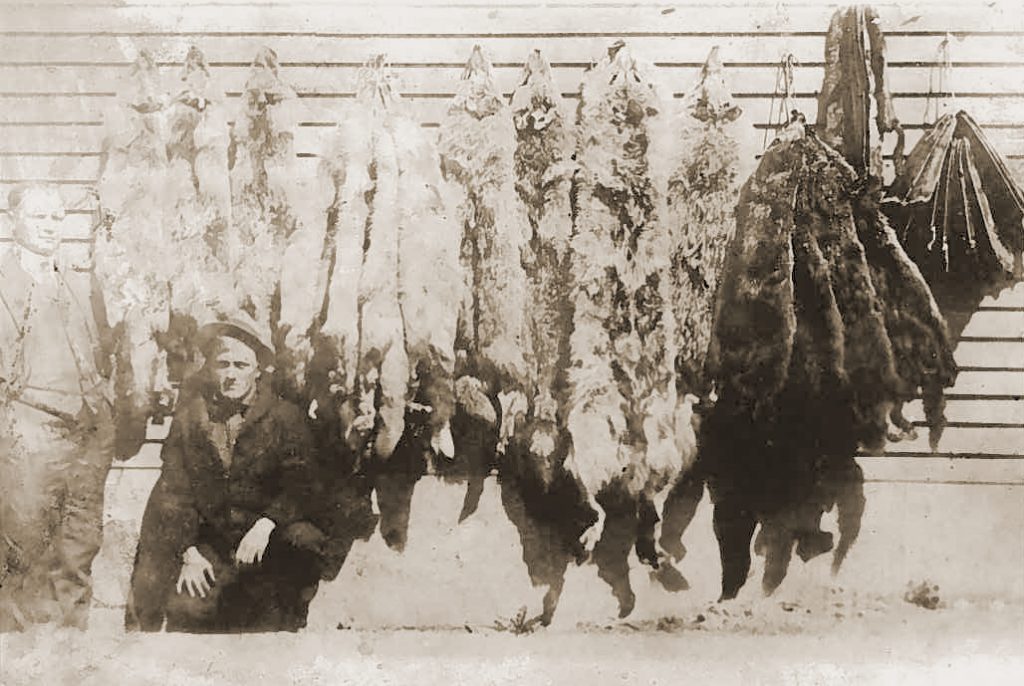
img-Y04223400-0001-2-1024x686.jpg

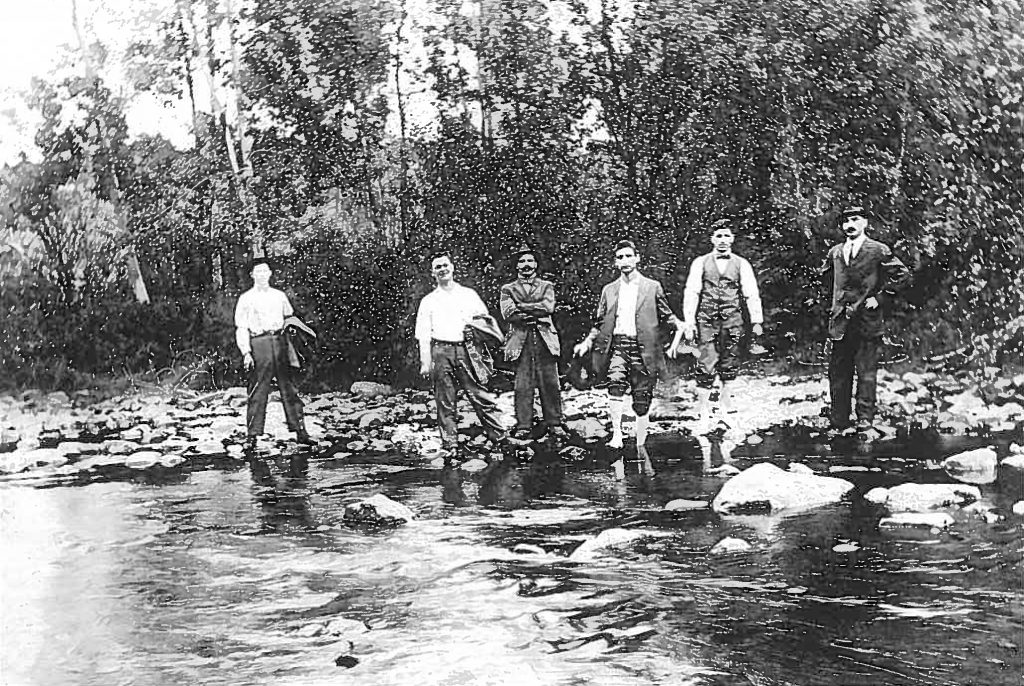
My grandfather, the Titin was his nickname, I never met him but he lives in his memories thanks to family tales. A particular character, an adventurer, he was only a twentieth-century boy when he left Italy.

Embarking in Genoa in search of fortune over the ocean, he did all the mason, the hunter of skins in Canada, and who knows what else. But he always had his head on his Lake Maggiore, where he was born, and he loved his land and its traditions. Having returned to the house with Giuditta, he opened the Bettolino, a trattoria bar in the village, in Angera.

Giuditta is a great cook! Memorable fillets of perch or lavarello, his hare in salmì then ... but with risottos gave all of itself.

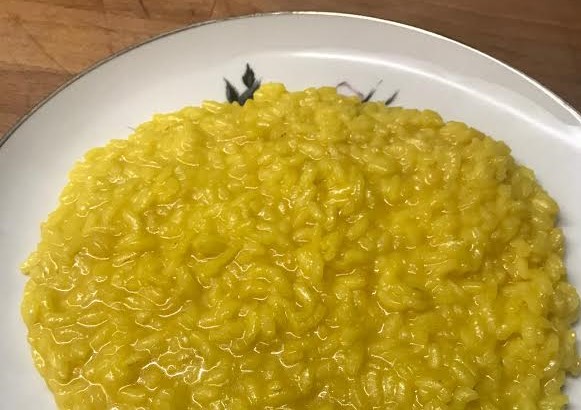
On Sunday, at noon, the world fell, the Milanese risotto was on the table. Delays were not allowed, we did not eat, the smell of saffron is still fixed in my mind.

A simple recipe at first sight very easy, but that hides a thousand pitfalls. One of the few recipes to have a creation date: 1574. It all began with the marriage of a daughter of a glassmaker who worked on the construction of the cathedral, Valerio di Fiandra.

His colleagues added saffron powder, which was used to color glass, to rice. Saffron rice was already known in the Middle Ages but from that marriage it became one of the traditional dishes of Milan.


Recipe of the Milanese risotto

It all starts with the butter that we use to melt the white onion in the pan along with a little 'marrow (the same of ossobuco to be clear) that will give the risotto a very good flavor.

Add the Carnaroli or Vialone Nano rice, both from the area between Milan and Vercelli. Leave the others alone. Let's bring it to light toasting, 1 or two minutes enough, let's blend with the white wine and then add the meat broth! Better if with nerves, vegetarians are not allowed.

Add the broth a ladle at a time and it must always be wet. At ¾ of cooking we put saffron, that of L'Aquila is the best but I tasted a fantastic of Affile in the Simbruini Mountains. Dissolve the pistils in very little warm water, will give the gold color to the risotto.

At the end of cooking, when the fire is off, add a knob of cold butter and Parmesan. We quickly cover and close with the lid for a couple of minutes, then we serve.

It's a dish that does not wait for anyone to be eaten right away and if you go ahead, make us supplì.

The Titin had the vineyard near his Lake, produced a great Bonarda and a screaming Nebbiolo; now someone has picked up the witness, try them!

powered by social2s
Meatballs, the winter dish for the "days of blackbird"

The term ‘days of the blackbird’ comes from an ancient legend that tells that the blackbirds at the beginning were white and January had fun to make it rain and snow every time the blackbird came out of its nest. Then the blackbird took refuge in a fireplace full of ash and from then on it became black.

Tradition has been respected, cold and snow have arrived regularly throughout Italy with embarrassing low temperatures even for my coat. But fortunately there are other ways in which one can heat and restore acceptable body balances.

Nonna Rosa, my Ciociara DOC made broth, is a great weapon against the cold. But also it is one of the dishes from which nothing is thrown away and with boiled meatballs. Extremely amazing meatballs. Because the ingredients were just right and Nonna Rosa was Grandma Rosa.

The history of meatballs is as old as man: some say they are of Persian, Arabic, Armenian origin. Almost all of them tend to the Persian origin where the Kofta (today's meatballs) derive from the ancient koofteh (minced meat).

Apicius, gastronomist and cook of the I-II century thanks to whose books we know the cuisine of Rome, tells us that they were prepared using myrtle and garum, the famous condiment based on fermented fish entrails and salt: a combination that still leaves us wondering.

However, when the Arabs conquered the Persians, they fell in love with meatballs and spread them across Spain and throughout Europe and in Italy (in the version without garum at the time that there was no longer the Roman Empire).

One thing perplexes me: how did they spread throughout the world. From Japan to China, to Vietnam, to every country: every culture has its meatballs and you can find them wherever you go. Is it that meatballs are in the genetics of man? Are they part of his DNA? For me they are the heritage of humanity.

Grandma Rosa's meatballs recipe

The first thing is to boil the meat the day before you want the meatballs, but this is another recipe, because it is just from the top grade boiled meat that this recipe is started.

The second step is to chop the meat adding the breadcrumbs from stale bread, a little parmesan cheese, 1 egg, very little garlic, salt and parsley. Bread is something to be reused to avoid throwing it away and wasting this holy food. The bread is blessed at every mass and handed out in the church on special days like that of Saint Anthony.

From this mixture we make medium-sized balls and lightly squash them. Even Artusi suggests to make them less round to encourage cooking.

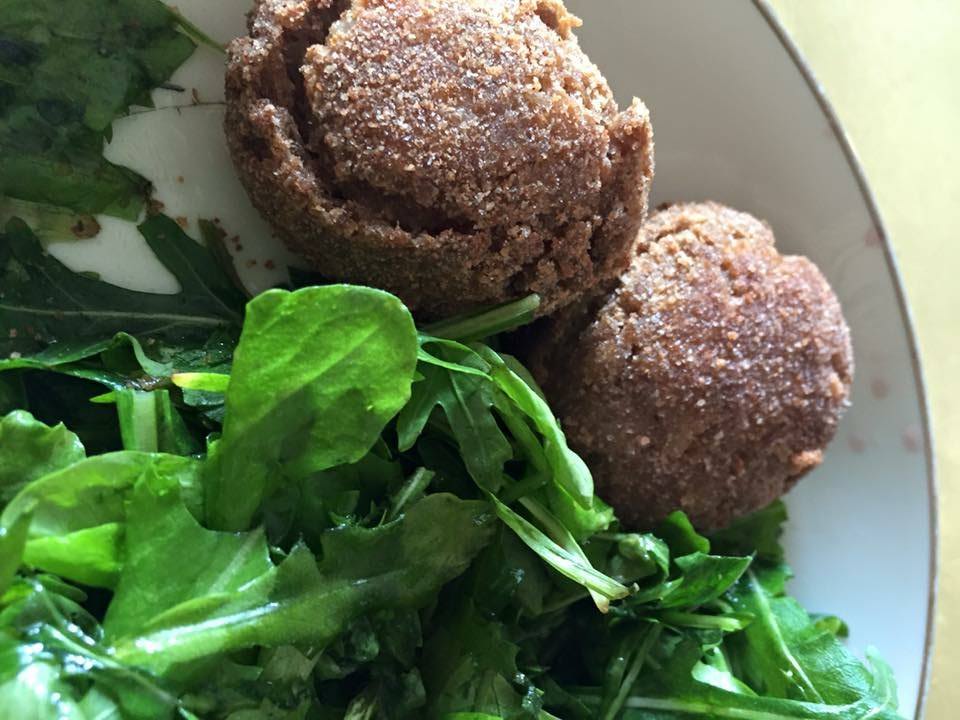
We roll the meatballs first in the egg and then in the breadcrumbs. Now fry them!

Accompany them with a seasoned vegetable. But the real companion is a field salad with vinegar, the real one. Leave the balsamic for the strawberries, this is a strong dish.

In the glass I had a Trebbiano, but a traditional Pilsner beer also does not clash.

powered by social2s
Piemontese beef cheek stew cooked in a pot

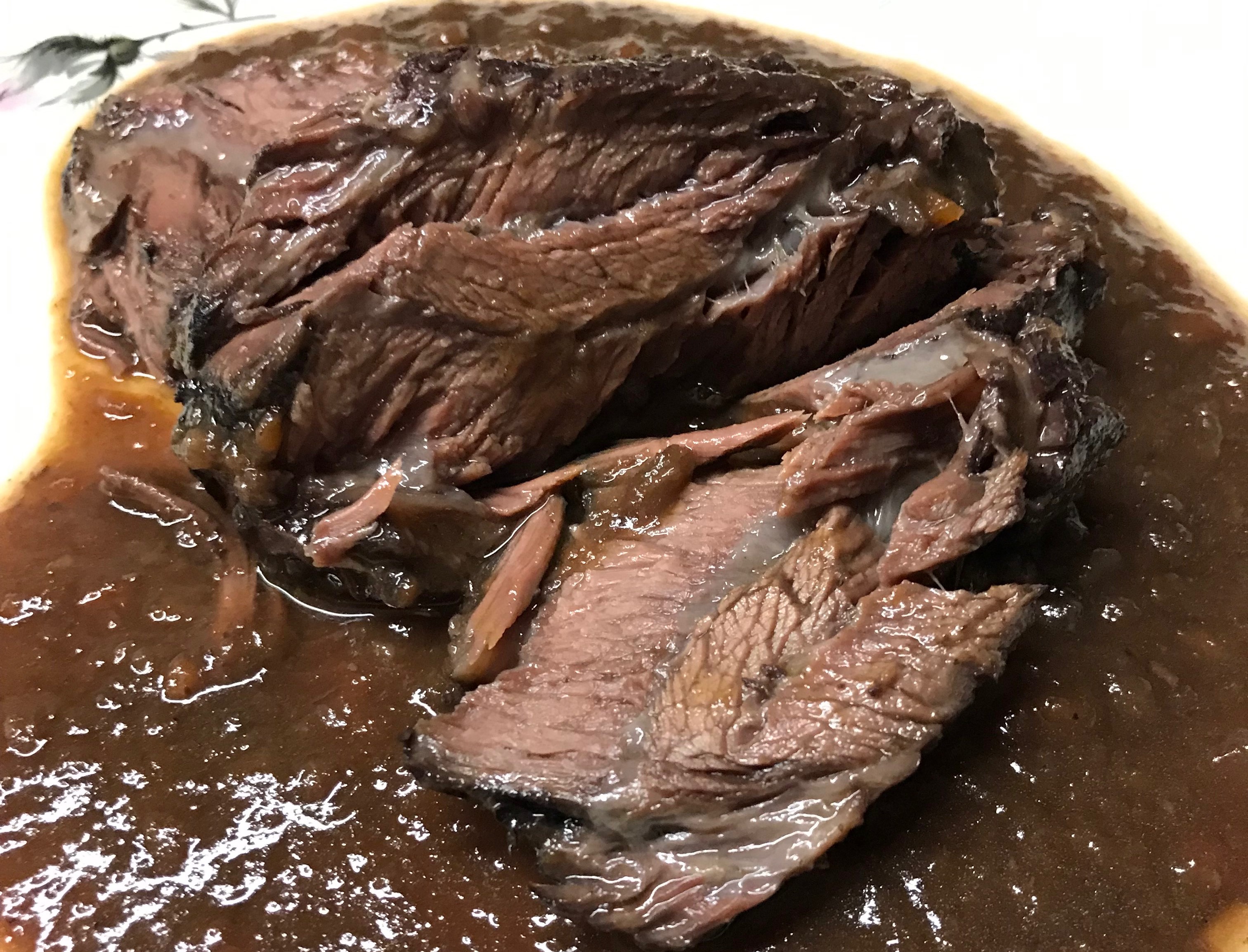
Winter? Cold? Snow? Time for Stracotto (beef stew) and since I want to treat myself well, I prepare a cheek of a Fassona cow in a pot.

Fassona is a breed of Piedmontese cow, raised in the sub-Alpine areas, and is considered one of the best cows in the world. Still it can be recognized grazing with their grandeur and by its whitish colour. It is with love that the breeders have given them the 'Casa della Piemontese' museum in Carrù in the province of Cuneo.

I choose a cheek, a cut of meat little known but one that reveals surprises. It is excellent boiled and stewed that reminds me of my grandmother Giuditta, the soul of the bar "al Bettolino" on the shores of Lake Maggiore, a few dishes every day and a different way for the whole week. Then it started again.

Perhaps I have taken from her the maniacal attention to the product and to the combination of dishes and wine. Good blood does not lie still.

The stew needs slow cooking, patient as the pace of mountain people. The name derives from the fact that it was originally prepared in pots that were left to cook overnight on a stove that was used at the same time both to heat the house and cook. The low cooking temperature below 100 degrees softens the meat and amalgamates the aromas.

Let this cheek  take as long as it wants.

Recipe stew of cheek

Let's start with the choice of meat and we always look for one from local managed farms where you know how the animals were raised and what they ate. We put the meat to marinate for 3-4 hours with wine and herbs: 8 pieces of garlic, 2 cloves, peppercorns, thyme and onion.

The marinade liquid is not reused, but we do not fail to throw in a glass of  wine.

When we are ready and we are sure that the marinade has penetrated the whole piece, let's start. True cooking. Fry the meat over high heat for a couple of minutes to seal the meat and trap the flavours, then add the vegetables (celery, carrot and onion) and let it go on low heat, very low.

Then I go for wine! I chose a Barbera, enough to almost cover it: 2 glasses for half a kilo of meat.

Lower the fire as if it were a candlelight and wait, wait, wait. It is a slow cooking at low temperature like the hours of the night.

It's a king's dish. And the kings are not in a hurry!

Meanwhile, sip the Same wine in the glass.

powered by social2s

Subscribe to Newsletter

Discover a territory through the emotions of the people that have lived it.